
What Color Do Brown and Blue Make? When you mix brown and blue, the result is often a muted, earthy color, grayish-blue, deep teal, or slate color. Depending on the proportions and shades used, it can range from a grayish blue to a more subdued blue-brown tone. For example, using a lighter blue may give you a dusty, neutral shade, while darker blue tones create deeper, more muted hues.
In this guide, we’ll explore the color mixing process, covering how different shades of brown and blue interact, how their ratio affects the result, and how the RYB, RGB, and CMYK models play a role. Whether you’re painting, designing digitally, or printing, you’ll discover how to mix these colors to create the perfect outcome for your artistic projects.
Quick Answer: What Do Brown and Blue Make When Mixed?
Brown + Blue = Deep Teal and Muted and Earth Tone
When you mix brown and blue, the result is typically a muted, earthy tone. Depending on the shade of brown and blue used, this can range from a blue-brown to a slate, grayish-brown, or even teal brown. The final mix depends on the ratio of blue and brown as well as the specific hues involved.

Why Do Brown and Blue Make This Color?
Brown and blue create a neutralized color because brown is a mix of all the primary colors (red, yellow, and blue). Blue, a primary color, when mixed with brown, neutralizes or mutates the result. This is the basis of color mixing in both subtractive and additive color models.
Let’s break it down:
- Brown (which can be created by mixing red and green, for instance) contains a bit of all three primary colors.
- Blue, being a primary color, acts as a cooler tone. When combined with brown, it creates a muted, neutral tone, resulting in a blue-brown or grayish-brown shade depending on the ratio of the colors.

What Happens When You Mix Different Shades of Brown and Blue?
The resulting color from mixing brown and blue will vary significantly depending on the shades and ratios of each color. Lighter shades of brown with blue produce softer grayish brown or slate tones, while deeper, more intense shades of brown combined with blue can create muted teal-brown or chocolate-blue tones.
Here’s a breakdown of how different combinations affect the outcome:
| Brown Shade | Blue Shade | Mixed Color Result |
|---|---|---|
| Light Brown | Sky Blue | Soft Grayish Brown |
| Medium Brown | Royal Blue | Blue-Brown |
| Dark Brown | Navy Blue | Slate Blue |
| Chestnut Brown | Teal Blue | Muted Teal-Brown |
| Beige Brown | Cobalt Blue | Muted Grayish Blue |
| Tan Brown | Pastel Blue | Light Grayish Brown |
| Chocolate Brown | Electric Blue | Vibrant Blue-Brown |
| Burnt Brown | Indigo Blue | Deep Blue-Brown |

How the Ratio of Brown to Blue Affects the Final Color
The ratio of brown to blue plays a huge role in determining the final color. A higher proportion of blue shifts the color to cooler, more muted tones, while more brown gives a warmer, earthy hue. Let’s look at how the proportions impact the outcome:
| Brown % | Blue % | Mixed Color Result |
|---|---|---|
| 100% Brown | 0% Blue | #6A4E23 (Dark Brown) |
| 75% Brown + 25% Blue | 75% Brown + 25% Blue | #5E5B47 (Earthy Brown) |
| 50% Brown + 50% Blue | 50% Brown + 50% Blue | #4B5C4F (Blue-Brown) |
| 25% Brown + 75% Blue | 25% Brown + 75% Blue | #3F5D65 (Slate Blue-Brown) |
| 0% Brown + 100% Blue | 0% Brown + 100% Blue | #0000FF (Blue) |
Explanation:
- More Blue: As you increase the blue, the mix cools down, resulting in muted blue-brown or slate tones.
- More Brown: With more brown, the final result becomes warmer, yielding earthy colors like chocolate brown or earthy blue.
Brown and Blue in Color Theory: RYB, RGB, and CMYK
When combining brown and blue, it’s crucial to understand how these colors behave in different color models like RYB, RGB, and CMYK.
RYB (Red, Yellow, Blue) Color Model:
- In the RYB model, commonly used in painting and traditional color mixing, brown is a mixture of all three primary colors (red, yellow, and blue). Blue, a primary color, when mixed with brown, results in muted, earthy tones like blue-brown or slate.
- The RYB model operates on the principle of subtractive color mixing: adding more colors subtracts light and creates deeper, more muted tones.
RGB (Red, Green, Blue) Color Model:
- In digital media (e.g., screens, digital art), RGB color mixing works differently as it uses additive color mixing, where light is added together. When you mix blue with a brownish color (produced by combining red, yellow, and green), the result often turns into desaturated or washed-out tones, like muted brownish blue or cooler neutral tones.
- RGB is often used in digital paintings, graphic designs, and digital art.
CMYK (Cyan, Magenta, Yellow, Black) Color Model:
- CMYK is commonly used in printing, where brown and blue can produce earthy brownish-gray tones depending on how cyan (blue) and yellow (from brown) interact.
- Mixing blue and brown in CMYK results in desaturated, muted, cool hues, typically used for printing natural or vintage designs.

Mixing Brown and Blue with Other Colors
Mixing brown and blue with other colors opens up new possibilities for creating more complex hues. Here’s how combining these colors with others affects the outcome:
Brown + Blue + Yellow
This combination typically results in an olive or mustard tone, which can add warmth and depth to a piece, making it ideal for creating rustic or earthy designs.
Brown + Blue + Green
When brown, blue, and green are mixed, the result is a deep and earthy tone like forest green or blueish olive. This is perfect for nature-inspired art or creating grounded, natural looks.
Brown + Blue + White
This combination lightens the mix, creating a muted gray or pastel-like tone that is often used for subtle, calming backgrounds in artwork or design.
Brown + Blue + Red
Mixing red with brown and blue creates rich, deep shades like brownish plum or burgundy, perfect for luxurious or bold designs.
Artistic Uses of Brown and Blue Together
In Art:
- Landscapes: Brown and blue work wonderfully for depicting earth and sky, creating a natural look in landscapes or seascapes.
- Abstract Art: These colors help add depth and contrast to abstract pieces, allowing for dynamic yet balanced compositions.
- Seascapes: Brown and blue together evoke earth and sea, perfect for coastal scenes.
In Fashion:
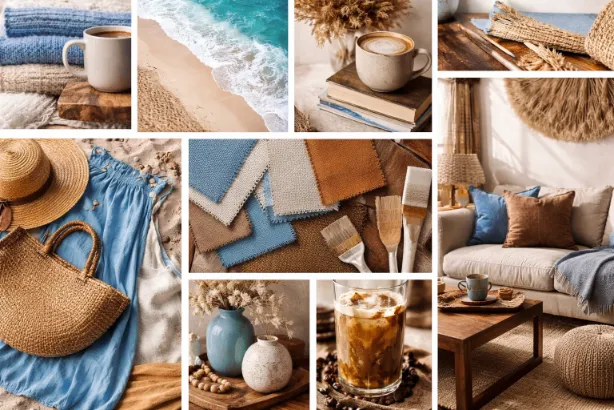
- Bohemian Style: Brown and blue are often paired in earthy, natural fashion, ideal for bohemian or vintage looks.
- Outdoor Wear: These colors evoke comfort and relaxation, perfect for outdoor outfits.
In Interior Design:
- Rustic Themes: The combination of brown and blue is perfect for creating cozy, earthy interiors, often used in rustic and vintage décor.
- Modern Elegance: Mixing blue accents with brown furniture adds sophistication and creates a balanced and contemporary design.
Conclusion
Mixing brown and blue results in a versatile range of muted, earthy tones, from blue-brown to slate, and even muted teal or chocolate blue. By experimenting with different shades and ratios, you can achieve a variety of results to suit your creative needs. Whether you’re working with traditional paint, digital art, or printing, understanding the nuances of this color combination allows you to produce both subtle and rich tones that add depth and complexity to any design.
By mastering the art of mixing these colors and considering the color theory behind them, you can unlock endless possibilities for your artwork, fashion, or interior design projects. Always keep in mind that the balance of brown and blue plays a crucial role in shaping the final outcome—whether you’re aiming for a cooler neutral or a warmer earthy shade.
FAQs – Brown and Blue Color Mixing
What color does brown and blue make when mixed?
Brown and blue typically produce a blue-brown or slate color, often leaning towards muted and earthy tones. The exact result depends on the shades and proportions used.
Can brown and blue make vibrant colors?
Brown and blue usually create muted, earthy tones. To make the mix more vibrant, try adding yellow or red, which can bring warmth or intensity to the color.
How does adding white affect brown and blue?
Adding white lightens the mixture, resulting in a cooler, muted gray or pastel color, depending on the proportions. This can create softer, more subtle hues for backgrounds or light designs.
What happens when I mix brown, blue, and yellow?
Combining brown, blue, and yellow results in earthy, warm tones like olive or mustard. This creates a balanced, natural look suitable for rustic or vintage-inspired designs.
Can I use brown and blue to create a dark color?
Answer: Yes, mixing more blue with dark brown creates deeper, cooler tones like slate or charcoal. This combination is great for adding depth or creating nighttime scenes in art.
What are good complementary colors for brown and blue?
Tan, cream, green, and gold complement brown and blue well, adding balance and contrast to designs.
Can I use brown and blue together in interior design?
Yes, brown and blue are fantastic for creating earthy, relaxed spaces. Use them for rustic or vintage-inspired interiors, or pair them for contemporary, balanced designs.
What happens when I mix brown, blue, and green?
Mixing brown, blue, and green creates a range of deep, earthy tones, such as forest green or olive, making it ideal for nature-themed art or designs.
How do I make brown and blue lighter?
Answer: Adding yellow or white can lighten the mixture. White will give you a softer, more muted tone, while yellow adds warmth to the mix.
Is brown and blue a good color combination for fashion?
Yes, brown and blue together are perfect for creating earthy or vintage-inspired outfits. The combination adds a natural, comfortable vibe and works well in bohemian or casual styles.
What color does brown, blue, and red make?
When red is added to brown and blue, it creates rich tones like brownish plum or burgundy, ideal for making bold or luxurious designs in fashion or art.
Can I mix brown and blue to create a purple tone?
While brown and blue don’t typically create true purple, mixing them can result in a muted, earthy plum or burgundy tone depending on the proportions.