

If you’ve ever wondered, “What color do red and pink make?”, the answer is a vibrant red-pink shade that can range from soft rose to hot magenta, depending on the ratio and shades of red and pink used. Since pink is essentially red with white added, mixing the two usually creates a deeper, richer pink or a lighter, warmer red. This blend results in hues such as raspberry pink, rose, coral, or magenta—essentially a more vibrant version of pink or a less intense red. Increasing the amount of red results in deeper hues like scarlet or crimson, while more pink will give you softer shades like blush or bubblegum pink.
In this guide, we’ll explore the color mixing process, how adjusting the ratio of red to pink affects the result, and how these two colors interact across RYB (Red, Yellow, Blue), RGB (Red, Green, Blue), and CMYK (Cyan, Magenta, Yellow, Black) color models. Whether you’re working with traditional paints or digital designs, you’ll get a clear understanding of how to create the perfect red-pink shade for your creative projects.
Quick Answer: What Do Red and Pink Make When Mixed?
Red + Pink = Shades of reddish-pink, rose pink, or deep magenta
When red and pink are mixed together, the result is typically a vibrant red-pink or rose shade, with the specific tone depending on the ratio of red to pink. A higher proportion of pink creates a softer, more subtle result, like light rose or coral, while a higher proportion of red produces a deeper and richer shade, such as magenta or fuchsia.

Why Do Red and Pink Make This Color?
Both red and pink are closely related colors. Pink is essentially a lighter version of red, created by adding white to red. When you mix these two, you are blending red with itself, often resulting in an amplified red hue that leans toward pink or magenta. The mixture of these two creates a rosy or vibrant red-pink tone, and the intensity of the final color depends on the ratio of red to pink used.
How Does the Ratio Affect the Final Shade?
- More Red: When you use more red, the color will become a deeper and more intense pink, resulting in hues like fuchsia or magenta.
- More Pink: If you add more pink, you will get softer, pastel-like results such as light rose or dusty coral.
What Happens When You Mix Different Shades of Red and Pink?
The outcome when mixing red and pink can vary greatly depending on the shades of the two colors used. Light pink mixed with bright red will create soft and light tones, while dark red with hot pink can result in deep, intense magentas and fuchsias. Here’s a breakdown of how different combinations work:
| Red Shade | Pink Shade | Mixed Color Result |
|---|---|---|
| Bright Red | Light Pink | Rose |
| Scarlet Red | Hot Pink | Vibrant Magenta |
| Crimson Red | Pale Pink | Muted Rose |
| Cherry Red | Baby Pink | Rich Red-Pink |
| Fire Engine Red | Bubblegum Pink | Bold Coral |
| Tomato Red | Blush Pink | Warm Peach |
| Ruby Red | Dusty Pink | Soft Vermilion |
| Dark Red | Neon Pink | Electric Magenta |
Explaining the Results:
- Bright Red + Light Pink creates a soft rose (HEX: #FF7F7F), perfect for light, romantic themes.
- Scarlet Red + Hot Pink results in a vibrant magenta (HEX: #FF33CC), ideal for bold, energetic designs.
- Crimson Red + Pale Pink creates a muted rose (HEX: #D77E89), giving a more subtle, vintage appearance.
The key takeaway is that lighter pinks combined with reds give softer, more pastel results, while bolder reds mixed with vibrant pinks create deep, rich hues.

Color Theory and Models for Red and Pink Mixing
Understanding how red and pink mix requires an exploration of different color models. Each model explains how colors interact in various media, whether in art, design, or digital platforms. Below is a breakdown of RYB, RGB, and CMYK and how these apply to mixing red and pink.
RYB (Red, Yellow, Blue) – Subtractive Color Mixing
The RYB model is primarily used in art and painting, where colors are created by subtracting wavelengths of light. This model is based on the concept of combining primary colors to create secondary and tertiary colors.
- Primary Colors: Red, Yellow, Blue
- Secondary Colors: Green (yellow + blue), Orange (red + yellow), Purple (red + blue)
When red and pink are mixed using the RYB model, you’re essentially working with red (a primary color) and pink, which is a lighter form of red created by adding white. This results in a red-pink tone that is brighter or softer depending on the amount of red versus pink used.
- Mixing Red + Pink (in RYB): Results in a vibrant red-pink color, which could lean towards a soft rose or more intense magenta depending on the amount of red added.
RGB (Red, Green, Blue) – Additive Color Mixing
The RGB color model is used primarily in digital media, such as on computer screens, TVs, and any device that uses light to create colors. In this model, colors are created by adding different amounts of red, green, and blue light.
- Primary Colors: Red, Green, Blue
- Secondary Colors: Cyan (green + blue), Magenta (red + blue), Yellow (red + green)
When red and pink are mixed in the RGB model, the results are generally brighter and more vibrant because both are additive colors. Since pink is already a combination of red and white, mixing red and pink in RGB will amplify the red tones, leading to a magenta or purple-pink result.
- Mixing Red + Pink (in RGB): You will typically end up with a magenta or bright purple-pink result, as both colors contain a significant amount of red.
CMYK (Cyan, Magenta, Yellow, Black) – Subtractive Color Mixing
The CMYK color model is used for printing and is based on subtractive color mixing. This model works by layering inks to subtract the wavelengths of light, and it is the opposite of the RGB model.
- Primary Colors: Cyan, Magenta, Yellow
- Secondary Colors: Red (magenta + yellow), Green (cyan + yellow), Blue (cyan + magenta)
When mixing red and pink using CMYK, the process is more about how magenta (which is a component of pink) interacts with other colors. Since magenta is already in pink, adding red enhances the magenta tones. This results in a more intense red-pink or fuchsia.
- Mixing Red + Pink (in CMYK): This will often result in a rich red-pink or fuchsia color depending on the ink saturation used.
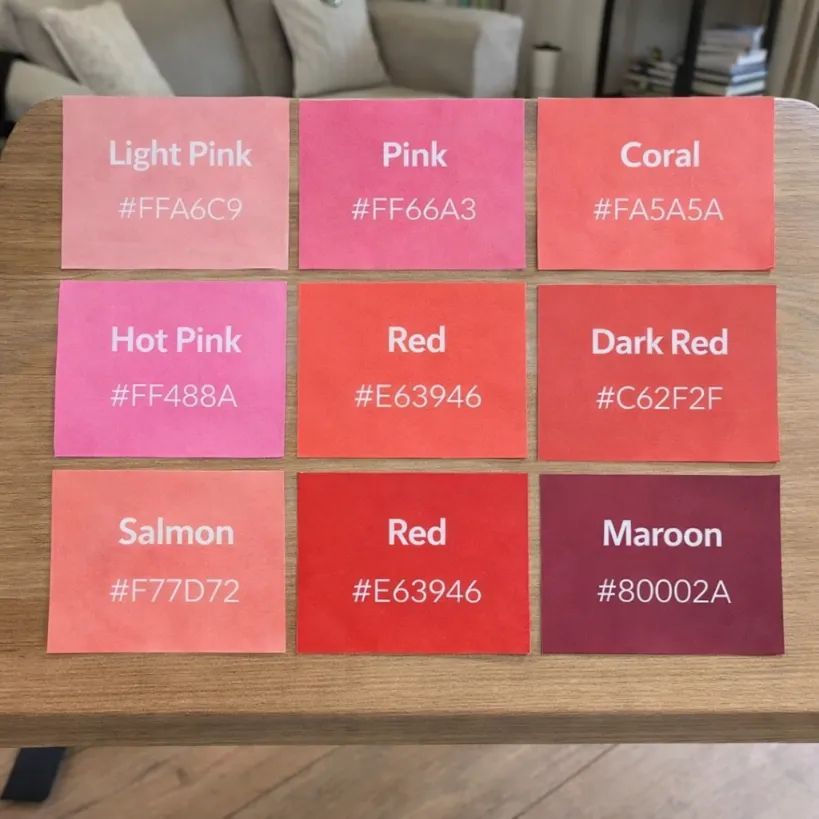
How the Ratio of Red to Pink Affects the Final Color
The proportion of red and pink you use significantly affects the vibrancy and warmth of the final result. Here’s how changing the ratio of red and pink alters the color:
| Red % | Pink % | Mixed Color Result |
|---|---|---|
| 100% Red | 0% Pink | #FF0000 (True Red) |
| 75% Red | 25% Pink | #FF4D4D (Bright Red-Pink) |
| 50% Red | 50% Pink | #FF7F7F (Rose) |
| 25% Red | 75% Pink | #FFB3B3 (Soft Coral) |
| 0% Red | 100% Pink | #FFC0CB (Light Pink) |
Explanation of the Results:
- More Red results in a warmer, more intense pink, like bright red-pink or fiery magenta.
- More Pink softens the mix, producing pastel shades like light rose or dusty coral, perfect for a subtle or gentle effect.
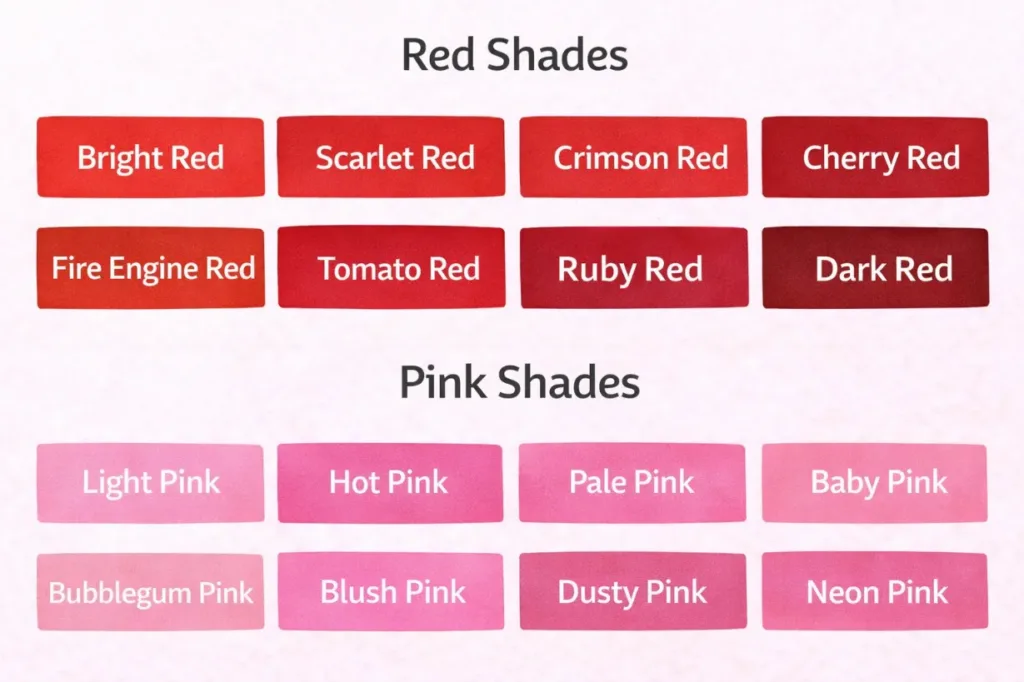
Mixing Red and Pink with Other Colors
When you mix red and pink with other colors, you can expand the range of shades you create. Below is a breakdown of how red and pink interact with other colors:
Red + Pink + Yellow
Adding yellow to red and pink creates a warmer, more golden orange shade, often producing a peachy pink or warm coral. This combination is perfect for creating energetic, vibrant designs.
Red + Pink + Blue
When blue is introduced to the mix, it cools down the warm tones of red and pink, resulting in magenta or purple-pink. This combination is ideal for creating bold, vibrant tones in graphic designs or fashion.
Red + Pink + White
Adding white to red and pink softens the mix, producing a pastel version of the color, such as light peach or blush pink. This is perfect for creating soft, romantic themes in interior design or bridal fashion.
Red + Pink + Black
When black is added to red and pink, you get deeper, darker shades like burgundy, fuchsia, or rich red-pink. The black adds depth and intensity, making the color more dramatic and moody.
Red + Pink + Purple
Mixing purple with red and pink produces vivid magentas, violets, or plum tones. This combination works well for bold, luxurious color schemes in fashion and artwork.
Artistic Uses of Red and Pink Together
The combination of red and pink is widely used across art, fashion, and interior design due to its boldness and versatility.
In Art:
- Portraits: Use red and pink for creating vibrant skin tones, adding warmth and richness.
- Abstract Art: Red and pink can create dynamic contrast and energy in abstract pieces.
- Floral Art: These colors are perfect for flowers or nature-inspired art.
In Fashion:
- Bold Looks: Red-pink combinations are popular in high-fashion collections for a statement.
- Romantic Styles: Softened mixes like rose or coral are used in wedding dresses and romantic outfits.
In Interior Design:
- Energizing Rooms: Use bright red-pink tones in living rooms or offices for a vibrant, energetic environment.
- Soothing Touches: Softer pink-red mixes are great for creating warm, welcoming spaces in bedrooms or bathrooms.
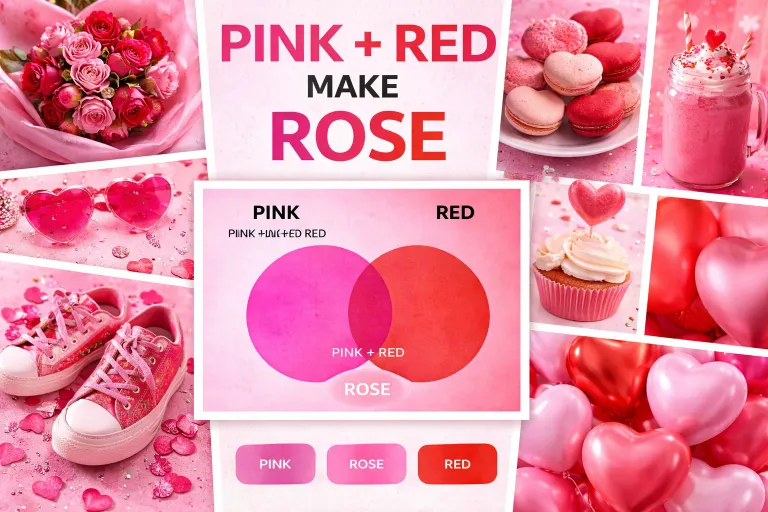
Conclusion
Mixing red and pink opens up a world of vibrant possibilities, from soft rose shades to deep, rich magenta tones. The final color depends on the ratio of red to pink, allowing for flexibility in creating both subtle pastels and bold, energetic hues. Whether you’re working with traditional paint, digital design, or print, understanding how these colors interact through different color models like RYB, RGB, and CMYK is essential for achieving the desired outcome.
By experimenting with various shades and proportions, you can achieve a wide range of effects, making red and pink an incredibly versatile combination in art, fashion, and interior design. This guide provides you with all the tools and knowledge to confidently mix red and pink, whether you’re creating a soft look or a vibrant statement. Now, you can harness the full potential of these colors to elevate your creative projects.

FAQs – Red and Pink Color Mixing
What color do red and pink make when mixed?
Answer: Red and pink create a vibrant red-pink or rose color, with variations based on the ratio.
Can I create a vibrant pink with red and pink?
Yes, combining more red with pink creates a bold, vibrant magenta or fuchsia.
How does adding white affect red and pink?
Adding white softens the mix, creating light peach or blush pink.
What colors can I mix with red and pink to create a softer shade?
Mixing white or yellow will give you softer, pastel-like results such as peachy pink or golden lavender.
How do I make red and pink darker?
Adding black to the mix results in deeper tones like burgundy or fuchsia.
Can I create purple with red and pink?
Yes, adding purple to red and pink gives you magenta or violet shades.
What’s the best use of red and pink in fashion?
Red and pink are great for bold, energetic outfits or romantic designs.
How can I make a pastel version of red and pink?
Adding white makes the mixture softer, creating pastel peach or blush tones.
What happens when I mix red, pink, and purple?
The mix creates vivid magentas or plum shades, perfect for luxurious designs.
Can red and pink make a soft color for a nursery?
Yes, soft pink and red create gentle, warm tones perfect for a nursery.
Can I create coral from red and pink?
Yes, adding a little more pink to red can create a vibrant coral.
Is it possible to make maroon from red and pink?
Adding more red will deepen the mix, creating maroon or burgundy shades.