
What Color Does Blue and Black Make? Mixing colors can lead to some surprising results, and when you combine blue and black, the outcome is often a rich and deep tone of blue that can be used for a variety of creative purposes. Rather than producing a bright or vibrant color, this combination creates shades of dark blue, ranging from navy to charcoal blue. Whether you are working with paint, digital design, or fashion, the combination of blue and black creates a versatile palette that evokes sophistication, depth, and mood.
In this guide, we’ll explore the science behind mixing blue and black, common shades created from this combination, how mixing blue and black with other colors affects the result, and how to use these colors in design, art, and fashion.
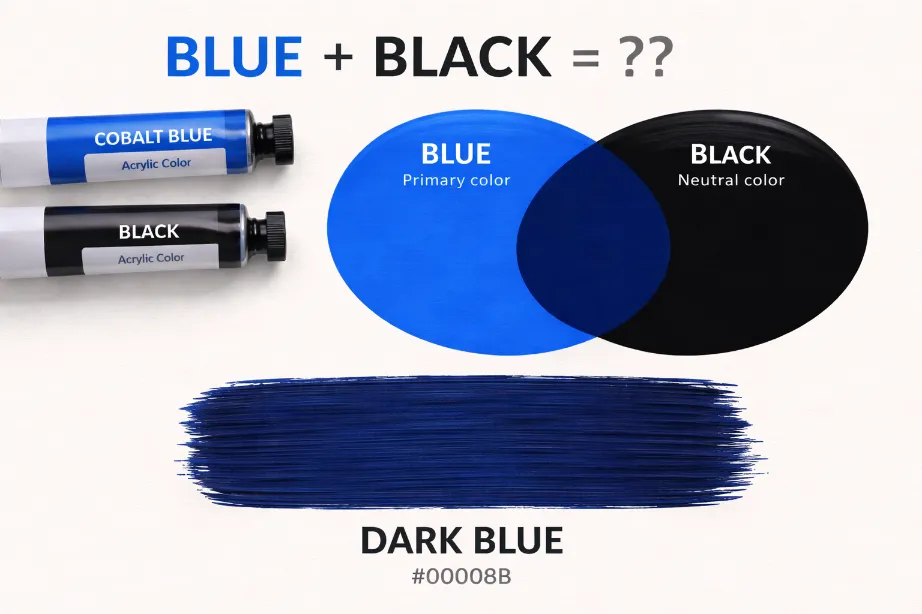
Quick Answer: What Color Do Blue and Black Make?
Blue + Black = Navy Blue, Charcoal Blue, Midnight Blue, Slate Blue, Stormy Blue
When blue and black are mixed, the result is typically a dark blue, but it can vary depending on the proportions of each color. If you mix equal parts of blue and black, you will usually end up with navy blue — a classic and elegant dark blue. If there’s more black than blue, you may get a charcoal blue or a blackish blue, which tends to look almost like black under certain lighting conditions.
The resulting color is usually a muted, deep tone, perfect for creating a dramatic, sophisticated look. This color is widely used in various creative fields, from fashion and interior design to graphic design and illustration.

The Science Behind Mixing Blue and Black
Subtractive Color Mixing (Paint & Pigments)
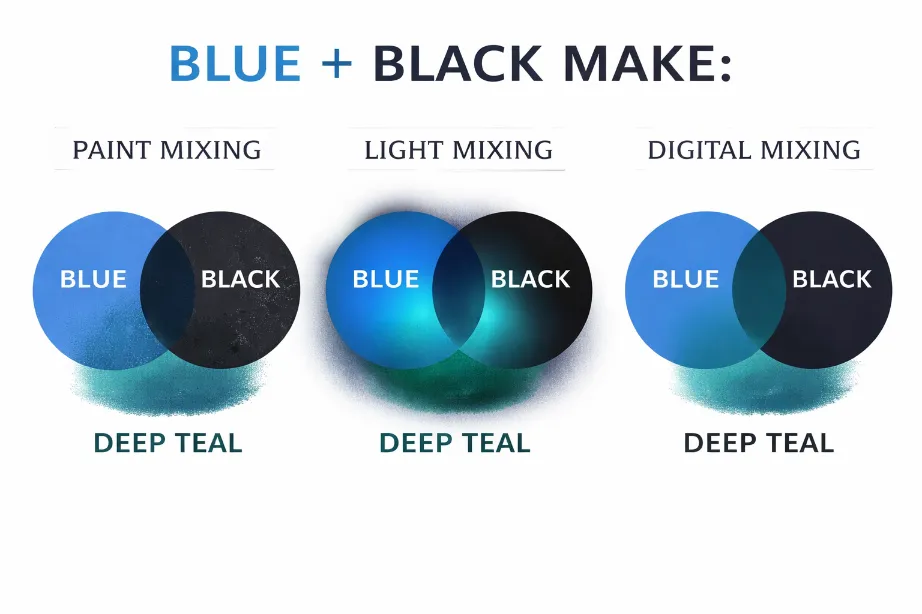
When mixing paints or physical pigments, we are working with subtractive color mixing. This means that colors absorb (subtract) certain wavelengths of light while reflecting others. As more pigments are added, the light is absorbed more, and the resulting color becomes darker and less vibrant.
- Blue, a primary color, absorbs other wavelengths and reflects blue light. It’s typically a vibrant color with a significant degree of saturation.
- Black is not a color on its own, but rather the absence of color. It absorbs almost all light and reduces the brightness of any color it’s mixed with.
When you mix blue and black, the black pigment absorbs the light, darkening the vibrancy of the blue. This creates a darker, muted shade of blue. If there’s more blue than black, the final result will lean more toward a deep blue, such as navy. If there’s more black, the color may appear closer to charcoal blue or even blackened blue, especially in low light.
Additive Color Mixing (Digital / Light)
When working with digital colors (such as on screens or digital art), the process follows the additive color model (RGB), where colors are created by combining light rather than pigment. In this model, blue is one of the primary colors, and black is the absence of all light.
When you combine blue and black in digital mediums, the outcome will be similar to physical mixing but with some differences. Instead of getting a muted, dark tone like in paint, the result may appear as a darkened blue or desaturated blue depending on the amount of blue and black used. The more blue you add, the more vibrant the digital color will be, but the presence of black will still make it appear darker and less saturated.
This process can lead to a range of dark blues, including midnight blue, charcoal blue, and even deep indigo, which is perfect for use in digital artwork or web design when you need moody, elegant tones.
Common Shades Created When Mixing Blue and Black
The beauty of mixing blue and black lies in the wide range of dark, muted blues it can produce. Depending on the ratio of each color, the result can range from a classic navy blue to an almost blackish tone. Here are some of the common shades that can be created when mixing blue and black:
1. Navy Blue
Navy blue is one of the most recognizable shades of dark blue created by mixing blue and black. It is a classic, sophisticated shade used extensively in fashion and interior design. Navy blue is rich and deep, making it perfect for creating elegant, timeless looks.
- Result: A rich, deep blue that is dark but still has a blue undertone.
- Use in: Business suits, formal attire, home décor, and corporate branding.
2. Charcoal Blue
When you add a little more black than blue, you end up with charcoal blue, a more muted, grayish blue. This tone is ideal for designs that need a neutral, industrial feel. It’s less intense than navy blue, making it perfect for modern interiors or graphic design where you want a subtle, muted background.
- Result: A grayish blue that is muted and neutral.
- Use in: Industrial interiors, graphic design, and corporate logos.
3. Midnight Blue
Midnight blue is a very dark, almost blackened blue shade that has a deep and luxurious feel. It is often used in formal settings, such as evening wear or luxury interiors, where a bold but elegant color is needed.
- Result: A dark blue with almost black undertones, creating a rich and luxurious appearance.
- Use in: Evening gowns, formal wear, luxury interiors, and nighttime events.
4. Slate Blue
Slate blue is a blue-gray color that results from mixing blue and black with a touch of gray. It has a slightly cooler tone, perfect for calming, subtle designs. It’s great for creating modern, minimalist spaces or designs that need a more muted and contemporary blue.
- Result: A grayish blue that’s perfect for calming, neutral designs.
- Use in: Minimalist interiors, modern fashion, and contemporary art.
5. Storm Blue
Storm blue has a slightly earthy or stormy feel to it. This color is darker and more muted than typical blues, often used in designs that want to evoke moody, dramatic atmospheres. It’s perfect for outdoor-themed designs or vintage-inspired artworks.
- Result: A dark, muted blue that’s ideal for dramatic, moody designs.
- Use in: Outdoor clothing, stormy art, and dramatic interiors.
6. Blackened Indigo
When black is mixed with indigo blue, the result is a blackened indigo or very deep blue with a slightly purple undertone. It’s a color that adds a rich, regal look to any design and is often used for luxury goods or bold art.
- Result: A deep, purple-toned dark blue.
- Use in: Luxury branding, elegant fashion, and bold graphic design.
Below is a table showcasing the common shades created when mixing blue and black.
| Shade of Blue | Shade of Black | Result |
|---|---|---|
| Navy Blue | Black | Navy Blue |
| Blue | More Black | Charcoal Blue |
| Blue | More Black | Midnight Blue |
| Slate Blue | Black | Slate Blue |
| Storm Blue | Black | Storm Blue |
| Indigo Blue | Black | Blackened Indigo |
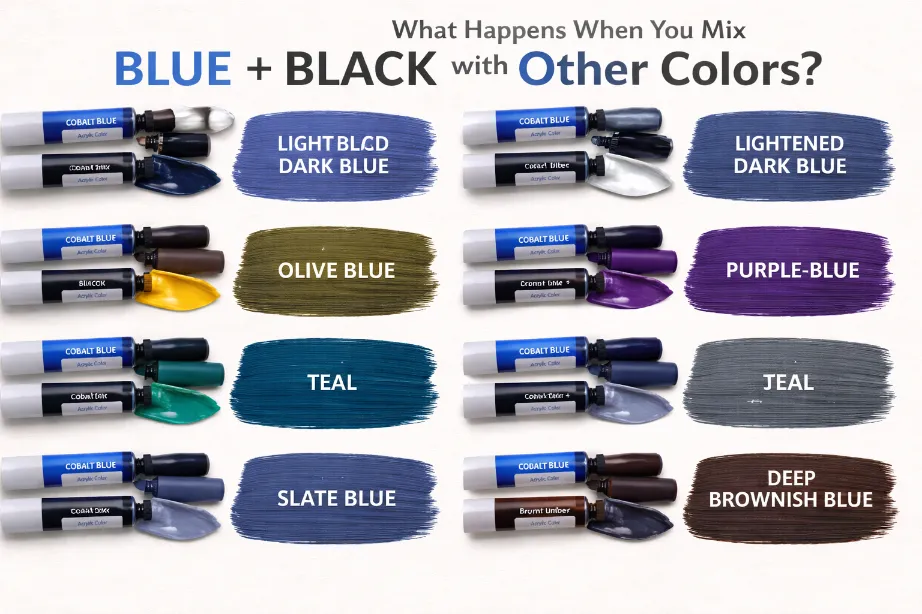
What Happens When You Mix Blue and Black with Other Colors?
Adding other colors to the mix of blue and black can create some unique, beautiful shades. These combinations allow for greater creativity and help you achieve specific tones that work well in art, design, and fashion. Here are 6 colors you can mix with blue and black to create new, exciting shades:
1. Blue + Black + White = Lightened Dark Blue
When you mix white with blue and black, the result is a lighter version of dark blue. This combination can create a softer, more muted navy or dusty slate, perfect for adding a subtle contrast in interior design or fashion.
- Result: A dusty navy or lightened dark blue.
- Use in: Interior design, subtle fashion, or vintage designs.
2. Blue + Black + Yellow = Olive Blue
Adding yellow to the mix creates a more earthy tone, transforming the blue-black mixture into a greenish blue or olive-toned blue. This combination is great for natural or organic designs where you want a muted blue with a bit of warmth.
- Result: A dark, olive-toned blue.
- Use in: Eco-friendly branding, outdoor-themed designs, or earthy interior decor.
3. Blue + Black + Red = Purple-Blue
When red is added to the mix, the result can be a purple-tinged blue, which often looks like a deep violet or royal purple. This combination can evoke a sense of luxury or regality, often used in high-end fashion or bold artistic pieces.
- Result: A dark purple-blue.
- Use in: Luxury branding, evening wear, or artistic illustrations.
4. Blue + Black + Green = Teal
Adding green to blue and black will result in a dark teal or blue-green shade. This combination is great for creating sea-inspired or tropical designs. It’s perfect when you want to evoke calmness and serenity in your designs, but with a deeper tone.
- Result: A dark teal or blue-green.
- Use in: Tropical design, sea-inspired décor, or calming fashion.
5. Blue + Black + Gray = Slate Blue
Mixing gray with blue and black results in a slate blue — a beautiful grayish blue with a cool tone. This is ideal for modern and industrial designs. It gives off a neutral vibe while still retaining a bit of blue to keep it visually interesting.
- Result: A muted, grayish blue.
- Use in: Industrial-style interiors, modern clothing, or minimalist art.
6. Blue + Black + Brown = Deep Brownish Blue
When brown is mixed with blue and black, the result is a dark brownish blue shade. This color has an earthy, natural feel and is great for creating warm, earth-toned designs. It’s perfect for rustic or bohemian styles where you want to add depth and richness without using pure black or brown.
- Result: A dark, brownish blue.
- Use in: Rustic interiors, earth-toned fashion, or boho-style designs.
Using Blue and Black in Design
Fashion
The combination of blue and black is widely used in fashion to create elegant, sophisticated looks. Navy blue, midnight blue, and other dark blue shades are great choices for formal wear or business attire. These colors add a sense of class and refinement to any outfit.
- Examples:
- Navy blue suits or midnight blue dresses for formal events.
- Charcoal blue accessories paired with a black outfit for a subtle yet classy look.
Interior Design
Blue and black are also popular in interior design due to their ability to create a luxurious, moody, or dramatic atmosphere. Dark blue walls, paired with black furniture, create a sense of elegance and sophistication, while maintaining a bold aesthetic. These colors are perfect for bedrooms, living rooms, and office spaces that need a touch of class and refinement.
- Examples:
- Midnight blue walls paired with black leather sofas to create a luxurious living room.
- Slate blue curtains combined with black wood accents for a modern office.
Branding & Packaging
In branding, blue and black are often used to convey trust, professionalism, and luxury. Navy and midnight blue are often seen in corporate logos, luxury packaging, and premium products. These colors help brands project an image of reliability and elegance.
- Examples:
- Black and navy blue logos for luxury fashion brands.
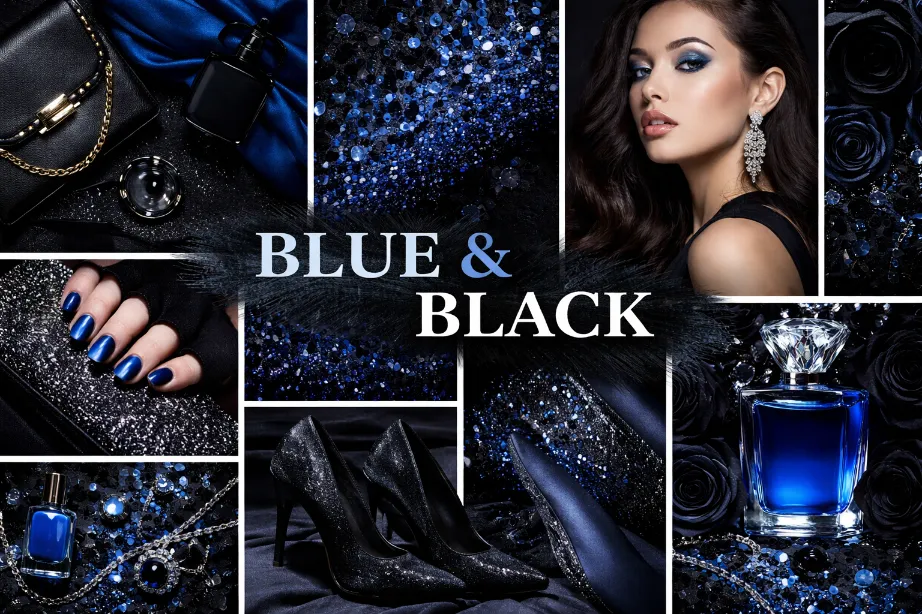
- Midnight blue packaging for high-end products like perfume or cosmetics.
Tips for Mixing Blue and Black in Paint or Digital Art
Start Small
When mixing blue and black, always start with a small amount of black and gradually add more. Since black is a very dominant color, it’s easy to accidentally overwhelm the blue and end up with a color that’s too dark or muddy. Start with less black, then mix until you reach the desired shade.
Adjust with White or Black
- Add white to lighten the blue and black mix if you want a softer or muted shade of blue.
- Use more black to deepen the color if you want a darker, more dramatic blue.
Test Under Different Lighting Conditions
Colors look different depending on the lighting in which they’re viewed. Blue can appear more vibrant in natural light, while black might make the color appear more muted under artificial light. Be sure to test your color mix in the lighting conditions where it will be used.
Use High-Quality Materials
Whether you’re using paints, digital tools, or fabric dye, high-quality materials will give you the best results. Cheap paints or tools can lead to inconsistent color mixing or poor color representation on screens. Always ensure you’re using good quality materials to get the desired outcome.
Real‑Life Examples of Blue and Black in Design, Art & Fashion
Fashion
- Navy blue blazers, midnight blue dresses, or charcoal blue scarves all add sophistication and elegance to any wardrobe. These colors are often seen in business or evening wear, where the goal is to look classy yet still make a bold statement.
Interior Design
- Blue and black can be used in living rooms, offices, and bedrooms to create a luxurious, timeless atmosphere. Dark blue walls with black accents add a sense of opulence, while using these colors in accents like throw pillows or rugs can give your space a modern, sleek feel.
Art & Illustration
- In art, blue and black can create depth and mood, especially in abstract or minimalist art. Mixing blue and black with other colors like white, gray, or red allows for a more dynamic and intriguing color palette that can evoke strong emotions in viewers.
Common Mistakes to Avoid When Mixing Blue and Black
While mixing blue and black can lead to beautiful, dramatic colors, there are a few common mistakes that can make your results less than ideal. Understanding these pitfalls will help you achieve the perfect shade every time.
1. Using Too Much Black
One of the most common mistakes when mixing blue and black is adding too much black. Black is a dominant color, and because of this, it can easily overwhelm the blue and turn the mixture into something that’s almost black with a hint of blue. This can result in a color that’s too dark and flat, losing the depth and vibrancy of blue.
- Solution: Start with small amounts of black and gradually mix in more if needed. If you add too much black, it’s difficult to correct, so it’s best to go slowly and check the color often.
2. Not Testing the Mix
It’s important to test your mix before committing it to a larger project. Blue and black can look very different on a small palette versus a larger application, whether it’s on canvas, a digital screen, or in an interior space. Without testing, you might end up with a color that’s too dark or not what you envisioned.
- Solution: Test the color on a small area, or use a sample piece of paper or canvas to see how the mix looks in the intended space or medium. For digital designs, check how the color looks on different screens and in different lighting.
3. Forgetting Undertones
Both blue and black have undertones that can affect the final color. Blue can have either a cool (greenish or violet) or warm (red) undertone, and black can also vary, with some blacks having a cool, blueish undertone or a warm, brownish undertone. If these undertones aren’t considered, the final result might not match the desired hue.
- Solution: Pay attention to the undertones of both colors. If you want a cooler, more blueish result, choose a cool-toned blue and a cool black. If you’re aiming for a warmer, richer color, consider using warm-toned blue and warm black.
4. Ignoring Proportions
Getting the right proportion of blue to black is key to achieving the desired result. Too much blue, and you’ll end up with a color that’s too vibrant and not dark enough. Too much black, and you’ll create a color that’s too muted or flat. The right balance is necessary for the best outcome.
- Solution: Start with more blue than black, and gradually add black in small amounts to darken the tone. Adjusting proportions will help you fine-tune the color to the exact shade you’re aiming for.
Conclusion
When mixing blue and black, the resulting color is typically a dark blue, ranging from navy blue to charcoal blue to even midnight blue. This combination creates elegant, dramatic, and sophisticated shades that work well in a variety of fields, from fashion to interior design to branding.
By understanding the science behind the mix, being mindful of the proportions and undertones, and testing your colors before applying them, you can achieve the perfect dark blue for your design, fashion, or art project. Whether you’re going for a deep midnight blue or a more neutral charcoal blue, this simple yet powerful mix can create a wide range of moods and styles.
FAQs
What color do blue and black make when mixed?
When blue and black are mixed, the result is typically a dark blue, ranging from navy blue to charcoal blue depending on the amount of each color used.
Can blue and black make other colors?
Yes, by adding other colors like yellow, red, or green, blue and black can create olive blue, purple-blue, or teal.
How do I make blue and black mix more vibrant?
Add more blue to the mix to keep the color more vibrant and true to its blue hue.
Does blue and black result in a dark color?
Yes, mixing blue and black usually results in a dark, muted blue, often called navy, midnight, or charcoal blue.
Can I lighten the blue and black mix?
Yes, you can lighten the mix by adding white to create a lighter version, such as slate blue or dusty navy.
What happens when I mix blue, black, and white?
Adding white lightens the blue and black mix, creating a muted navy or dusty blue.
Can I create a more vibrant blue with blue and black?
Yes, by adding less black and more blue, you can retain a brighter and more vibrant blue.
Is midnight blue the same as navy?
Midnight blue is darker and closer to black compared to navy blue, which has a more distinct blue undertone.
Is blue and black used in interior design?
Yes, navy blue and charcoal blue are often used in luxurious and sophisticated interior designs.
What is the difference between navy and charcoal blue?
Navy blue is a classic, deep blue, while charcoal blue has a more grayish, muted tone.
How do I create teal with blue and black?
Mix blue and black, then add a small amount of green to create a dark teal or blue-green shade.
Can I use blue and black for casual wear?
Yes, charcoal blue and slate blue are great for creating cool, casual outfits with a modern look.