
What color does Red and Black Make? When you mix red and black paint, the result isn’t as vibrant or bright as you might expect. Instead of creating something like a bold red or vivid new shade, you often get deep, muted tones such as burgundy, maroon, or dark brown. Mixing red with black might not yield the lively new color you expect, but it offers a range of earthy, dramatic shades that are highly valued in art, design, and fashion.
This guide will help you explore what happens when you mix red and black, why the results turn out the way they do, and how these colors are used in various creative fields. Let’s dive into the science behind the mix and see what practical uses it has in real-world applications.
Quick Answe: What Does Red and Black Make?
Red + Black = Darker, Muted Shades
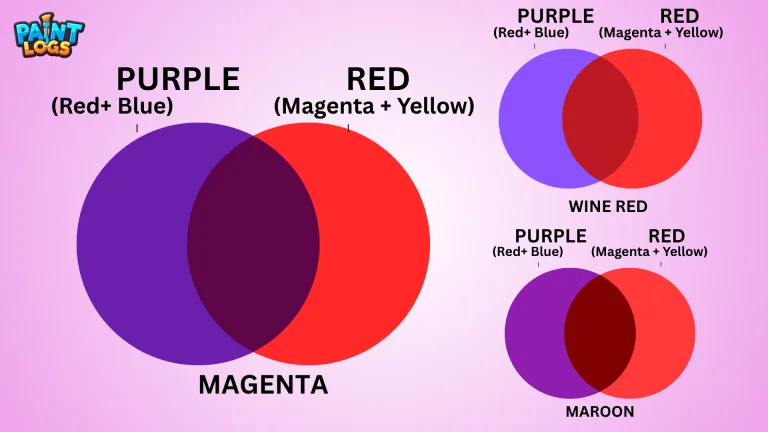
Mixing red and black paint creates a range of dark red shades, including maroon, burgundy, merlot, and deep chocolate brown. The result is a rich, dramatic color that’s commonly associated with sophistication and depth.
Maroon is the most fitting name for the dark red shade, though if you introduce a little purple or blue into the mix, you get colors closer to burgundy or merlot. These wine-inspired tones are distinct but share the deep richness of dark red.
Want to experiment with your own red and black mixes? Try our Color Mixing Tool to see the results instantly!
Color Mixing Tool — Mix Colors Online | Free Color Mixer
#0000000 0 00deg 0% 0%Why Do Red and Black Make Darker Tones?
The reason red and black create dark, muted tones comes down to color theory. Red is a vibrant primary color, and when it’s mixed with black, which is a neutral tone, it results in a darker, more subdued version of red. Black neutralizes the brightness and intensity of red, pulling the final color toward deeper, earthier shades like burgundy, maroon, or brown. The more black you add, the darker and more neutral the outcome becomes.
This happens due to the way subtractive color mixing works in paints. In this model, adding black to any color will absorb light and create a more muted tone. So, red and black together tend to give off earthy, rich hues instead of bright, vibrant results. Understanding this process can help you mix these colors with precision and intention in your art projects.

How Different Shades of Red and Black Affect the Result
The specific shade of red and black you use can significantly change the outcome. Different red shades (like scarlet, crimson, or rose red) produce varying tones when mixed with black. Additionally, the type of black pigment—whether it’s deep and rich or more transparent—also plays a role in the resulting color.
1. Dark Burgundy
A cooler, deeper shade of red mixed with black results in a rich, sophisticated burgundy. This shade is perfect for formal designs and is commonly used in luxury fashion.
- HEX Code: #800020
2. Maroon
Mixing classic deep red with black leads to maroon, a warm tone often associated with fall fashion and elegant interior décor.
- HEX Code: #800000
3. Deep Crimson
When mixing a more intense, bluish-red with black, you get a deeper, slightly cooler crimson that adds vibrancy to artistic works.
- HEX Code: #9E1B32
4. Dark Brown-Red
Adding more black results in a muted, earthy tone that resembles rich soil or weathered leather. This shade is often used in rustic designs.
- HEX Code: #4B1F1A
5. Deep Plum
A mix of red and black can also create a deep plum shade, giving off a dramatic effect, perfect for artistic and fashion designs that require mood and depth.
- HEX Code: #580F41
6. Wine Red
The combination of red and black creates wine red, a luxurious and elegant tone often used in upscale brands and formal wear.
- HEX Code: #9B111E
7. Charcoal Red
When more black is added, the result becomes almost black with a subtle red undertone, known as charcoal red, perfect for high-contrast work or dramatic fashion pieces.
- HEX Code: #2F1B1A

Paint vs. Light: Does It Change the Mixed Color?
The result of mixing red and black depends on the medium you’re working with—paint or light.
Subtractive Mixing (Paint)
When mixing red and black in paint, you’re using the subtractive color model. The result will be earthy tones like brown, burgundy, and plum. In paint, more black gives you a darker, richer tone. As pigments absorb light, they create a muted effect, leading to the color deepening rather than brightening.
Additive Mixing (Light)
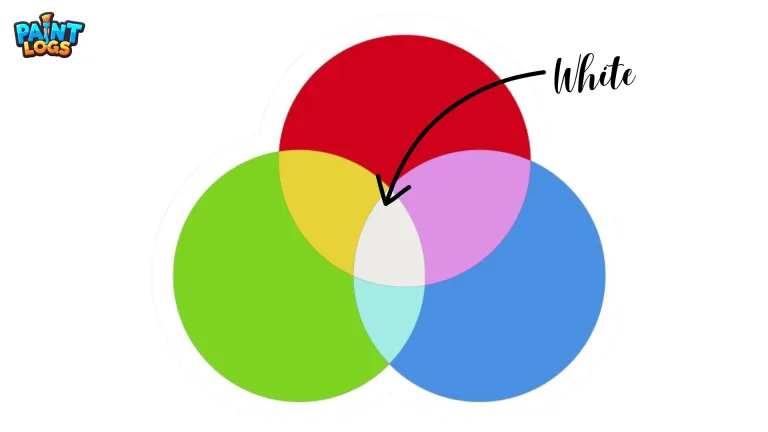
In light, however, the result is different. Light works on an additive color model (RGB), where mixing red and black creates darker tones but doesn’t lead to the rich pigments of paint. Instead, it may cause a washed-out, subdued effect, often leading to dark magenta or neutral grayish tones. The interaction between light and color is more dynamic in digital media, which creates a brighter result when mixing.
| Mixing Type | Result | Description |
|---|---|---|
| Paint (Subtractive) | Red + Black | Burgundy, Maroon, Dark Brown |
| Light (Additive) | Red + Black light | Dark Magenta, Grayish Neutral |
| Digital (CMYK) | Red + Black | Muted, Desaturated, and Dark Shades |

Can You Make Red from Black?
The answer is no, you cannot make red from black. Red is a primary color, and black is essentially the absence of light. Black cannot generate primary hues like red; it can only darken or mutate existing colors. When mixing red and black, the result is always a darker version of red or a completely muted shade, but many people often wonder if it’s possible to create red from black.
In terms of color theory, red is one of the three primary colors in the subtractive color model (along with blue and yellow). These colors cannot be made by combining any other colors. Black, however, is a neutral color, meaning it absorbs all wavelengths of light, making it impossible to create primary hues like red from it.
If you’re using paint and looking to darken red, black is a great tool to do so, but it will never create the original color itself. Artists often mix black with colors like red to create darker, more earthy or muted tones such as burgundy, maroon, or deep plum, but these are still just shades of the original red.
Red and Black Color Mixing Chart (Paint Examples)
To better understand how different ratios of red and black create various tones, here’s a breakdown of red and black mixes using the RYB color model (Red, Yellow, Blue) commonly used in painting:
| Red Amount | Black Amount | Resulting Color |
|---|
| 100% Red | 0% Black | Bright Red |
| 75% Red | 25% Black | Maroon |
| 50% Red | 50% Black | Burgundy |
| 25% Red | 75% Black | Dark Brown-Red |
| 0% Red | 100% Black | Black with Red Undertone |
This chart showcases how changing the ratio of red and black can give you different shades, from vibrant red to earthy tones like maroon, burgundy, and brown.
What Happens When You Add White, Yellow, or Black to Red and Black?
The result of mixing red and black can change dramatically when you add a third color, like white, yellow, or even more black. Here’s what happens:
Red + Black + White = Maroon, Burgundy, or Plum
Adding white to the red and black mix will lighten the tones, turning them into softened versions like maroon, burgundy, or plum. This can help create lighter, more elegant shades, which are great for subtle contrasts in design or art.
Red + Black + Yellow = Brown or Muted Red
Adding yellow to the mix neutralizes the red and black, turning it into a muddy or earthy brown. This is ideal for backgrounds, shadows, or muted tones. However, it’s important not to add too much yellow, or the color can become too dull.
Red + Black + More Black = Very Dark Brown or Charcoal
Increasing the black in the mix will result in an almost black hue with a dark red undertone. This creates a very moody effect, often seen in grunge designs, gothic fashion, or abstract art.
Red + Black + Blue = Deep Burgundy or Plum
Adding blue to red and black can cool down the mixture and create a deep burgundy or plum tone. This is perfect for creating luxurious, rich shades that work well in fashion or interior design.

Mixing Red and Black in Digital vs. Traditional Art
Digital Art (RGB Color Model)
In digital art, the mixing of red and black doesn’t work the same way it does in traditional painting. Digital art uses the RGB color model (Red, Green, Blue), where light wavelengths are combined to create new colors. In this model, red and black light typically produce a desaturated, dark magenta or neutral tone rather than a pure red. This happens because black in light (RGB) represents the absence of light, resulting in darker, more muted results.
Traditional Art (RYB Color Model)
In traditional paint mixing (using the RYB color model), red and black create warm, earthy tones like burgundy or dark brown. This is a subtractive process where pigments absorb light, and when mixed together, they absorb more, creating a darker tone.
Difference
In digital art, you often end up with a lighter and less vibrant color compared to the darker, richer tones seen in paint. It’s crucial to recognize the differences between these two types of mixing to avoid confusion and achieve the intended color in the right medium.
| Medium | Red + Black Result | Description |
|---|---|---|
| Paint (RYB) | Burgundy, Maroon, Brown | Rich, warm tones perfect for physical mediums |
| Digital (RGB) | Dark Magenta, Muted Red | Duller, neutral tones due to light absorption |
Now that we understand the science behind mixing red and black, let’s explore how these colors are used in various creative fields.

Common Mistakes When Mixing Red and Black
- Adding Too Much Black: Adding too much black can quickly turn the color too dark, losing the vibrancy of red.
- Ignoring Lighting: The color might look different in different lighting conditions. What looks like a rich maroon in daylight might appear almost black under artificial light.
- Not Testing the Mix: Always test the mix on a small surface before applying it to a larger project, as it may look different when dried.
Tips for Mixing Red and Black in Paint
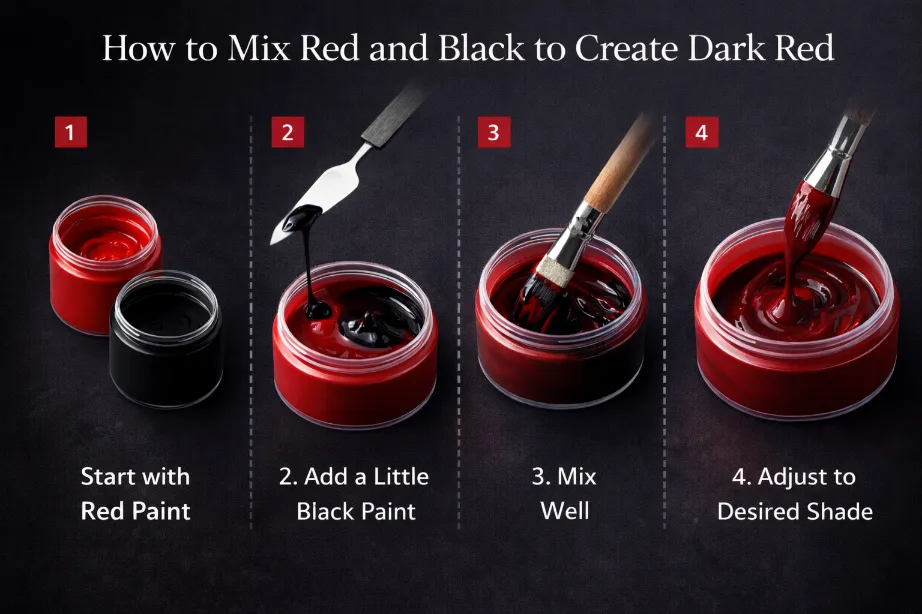
When mixing red and black in paint, achieving the perfect color requires more than just adding the two colors together. Here are some tips for getting the most accurate results:
- Start Slow: Add black in small amounts to the red paint and gradually increase it until you achieve the desired tone. Adding too much at once can quickly turn the mix too dark.
- Test on a White Surface: Before applying the mix to your canvas or project, test the color on a white surface to see how it looks when dry. Paint often appears darker when wet.
- Use Artist-Grade Pigments: Higher-quality paints tend to mix more smoothly and provide more predictable results. Avoid using cheap paints, as they may include fillers that alter the outcome.
- Add White for Softer Tones: If the mix is too dark for your needs, adding white can help soften the color, giving you lighter shades like plum or burgundy.
- Consider the Lighting: The final color can look different under various lighting conditions. Test your mixture under both natural light and artificial light to ensure it looks good in all settings.
Complementary Colors for Red and Black
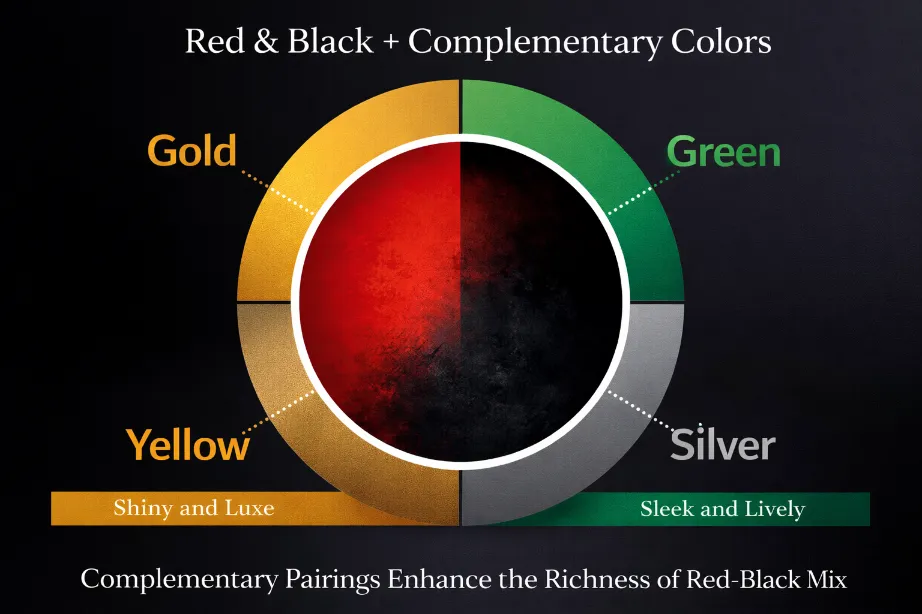
When using red and black together, pairing them with complementary colors can enhance the overall impact and add visual harmony to the design.
- Gold, Silver, or White: These colors enhance the richness of red and black, adding elegance, contrast, and shine. The metallic or neutral tones help highlight the boldness of the red and black combination, making it appear even more sophisticated.
- Neutral Tones: Pair red and black with beige, gray, or cream for a more sophisticated and subtle look. These tones soften the intensity of red and black, creating a balanced and refined aesthetic.
- Green or Yellow: These colors add energy to red and black when used sparingly, helping to create a more vibrant and dynamic look. Green and yellow offer a contrasting burst of color that can make red and black stand out even more in design projects.
Real-Life Examples of Red and Black Mixing in Art and Design
Fashion:
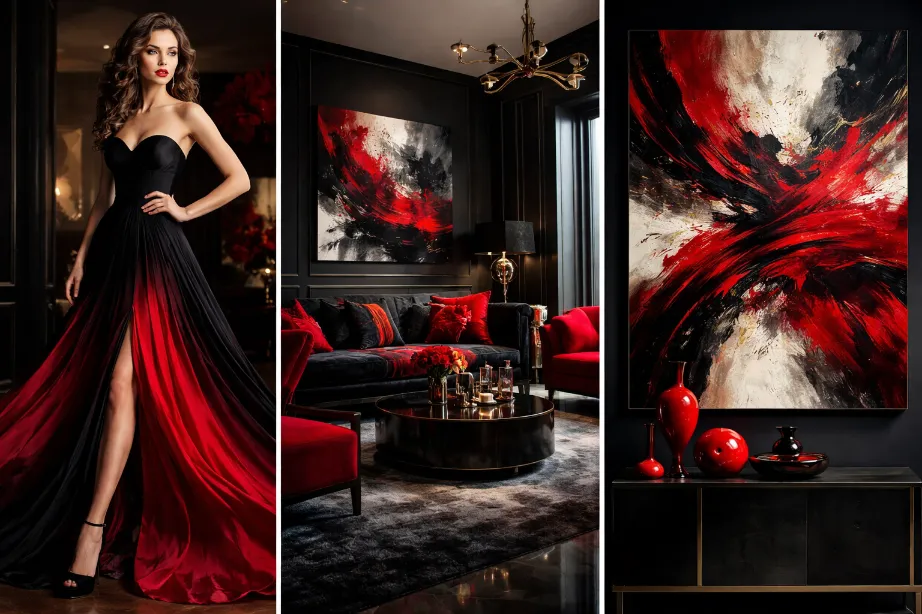
The red and black combination is often used in high-fashion and luxury designs. Think of bold, statement-making garments like red dresses with black accents, or black suits with red accessories. This combo is a classic in both fall and winter collections, giving a sense of elegance and power.
Interior Design:
Red and black are frequently paired in interior design for dramatic effects. This combination works beautifully for accent walls, luxurious fabrics, or bold furniture pieces. Whether you’re designing a living room, dining space, or even a home office, these colors create an environment that’s full of energy, contrast, and depth.
Branding and Logos:
The combination of red and black in branding is often associated with strength, luxury, and high-end products. Famous brands like Coca-Cola and Chanel have used red and black in their logos and packaging for years, emphasizing a bold and recognizable visual identity.
Conclusion:
Mixing red and black creates a range of rich, dark tones, such as maroon, burgundy, and deep brown. These colors are perfect for adding depth and drama to any project. By adjusting the amount of black, you can create softer or darker shades, each with its own unique appeal.
Whether you’re using these colors in fashion, art, or design, red and black offer versatility and sophistication. They are ideal for creating bold, elegant looks, making them a popular choice in many creative fields.
FAQs
What color do red and black make when mixed?
Mixing red and black creates a rich, muted tone such as burgundy, maroon, or dark brown, depending on the ratio of each color.
Why does red and black make maroon?
When black is added to red, it darkens the red, creating a more earthy, rich tone—maroon is a common result.
Can I make red from black?
No, red is a primary color, and black cannot create primary colors. Black can only darken existing colors, not produce primary hues like red.
Does the ratio of red to black matter in the mix?
Yes! The ratio of red to black significantly affects the resulting color. More red will yield a brighter, vivid result, while more black will result in darker, muted shades like brown or burgundy.
Can you use red and black together for interior design?
Yes, red and black can create bold, dramatic spaces in interior design. These colors work especially well in formal rooms, high-contrast décor, and luxurious spaces.
What happens if I add white to the mix?
Adding white to red and black will lighten the mixture, creating softer tones like plum, burgundy, or maroon.
What if I add yellow to the red and black mix?
Adding yellow can neutralize the mixture, often resulting in muddy or earthy tones like brown or taupe.
How can I mix red and black for fashion?
In fashion, red and black create a powerful and elegant combination, often used in luxurious designs, formal wear, and bold statement pieces