
If you’ve ever wondered “what color does green and black make,” the answer is: a darker, muted version of green. Artists often describe this mix as deep green, mossy green, olive green, or nearly black green, depending on how much black is added.
When mixing green with black, the result can range from soft moss green and khaki to deep olive green, forest green, or even midnight green that appears almost black. The final shade depends entirely on the type of green used and the ratio of black in the mix.
So when people ask “green and black make what color” or “what color does black and green make,” the real answer is that there isn’t just one outcome, green and black create a full spectrum of dark, earthy green shades.
In this guide, we’ll break down how green and black interact, mixing ratios, HEX codes, and practical uses so you can confidently mix and apply these colors in art and design.
Mixing Green and Black in Paint
GREEN+ BLACK = A darker shade of green
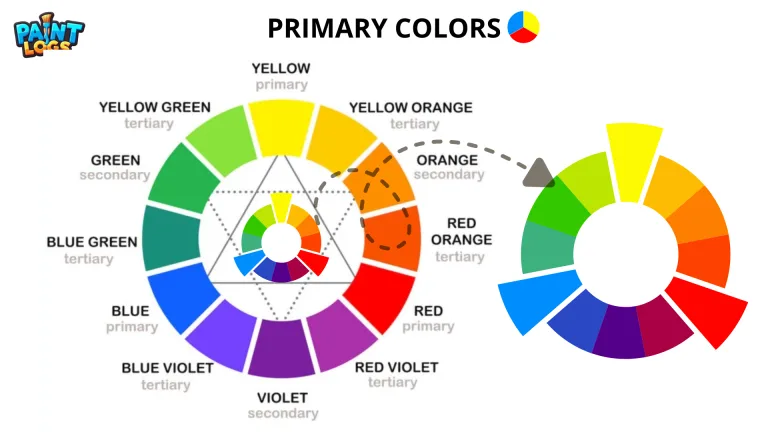
In the world of traditional paint mixing (RYB model), green is a secondary color created by mixing yellow and blue. When you add black to green, you darken the color, creating a shade of green, not a completely new color. The result is often a dark green, which can range from olive green to forest green, depending on the amount of black added.
- More Green: If the green dominates the mixture, the resulting color will have a slight brown or yellowish undertone, often referred to as olive green.
- More Black: The more black you add, the darker the green becomes, potentially resulting in colors like forest green, hunter green, or even a greenish-black shade, often called Greenblack or bottle green.
How Black Affects Green
In terms of color theory, adding black to any color results in a shade. When black is mixed with green, it does not change the fundamental hue (green remains green), but it lowers the lightness of the color. This results in a muted, darker version of the original green. The precise shade of green depends on the proportion of black used.
In art and design, this mixing method is useful for creating shadows, depth, and richness in color palettes. By adjusting the black-to-green ratio, artists can control how dark or light the final color will appear.

Color Theory Basics: How Green and Black Mix
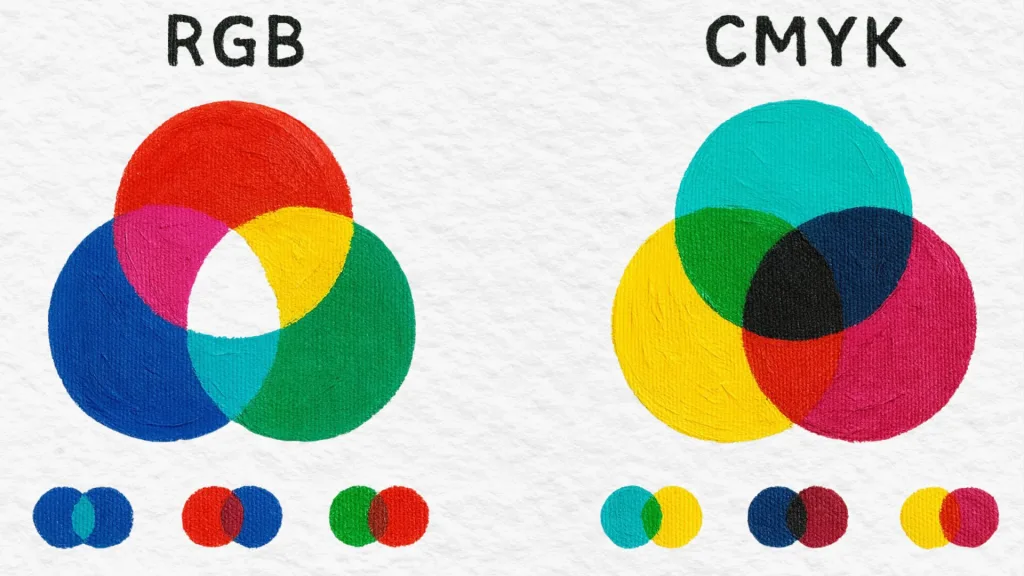
Understanding the science behind color mixing helps us predict the results when combining green and black. Let’s explore the RYB (Red-Yellow-Blue), RGB (Red-Green-Blue), and CMYK (Cyan-Magenta-Yellow-Black) models.
RYB Model (Traditional Paint Mixing)
In traditional paint mixing, green is a secondary color. It’s created by combining blue and yellow. When black is added, you’re essentially lowering the brightness of the green, making it darker. In the RYB model, this results in a range of dark green shades:
- Olive Green: This happens when the green is slightly warmer, leaning towards yellow.
- Forest Green: A cooler, darker green, often used in nature scenes, trees, and foliage.
- Hunter Green: A deep, rich green, often associated with outdoor and military themes.
RGB Model (Digital Light)
In the RGB model, green is one of the primary colors, along with red and blue. However, when mixing colors in light (like on a computer screen), black doesn’t really mix with green in the same way it does in physical mediums like paint.
When it comes to light, black is the absence of color or light. Adding black to green on a screen would dim the brightness or remove the saturation, leading to duller shades of green. So, in the RGB model, black doesn’t create the same exact color results as it does in paint.
CMYK Model (Printing)
In printing, colors are created by mixing the four ink colors cyan, magenta, yellow, and black (CMYK). Green is made from cyan and yellow inks, and adding black ink results in darker, more muted greens. This is because black (key) ink in printing darkens the mix, producing shades like:
- Dark Green: Achieved by mixing cyan and yellow with varying amounts of black.
- Olive Green: A warmer, earthy green produced by a slightly higher amount of yellow and black.
In the CMYK model, the resulting shades are useful for printing designs, where darker green tones are needed for shadows, depth, and detail.
Core Results: What Color Do Green and Black Make?
When mixing green and black, the primary result is a dark green shade. But the exact color outcome depends on the proportions of each color and the medium in which you’re mixing. Here are the key color results you can expect:
Olive Green
When you mix green and black, a warm, muted green like olive green often appears. This shade has a yellowish-brown undertone, making it perfect for earthy tones in art and design. Olive green is commonly used in fashion (military style) and interior design for vintage, natural aesthetics.
- Hex Code: #808000
- Use: Military designs, nature-themed artwork, vintage fashion.
Forest Green
When more black is added to green, the result is a cooler, deeper green. This color is often referred to as forest green or hunter green. It’s a rich, dark green that is widely used in nature scenes, shadows, and landscape paintings.
- Hex Code: #228B22
- Use: Nature scenes, forest imagery, outdoor clothing.
Greenblack (Bottle Green)
In some cases, when a significant amount of black is added to green, the resulting color is a near-black shade with green undertones, often referred to as Greenblack or Bottle Green. This dark color is often used in luxury designs, corporate branding, and formal fashion.
- Hex Code: #1B2A34
- Use: Luxury brands, formal fashion, deep design themes.
Tints and Shades of Green and Black
When mixing green and black, the resulting color can be adjusted to create different tints and shades, depending on whether you add white or more black. Let’s take a look at how these changes affect the final color.
Lightening the Mix (Adding White or Yellow)
Adding white to green and black results in a lighter version of the dark green mix. The resulting color becomes a pastel or muted shade, ideal for more delicate or subtle designs. Here are a few examples of lightened mixes:
- Moss Green: A lightened green with a hint of black, creating a softer, earthy tone.
- Khaki: When you mix green, black, and a bit of yellow, you get a warm, light brown-green that works well in natural designs.
- Examples of Lightened Colors:
- Lavender Glow: Adding white to a darker green-black mix results in a gentle pastel, often used in floral designs and light backgrounds.
- Periwinkle: A cooler pastel that falls between light blue and purple, often used in soft, modern digital designs.
By lightening the mix with white, you get a pastel version of the dark green, perfect for softer aesthetics or designs that need a lighter touch.
Darkening the Mix (Adding More Black)
On the other hand, if you add more black to the green-black mix, you create even darker shades of green. This approach produces more saturated, intense tones that can make a powerful statement in designs, especially for dramatic effects or contrast.
- Deep Indigo: When you add black to green, the resulting color can range from olive green to deep indigo, a darker, more intense hue that is perfect for shadow effects and dramatic landscapes.
- Midnight Green: A very dark green that can appear almost black, perfect for creating depth and rich contrast in designs.
These darker shades of green are excellent for creating mood, contrast, and depth in your work. They’re often used in nighttime scenes, shadows, or even luxury design.

Tints & Shades of Green and Black (with HEX Codes)
| Color Name | Description | HEX Code |
|---|---|---|
| Moss Green | Soft, earthy green with a slight black undertone | #8A9A5B |
| Khaki | Warm brown-green made with green, black, and yellow | #C3B091 |
| Pastel Dark Green | Lightened green-black mix with white | #AFC1A3 |
| Muted Green | Soft, desaturated green suitable for subtle backgrounds | #9BAE9B |
| Midnight Green | Very dark green that appears almost black | #004953 |
| Deep Olive Green | Dark green created by adding more black | #2F3E2E |
| Forest Green | Rich, deep green with strong saturation | #014421 |
| Blackened Green | Nearly black green used for shadows and depth | #0B1C14 |
Practical Uses for Green and Black Mixes in Art and Design
Mixing green and black creates versatile colors that can be applied in various fields of art and design. Here are some of the key areas where these mixes are most effective:
Art and Painting
In the art world, green and black are commonly used to create depth, shadows, and more naturalistic tones. Artists use green-black mixes to add realism to landscapes, nature scenes, and botanical illustrations. Some common applications include:
- Nature and Foliage: A combination of green and black can help create the effect of dense trees, shadows, or forest foliage. For instance, a forest green mix might be used to paint trees and plants.
- Shadows: Darker shades of green, such as hunter green or indigo, are perfect for adding depth to shadowed areas in paintings or illustrations.
Artists also use green-black mixes to create depth and contrast in landscape art, textured paintings, and abstract works. By adjusting the proportions, you can make the background of a painting appear darker or lighter, creating a balance with other elements in the artwork.
Digital Design and Fashion
In the realm of digital design, green and black mixed together can produce sophisticated, modern, and futuristic effects. These colors are often used in UI/UX designs, website themes, and branding:
- Website Themes: A dark green or green-black color can be used in website backgrounds, buttons, or headers to create a clean and professional aesthetic.
- Neon Effects: Mixing green with black in digital design can create neon-like glowing effects that are popular in futuristic branding or gaming visuals.
In fashion, green and black combination outfits are often used to convey power and elegance. The color combination works well in both streetwear and formal settings, offering a bold statement. Some fashion examples include:
- Olive Green Military Jackets paired with black pants.
- Forest Green Dresses paired with black accessories or shoes.
Interior Design
In interior design, green-black tones are often used to create elegant, luxurious, or mysterious vibes. Darker greens, like bottle green or hunter green, paired with black, can make a room feel warm and cozy. Some practical uses include:
- Accent Walls: A dark green-black mix on an accent wall can give a room a sense of depth, making it feel more intimate and relaxed.
- Furniture and Decor: Green-black tones are often used in furniture or upholstery to create a vintage or sophisticated look.
- Lighting: For a more modern look, a green-black light mix can be used in lighting fixtures, giving off a unique glow.
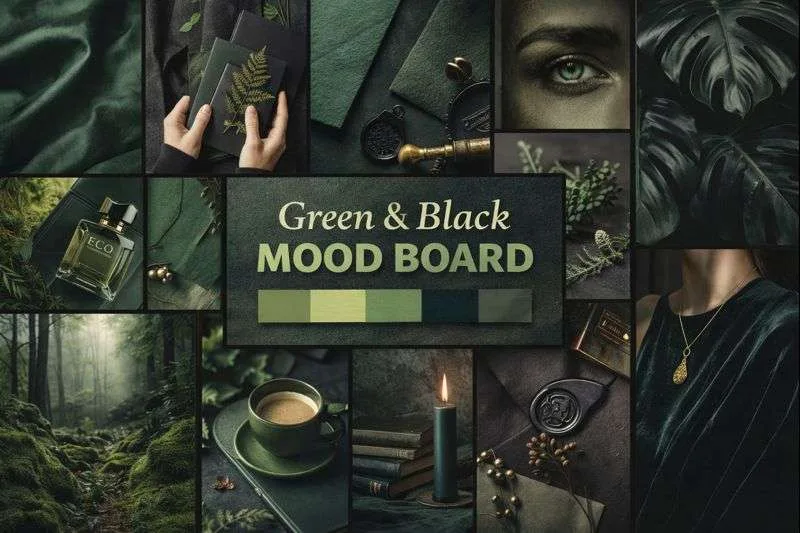
Real-World Examples of Green and Black Mixing
- In Nature: One of the best real-world examples of green and black mixing is in forests. As the sun sets, green trees take on a darker hue, appearing more blackish-green, especially in dense woods. Moss, pine trees, and shrubs often exhibit dark green shades.
- In Fashion: Olive green military jackets paired with black leather have been a staple in fashion for decades. This combination is popular because it conveys strength and sophistication. Designers use green-black outfits for both casual wear and formal settings to achieve a striking visual effect.
- In Architecture: Green-black shades are often used in commercial designs, creating a futuristic or corporate atmosphere. Sleek, dark green windows or black-green facades are commonly seen in modern office buildings.

Conclusion: What Color Do Green and Black Make?
In conclusion, mixing green and black creates a range of dark green shades. The most common result is a muted green, with variations such as olive green, forest green, and green-black, depending on the amount of black added. These dark green colors can be used across multiple fields, including art, fashion, interior design, and digital design, making them versatile and practical for creating depth, contrast, and sophistication.
- The RYB (paint) model and CMYK (printing) model show that green, when mixed with black, becomes darker, leaning toward a rich, earthy tone or deep indigo.
- RGB (light) mixing behaves differently, as black in digital media reduces the vibrancy of green, making it less saturated or bright.
By adjusting the proportions of green and black, artists and designers can achieve subtle variations of dark green to suit various creative needs. Whether you’re looking for elegant designs, natural hues, or futuristic aesthetics, green and black mixed together offer a broad spectrum of possibilities.
FAQs
What is the difference between olive green and forest green when mixing green and black?
Olive green is a warmer, earthy tone with yellow or brown undertones, while forest green is a cooler, deeper shade with a hint of blue, making it look more saturated and rich.
What color do you get if you mix green, black, and white?
When you add white to a mix of green and black, the color becomes lighter, resulting in a muted pastel such as mint green or khaki.
How do I create an even darker shade of green?
To make green even darker, simply add more black to the green mix. This will result in deeper, richer shades like hunter green or midnight green.
Can green and black create blue?
No, mixing green and black doesn’t create blue. However, adding a small amount of blue to the green-black mix could result in a dark teal or blue-green shade.
Can I use green and black in digital designs?
Yes! In digital design, green and black can be used to create dramatic effects. Dark green shades are commonly used for backgrounds, gradients, and buttons on websites or apps.
What colors mixed together create dark green?
To create dark green, mix green with black. You can adjust the exact shade by modifying the ratio of black to green, resulting in olive, forest, or hunter green.
What color does dark green and black make?
When dark green and black are mixed together, you often get a near-black shade with green undertones, commonly called green-black or bottle green.
How do I make dark green using green and black?
Simply add black to green. The more black you add, the darker the green will become, resulting in olive green, forest green, or even bottle green.
What colors mixed together make dark green?
To create dark green, mix green with black. The more black you add, the darker the green will become.
Does mixing green and black make brown?
No, green and black do not create brown. Instead, they result in various dark green shades, such as forest green or olive green.