Temporary Roof Repairs: Legal Duties, Risk Management, and Interim Protection
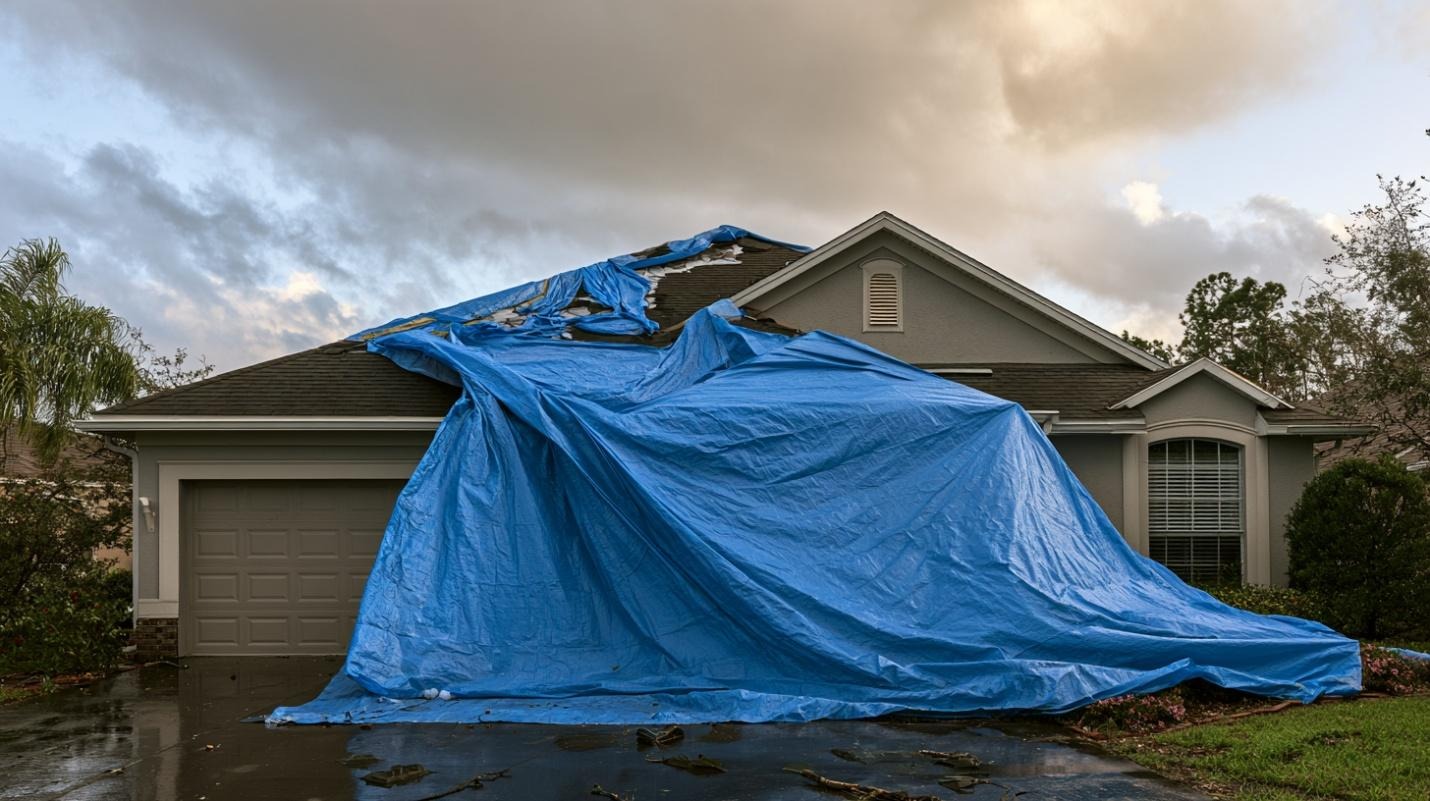
Roof damage caused by severe weather, falling debris, structural deterioration, or unexpected incidents can create immediate safety and property concerns. While permanent repairs may require professional assessment, materials, permits, or insurance authorization, property owners may need to take reasonable interim measures to prevent additional damage.
From a legal perspective, the failure to address a known roofing defect could potentially increase liability or complicate an insurance claim, depending on the circumstances and applicable law.
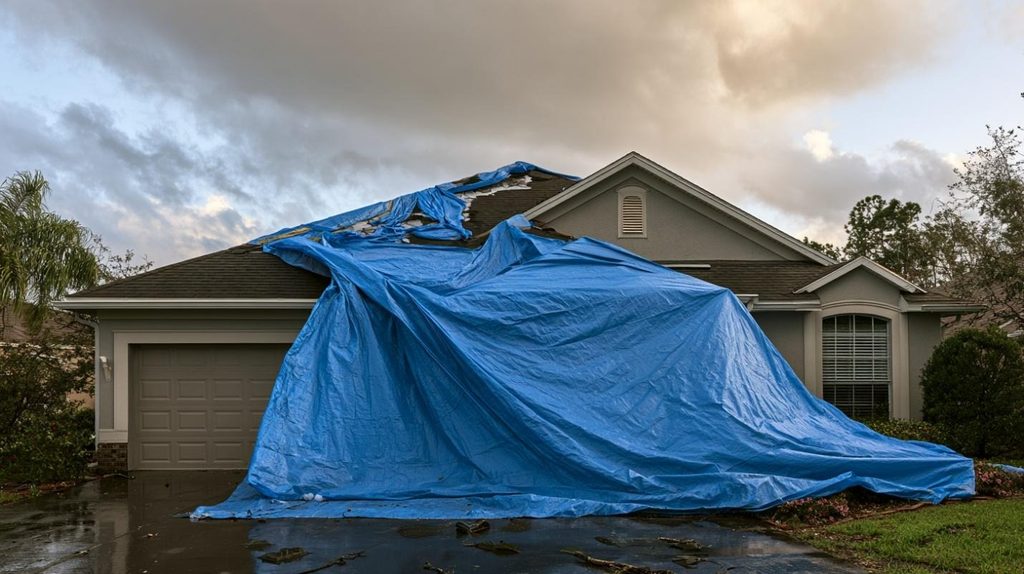
A temporary roof repair may provide an interim measure designed to limit water intrusion and protect the property until permanent work can be completed. Such measures should not be regarded as a substitute for professional repairs.
Property owners should prioritize safety, document the damage, and take reasonable steps to mitigate further loss while ensuring that any work complies with applicable building requirements and insurance obligations.
The Legal Duty to Mitigate Property Damage
Following a roofing incident, property owners may have an obligation under applicable insurance policies or legal principles to take reasonable steps to prevent further damage. This concept is commonly referred to as the duty to mitigate damages. The precise scope of that obligation depends on the circumstances, the applicable jurisdiction, and the terms of the relevant insurance policy.
Reasonable mitigation may include:
- Covering exposed portions of the roof where safely possible
- Placing containers beneath active interior leaks
- Removing or protecting vulnerable personal property
- Contacting a qualified roofing professional
- Notifying the insurer when a covered loss may have occurred
However, property owners should avoid actions that could place them or others at unnecessary risk.
Safety Should Take Priority
Roof work can involve substantial risks, particularly after storms or structural damage. Wet surfaces, unstable roofing materials, electrical hazards, and weakened structures can create dangerous conditions.
Where significant damage exists, property owners should avoid climbing onto the roof and instead contact a qualified professional. Emergency measures should be limited to actions that can be performed safely from the ground or from secure interior locations.
Documenting Damage Before Permanent Repairs
Proper documentation can be highly important when an insurance claim or property dispute may arise. Before disturbing damaged areas, property owners should photograph and record the condition of the roof and affected interior spaces whenever it is safe to do so.
Records to Preserve
Property owners should consider retaining:
- Photographs and videos of visible damage
- The date and approximate time of the incident
- Weather reports or other relevant evidence
- Contractor inspection reports
- Receipts for emergency materials and services
- Communications with insurance representatives
These records may help establish the condition of the property immediately following the incident and demonstrate that reasonable mitigation efforts were undertaken.
Temporary Measures and Insurance Considerations
Insurance policies frequently contain provisions concerning prompt notice, preservation of damaged property, and mitigation of additional losses. Policyholders should review their coverage and notify their insurer as soon as reasonably practicable when appropriate.
Avoiding Unnecessary Permanent Alterations
Before extensive repairs begin, homeowners should determine whether an insurer needs to inspect the damage. Removing damaged materials prematurely may make it more difficult to establish the cause or extent of the loss.
At the same time, emergency measures necessary to prevent additional damage should not necessarily be delayed when immediate action is reasonably required. Policyholders should document what was done, why it was necessary, and the expenses incurred.
Contractor Selection and Legal Protection
If professional assistance is required, property owners should consider hiring appropriately qualified and insured contractors. A written agreement should clearly identify the scope of temporary work, expected costs, limitations, and responsibility for subsequent permanent repairs.
Important considerations include:
- Verification of applicable licensing requirements
- Proof of insurance
- Written estimates
- Clear descriptions of emergency services
- Documentation of materials and labor
These precautions can help reduce disputes concerning workmanship, payment, or responsibility for subsequent damage.
Temporary Does Not Mean Permanent
Temporary roof repairs are intended to stabilize a situation, not permanently restore the roof. Continued reliance on an interim measure may allow underlying structural or moisture problems to worsen.
Property owners should arrange a professional inspection and permanent repair as soon as reasonably practicable.
Conclusion
Temporary roofing measures can play an important role in protecting property after unexpected damage, but they also raise important legal, insurance, and safety considerations. Property owners should prioritize personal safety, take reasonable steps to mitigate additional damage, preserve evidence, notify insurers when appropriate, and obtain professional assistance for significant repairs.
By maintaining thorough documentation and using qualified contractors, homeowners can better protect their property and reduce potential disputes. Ultimately, interim roof protection should be viewed as a risk-management measure while permanent, code-compliant repairs are arranged.