How Remodeling and Painting Work Together in Modern Home Design
In modern residential design, painting and remodeling are often treated as separate phases of a project. In practice, however, they are closely interconnected. The quality of a finished interior depends not only on the materials and colors selected, but also on how the underlying space has been designed and structured.
Understanding how remodeling and painting work together allows homeowners to achieve more cohesive, functional, and visually refined results.
Why Layout Comes Before Finishes
One of the most common mistakes in home improvement projects is focusing on surface updates before addressing the layout itself. While a fresh coat of paint can improve the appearance of a space, it cannot resolve underlying issues related to functionality, flow, or spatial organization.
Elements such as:
- inefficient room layouts;
- poor circulation between spaces;
- lack of natural light;
- outdated structural configurations.
are best addressed during the remodeling phase. Once these aspects are resolved, painting becomes a tool to enhance and reinforce the design, rather than compensate for its limitations.
In many cases, homeowners explore professional home remodeling services to optimize their space before selecting finishes and colors that align with the updated layout.
The Role of Color in Spatial Perception
Paint plays a critical role in how a space is perceived, but its effectiveness depends heavily on the structure of the interior.
Well-designed layouts allow color to work more effectively by:
- creating clear visual transitions between zones;
- enhancing natural light distribution;
- emphasizing architectural features;
- supporting a cohesive design language throughout the home.
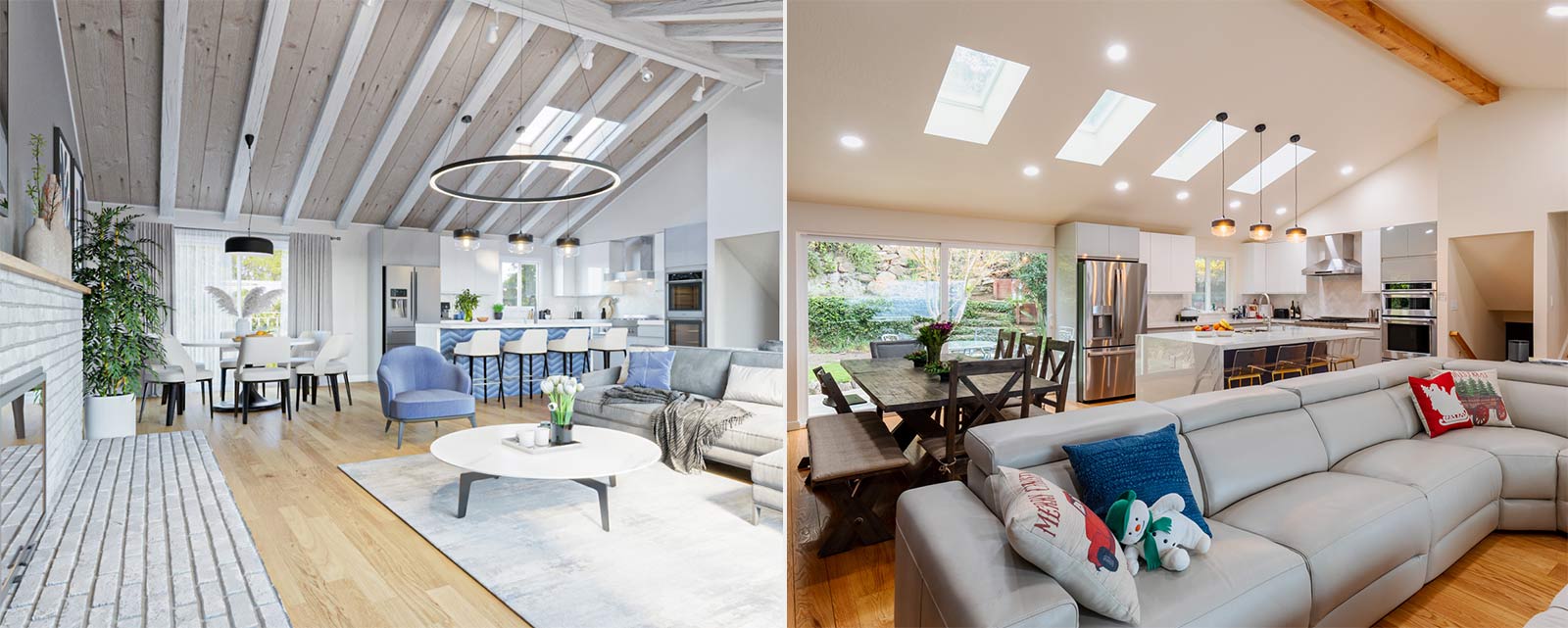
For example, open-concept layouts benefit from consistent color palettes that unify connected spaces, while more segmented layouts may require deliberate contrast to define different areas.
Without a strong spatial foundation, even well-chosen colors can feel disconnected or ineffective.
Coordination Between Design and Execution
Another key advantage of aligning remodeling and painting early in the process is improved coordination between design decisions and construction execution.
When these elements are considered together:
- material selections are more consistent;
- finishes align with architectural intent;
- timelines are more efficient;
- costly revisions are minimized.
This integrated approach reduces the risk of repainting, redesign, or adjustments after construction has already begun.
From Structure to Finish: A Coordinated Process
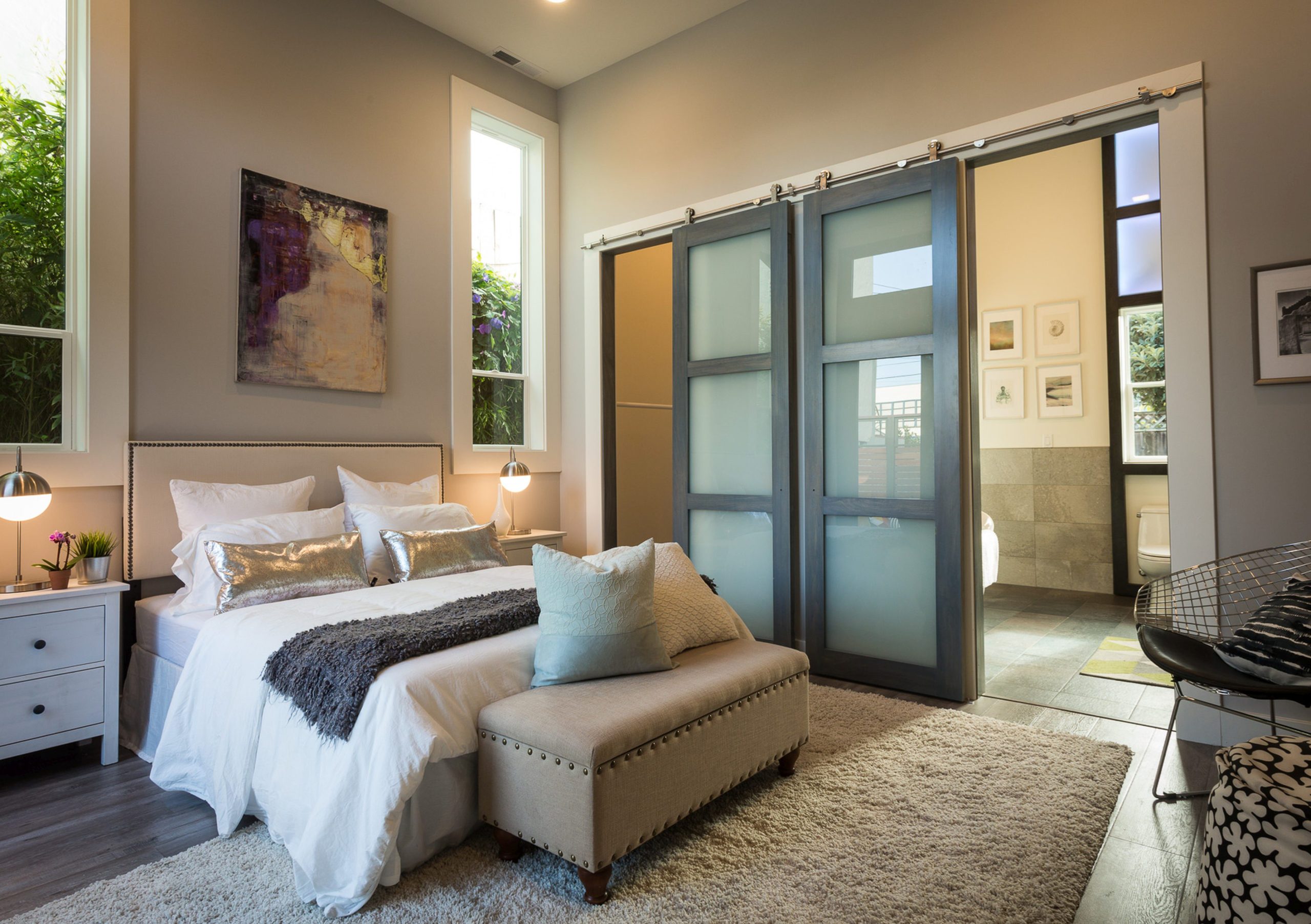
A well-executed project follows a structured progression in which each phase builds upon the previous one, ensuring consistency between design intent and final outcome.
This typically includes:
- spatial planning and layout development;
- implementation of structural and functional improvements;
- selection of materials and finishing systems;
- final painting and detailing.
By following this sequence, finishing elements such as paint are applied within a fully resolved environment, where proportions, lighting, and materials have already been carefully considered.
As a result, paint enhances the overall composition of the space rather than compensating for underlying design limitations.
Creating Cohesive, Long-Term Results
Successful residential design is defined not by individual elements, but by the way those elements are integrated into a unified system. Remodeling establishes the spatial and functional framework of the home, while painting refines its visual expression and overall atmosphere.
When these aspects are considered as part of a coordinated process, the result is a more balanced and consistent interior. Materials, color, and layout work together to support both usability and visual clarity, rather than competing as separate decisions.
This integrated approach leads to interiors that are not only aesthetically refined, but also more functional, adaptable, and aligned with long-term living needs.
A More Integrated Approach to Interior Transformation
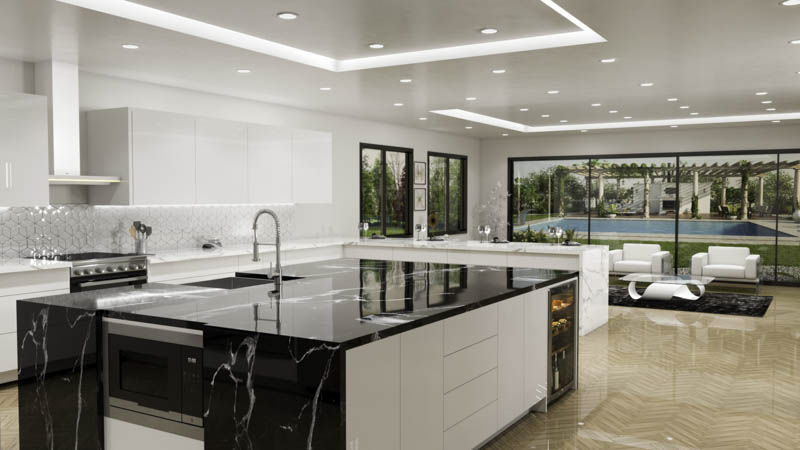
While painting can significantly alter the perception of a space, its effectiveness depends on the underlying design decisions. Without a well-resolved layout and cohesive material strategy, visual updates tend to remain superficial.
By aligning structural improvements with finishing elements, homeowners can achieve a more complete transformation — one that enhances both how the home looks and how it performs over time.
Rather than treating remodeling and finishing as separate stages, a coordinated approach ensures that every decision contributes to a consistent and lasting result.