
Yes, you can use acrylic paint on metal, but only if you prepare the surface correctly.
Acrylics don’t naturally bond to smooth, non-porous materials like steel or aluminum. To make them last, you need to clean away oil and rust, lightly sand to create texture, and apply a metal-safe primer before painting.
Once primed, acrylic paint adheres beautifully and can last five to ten years indoors or two to five years outdoors when protected with a clear sealer. The result is a durable, chip-resistant finish that keeps its color even under changing temperatures.
For the best outcome, follow this order:
Clean → Sand → Prime → Paint → Seal.
Skip any step, and the paint will likely peel or flake within months, especially on outdoor metal.
This guide from Paintlogs explains every step in detail,from preparation and product selection to sealing and long-term care, ensuring your painted metal surfaces remain durable, chip-free, and vibrant for years.
Why Acrylic Paint Works (and When It Doesn’t)
Acrylic paint can stick to metal because it forms a flexible, plastic-like film that grabs onto microscopic scratches and pores in a properly prepared surface. Once cured, that film resists cracking and fading far better than most water-based alternatives. That’s why acrylics are often used on metal furniture, light fixtures, or railings where flexibility and color retention matter.
But adhesion only happens when the surface tension between paint and metal is balanced. Bare or glossy metal has almost no texture for the paint to grip, which is why unprimed metal causes acrylic to peel, flake, or chip within weeks. Oils, fingerprints, or traces of rust interrupt bonding just as easily.
In short: acrylic paint works beautifully on metal after proper prep and priming—not before. Use a bonding or self-etching primer to anchor the paint layer, and finish with a clear sealer if the item will face moisture, sunlight, or outdoor temperature swings. That extra protection keeps the finish smooth and prevents corrosion underneath.

Step-by-Step: How to Paint Metal with Acrylic
Getting acrylic paint to stick and last on metal is all about preparation. Every successful project follows the same five essential stages: cleaning, sanding, priming, painting, and sealing.
Follow each step carefully, and your finish will stay strong for years.
1. Clean and Degrease the Surface
Start by removing all traces of grease, oil, dust, or rust. Acrylic paint won’t bond if there’s even a thin film of residue.
Use a mild detergent, mineral spirits, or a TSP substitute for oily buildup. For small objects, acetone or rubbing alcohol works well.
Dry the surface completely before moving on—any leftover moisture can trap rust under the primer.
Pro Tip: Avoid touching the cleaned metal with bare hands. Skin oils create invisible barriers that weaken adhesion later.
2. Sand for Better Grip
Lightly sand the entire surface using 120–220 grit sandpaper or a fine scuff pad.
The goal isn’t to remove material—it’s to create micro-scratches that give the primer something to grab.
Wipe away dust with a tack cloth when finished.
For smoother materials like aluminum, stainless steel, or chrome, sanding is especially critical. These metals have low surface energy and will cause acrylic paint to peel if not properly abraded.
3. Prime with a Metal-Safe Primer
Primer is the bond between metal and acrylic paint—it’s what prevents chipping and rust.
Choose a product designed for metal surfaces, such as:
- Rust-Oleum Universal Bonding Primer – great all-round adhesion.
- Zinsser Bulls Eye 1-2-3 – water-based, rust-resistant.
- SEM Self-Etching Primer – ideal for aluminum or galvanized steel.
Apply one or two thin coats, allowing each to dry per the manufacturer’s instructions. Priming ensures even color and long-term durability, even under fluctuating temperatures.
4. Apply Acrylic Paint in Thin Layers
Once the primer is cured, begin painting.
Use a synthetic bristle brush, small roller, or HVLP sprayer for a smooth finish. Apply two to three thin coats instead of one thick layer; heavy coats trap moisture and may bubble or crack.
Let each coat dry completely — typically 1–2 hours indoors — before adding the next. If you’re unsure, learn how long to wait between coats of paint for best results.
5. Seal for Durability (Especially Outdoors)
Acrylic paint alone is not waterproof. To protect against sunlight, rain, or daily wear, apply a clear acrylic varnish, polyurethane, or enamel sealer.
Choose the finish based on your project:
- Gloss for furniture and décor
- Satin for railings and fixtures
- Matte for artistic or display pieces
If the metal will be outdoors, use an exterior-grade polyurethane or clear enamel spray. This final coat locks in color and prevents oxidation beneath the surface.
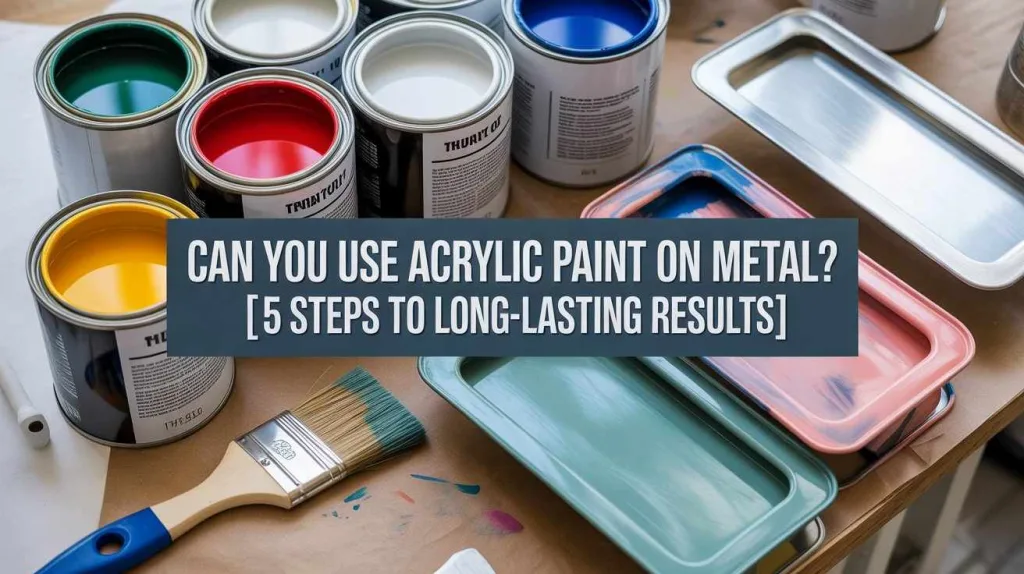
Will Acrylic Paint Stick to Metal Without Primer?
Technically, yes — acrylic paint can cling to bare metal for a short time.
But without primer, that bond is weak and temporary. Metal is a non-porous surface, so paint has nothing to grip. Within weeks, the finish begins to chip, flake, or lift—especially on smooth materials such as aluminum or stainless steel.
A primer creates a chemical and mechanical bridge between the metal and paint film. It adds micro-texture, evens out oxidation, and locks in moisture protection. When you skip it, humidity or temperature changes cause the acrylic layer to expand and contract faster than the metal underneath—eventually cracking or peeling.
There are only a few exceptions:
- Self-etching primers already contain bonding agents and acid-etch chemicals—these count as primer.
- Direct-to-Metal (DTM) acrylic enamels are engineered with built-in adhesion promoters and can be applied without a separate primer, though they still benefit from light sanding.
Like painting over other slick surfaces such as polyurethane, adhesion to bare metal is poor without proper prep. Here’s what happens when you try to paint over polyurethane without sanding or priming
So while you can brush acrylic paint straight onto metal, you shouldn’t expect durability. A single coat of bonding or rust-inhibiting primer adds years to your finish and prevents corrosion that ruins paint from beneath the surface.
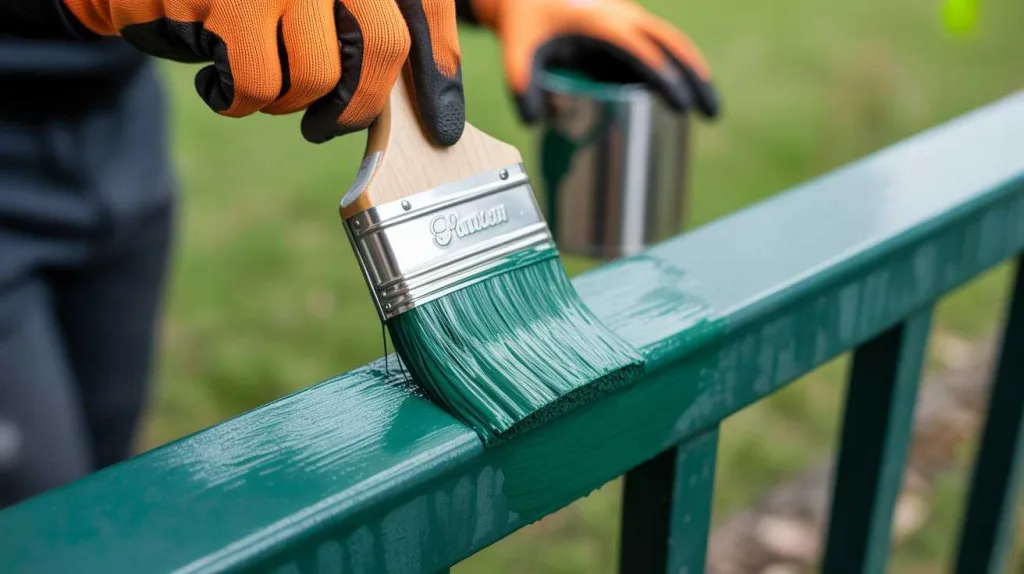
Acrylic Paint on Different Metals
Not all metals behave the same way when you paint them.
Each type of metal has its own surface chemistry, level of smoothness, and tendency to oxidize — and those factors directly affect how well acrylic paint sticks and lasts.
Here’s how to prep and paint the most common types:
| Metal Type | Preparation Steps | Primer to Use | Key Tips for Durability |
|---|---|---|---|
| Aluminum | Clean with acetone or alcohol, sand lightly with 220 grit | Self-etching or bonding primer | Smooth and oxidation-prone — always prime or the paint will peel quickly. |
| Steel / Iron | Remove rust completely, degrease, sand to bare metal | Rust-inhibiting metal primer | Seal after painting to block future rust. Best suited for indoor furniture or fixtures. |
| Galvanized Steel | Wash with vinegar or mild detergent to neutralize zinc, sand lightly | Self-etching or galvanized primer | Fresh zinc coating resists paint—prime within 48 hours after cleaning. |
| Copper / Brass | Wipe with solvent, sand lightly to dull shine | Acrylic bonding primer | Seal immediately to prevent green oxidation spots under paint. |
| Stainless Steel | Degrease, sand to create tooth, wipe clean | High-adhesion bonding primer | Stainless has very low surface energy—use fine-grit sanding and a primer rated for metal. |
| Cast Metal (Iron, Alloy) | Brush off corrosion, degrease thoroughly | Oil-modified acrylic or rust-block primer | Ideal for decorative pieces and hardware when sealed properly. |
For planning coverage or estimating product quantity, see our guide on how much a quart of paint covers on metal surfaces
Expert Insight
Metals differ mainly in porosity and oxide behavior. Aluminum and stainless steel resist corrosion because they form a thin oxide layer—but that same layer also resists paint adhesion.
That’s why a self-etching primer or acid-etch product is essential. It microscopically dissolves the oxide film, letting the acrylic base layer bond directly to clean metal.
If you’re painting outdoor metal—like a gate, railing, or sign—choose a rust-inhibiting primer and finish with a UV-stable clear sealer. Those two layers prevent rust creep and fading, extending the lifespan of the paint by several years.
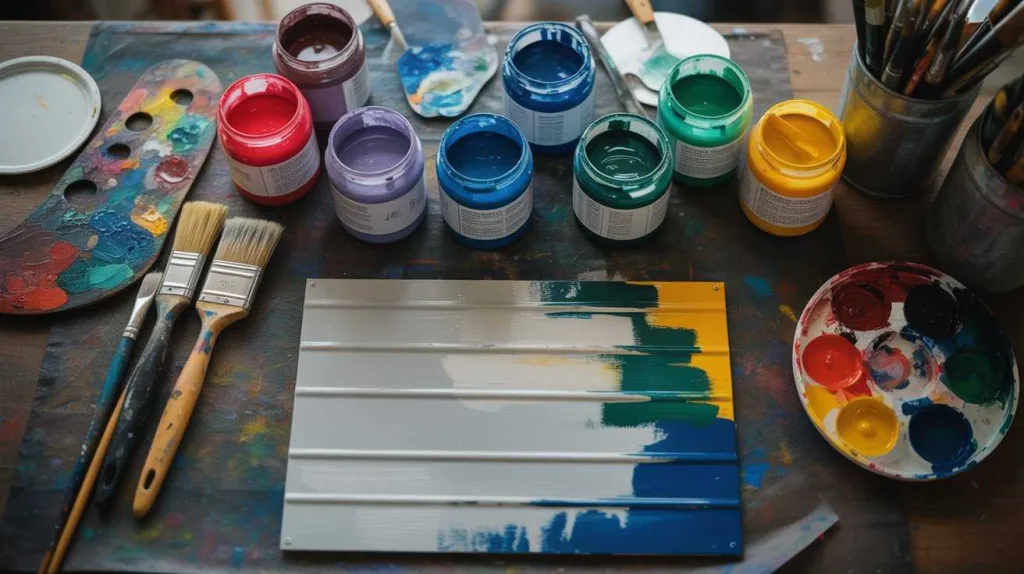
How Long Does Acrylic Paint Last on Metal?
A well-prepared and sealed acrylic paint job on metal can last five to ten years indoors and two to five years outdoors, depending on exposure, prep quality, and maintenance.
Acrylic paint is naturally flexible and UV-resistant, but it’s not invincible.
Its longevity depends on three key factors:
- Surface Preparation – Proper cleaning, sanding, and priming extend durability more than any single product choice. Poor prep can cut the lifespan in half.
- Exposure Conditions – Indoor metal furniture or fixtures stay protected from moisture and sun, so color and adhesion remain stable for up to a decade. Outdoor items face temperature swings, rain, and UV, which slowly break down the acrylic film.
- Protection Layer – A high-quality clear sealer or polyurethane topcoat adds 2–3 years of extra life by blocking moisture and fading.
If you notice dullness or chalking over time, lightly sand the surface and apply another clear coat. Regular re-sealing is far easier than stripping and repainting from scratch.
A well-prepared and sealed acrylic finish can last years, similar to other coatings described in how long paint lasts under different conditions.
Summary:
Indoors: 5–10 years • Outdoors: 2–5 years
Extend life with proper primer and UV-resistant sealer.

Best Primers and Sealers for Acrylic on Metal
Choosing the right undercoat and topcoat determines how well your acrylic finish holds up. Both act as barriers—one bonding paint to the metal, the other protecting it from air, moisture, and UV. Here’s what professionals rely on most.
Best Primers for Acrylic Paint on Metal
| Primer | Type / Base | Best For | Key Benefits |
|---|---|---|---|
| Rust-Oleum Universal Bonding Primer | Acrylic bonding | Most metals — indoor or outdoor | Exceptional grip on slick or glossy metal; blocks rust. |
| Zinsser Bulls Eye 1-2-3 | Water-based bonding primer | Clean, non-rusted surfaces | Low-odor, quick-drying, compatible with latex and acrylic topcoats. |
| SEM Self-Etching Primer | Acid-etch aerosol | Aluminum and galvanized steel | Chemically etches the surface for a permanent bond; ideal for auto or outdoor projects. |
| Krylon ColorMaxx Primer Spray | Solvent-based | Small metal objects / DIY projects | Smooth, fast coverage in aerosol form; pairs well with craft acrylics. |
Tip: Two thin coats always outperform one thick coat. Allow full dry-through time (usually 30 to 60 minutes between coats) before painting. Old or improperly stored primers can separate and lose adhesion strength — learn the signs in can paint go bad before you start your project
Best Sealers for Acrylic Paint on Metal
| Sealer | Type / Finish | Use Case | Advantages |
|---|---|---|---|
| Liquitex Professional Varnish | Water-based acrylic (polymer) | Indoor decor and art pieces | Flexible, non-yellowing, available in matte to gloss. |
| Minwax Polycrylic Protective Finish | Water-based polyurethane | Furniture or fixtures | Crystal-clear film, fast dry, easy brush-on. |
| Rust-Oleum Crystal Clear Enamel | Solvent-based spray | Outdoor metal items | Hard protective shell, resists scratches and UV fading. |
| TotalBoat 2-Part Epoxy Clear Coat | Epoxy resin | High-wear or marine applications | Maximum hardness and chemical resistance; best for industrial or marine projects. |
Application Order: After the last acrylic coat is fully cured (usually 24 hours indoors), spray or brush on 2 light coats of sealer. For outdoor metal, choose a UV-resistant gloss finish for the longest life.
Why the Right Products Matter
Primers control adhesion and corrosion; sealers control longevity and gloss retention. A cheap general-purpose primer or skipping the sealer often means repainting in months instead of years. High-bond, rust-blocking primers combined with UV-stable sealers can double your paint’s lifespan.
Acrylic Paint for Different Use Cases
Acrylic paint can be used on almost any type of metal surface — but each project type calls for a slightly different approach. The difference lies in how much wear, weather, and handling the item will face after painting.
1. Outdoor Metal & Doors
Outdoor metal surfaces, such as doors, railings, and garden fixtures, need the highest level of protection.
Start with a rust-inhibiting or bonding primer and follow with at least two acrylic coats.
Always finish with a UV-resistant clear enamel or polyurethane sealer to block sunlight and rain.
Pro Tip: Use gloss or semi-gloss finishes for doors and gates. They repel moisture better than matte coatings and are easier to clean.
2. Indoor Furniture & Fixtures
For chairs, frames, and decorative pieces, acrylic paint offers vibrant color and easy touch-ups.
Use a water-based bonding primer to improve adhesion and minimize odor indoors.
Apply two thin paint layers with light sanding between coats, then seal with Minwax Polycrylic for a smooth, durable finish.
If you’re also working on furniture or mixed-media projects, check our guide on whether acrylic paint can be used on wood for similar prep steps.
Maintenance Tip: Wipe with a soft, damp cloth — avoid harsh cleaners that dull the varnish.
3. Jewelry and Small Metal Crafts
Jewelry and craft pieces made from copper, brass, or aluminum require a slightly different process.
Degrease thoroughly with rubbing alcohol to remove body oils, then use a clear bonding primer or acrylic gesso.
Finish with a hard, non-yellowing topcoat (like polyurethane spray).
This prevents chipping from skin contact and adds water resistance.
4. Metal Models & Miniatures
Miniature painters often use acrylics for detail work because of their precision and color control.
Before painting, apply a self-etching or auto primer designed for metal miniatures.
Acrylic layers dry quickly, so build up color in thin passes.
Seal the finished piece with a matte varnish to preserve detail without glare.
5. Artistic & Decorative Panels
For creative or mixed-media projects — such as wall art or signage — you can apply acrylics over a primed metal panel.
Use acrylic gesso as a universal primer, then finish with Liquitex varnish or clear enamel spray for exhibition-quality protection.
6. Industrial or Functional Metal Surfaces
If the surface will face abrasion, tools, or weather (like machinery or outdoor railings), consider using acrylic enamel or epoxy-modified acrylics instead.
These offer a harder finish and better chemical resistance than standard craft paints.
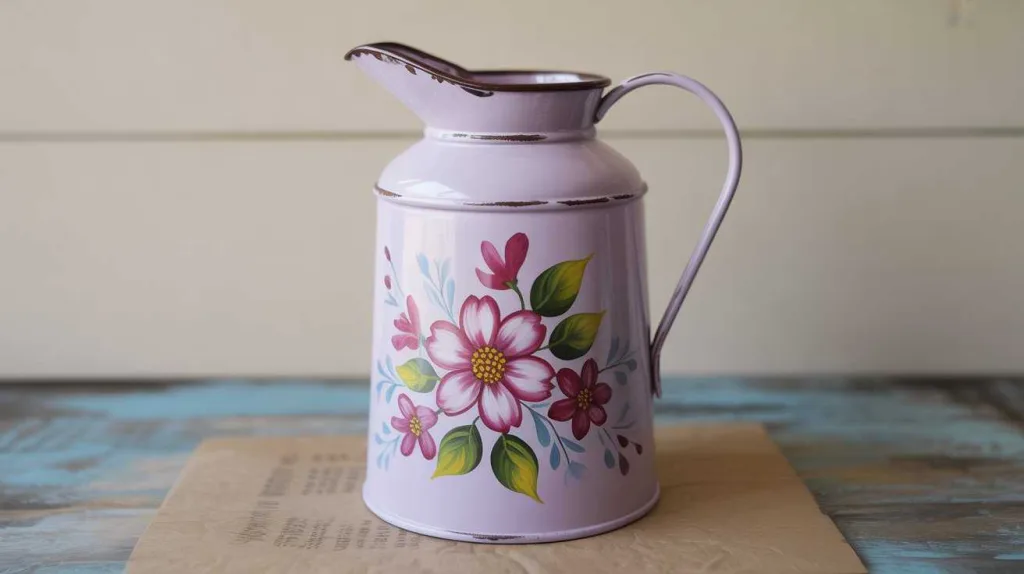
Common Mistakes to Avoid
Even high-quality acrylic paint won’t last on metal if basic preparation or finishing steps are skipped.
Here are the most common problems professionals see—and how to prevent them.
1. Skipping the Primer
Painting directly on bare metal is the fastest way to guarantee peeling.
Primer isn’t optional—it’s what allows the acrylic film to anchor to the surface and block oxidation.
Always choose a metal-safe bonding or rust-inhibiting primer, even for small indoor pieces.
Always verify that your materials are fresh — deteriorated coatings can cause uneven curing. Learn more in dangers of using old paint
2. Ignoring Rust or Residue
Rust, oil, and dirt all weaken adhesion. If you paint over corrosion, the rust will continue to grow beneath the surface, lifting the paint within months.
Use a wire brush, sandpaper, or chemical rust remover before priming.
3. Painting in High Humidity or Cold Temperatures
Acrylic paint needs moderate conditions to cure properly.
Humidity above 70% or temperatures below 50°F (10°C) can trap moisture, leading to blistering or soft spots.
Whenever possible, paint indoors or on a mild, dry day.
4. Applying Heavy Coats
Thick paint layers dry unevenly and often crack once the outer film cures faster than the inner layer.
Instead, apply two to three thin coats, allowing full dry time between each.
This creates a smoother, longer-lasting finish.
5. Using the Wrong Sealer (or None at All)
Acrylic paint is water-resistant but not waterproof.
Without a clear protective topcoat, moisture and UV light will eventually break it down.
Match your sealer to the environment:
- Indoor use: water-based polyurethane or acrylic varnish.
- Outdoor use: solvent-based enamel or UV-resistant polyurethane.
6. Touching Cleaned Metal with Bare Hands
Oils from skin can act like a release agent under paint, causing bubbles or peeling.
Always wear nitrile gloves when handling prepped metal surfaces.
7. Rushing Between Coats
Each layer of primer, paint, and sealer needs proper curing time.
If you apply new layers too soon, solvents get trapped, leading to wrinkling or cloudiness in the finish.
Follow manufacturer dry-time recommendations carefully—patience equals durability.
8. Forgetting Long-Term Maintenance
Even the best paint job needs care.
Wipe surfaces occasionally, reseal every few years (for outdoor metal), and inspect for chips early.
Prompt touch-ups prevent corrosion from spreading beneath the paint film.
Environmental Tip & Safe Paint Disposal
Acrylic paint and metal primers are water-based but still contain binders and resins that shouldn’t go down the drain.
When cleaning brushes or disposing of leftovers, always follow environmental guidelines. Allow paint waste to dry in an open container before discarding, or drop it off at your local recycling or hazardous-waste collection center. When cleaning brushes or working indoors, ensure fresh air circulation — see our guide on paint fumes safety and ventilation
For official guidance, visit the EPA’s Paint Waste Management Page for safe and compliant disposal methods.
By handling materials responsibly, you protect both your home and the environment — and ensure your next paint project starts clean.
Final Thoughts
So, can you use acrylic paint on metal?
Absolutely — if you do it the right way.
Clean the surface, sand it lightly, apply a strong bonding primer, paint in thin even coats, and seal with a UV-resistant finish.
That simple five-step process turns a quick DIY project into a professional-quality result that lasts for years, indoors or out.
Whether you’re restoring furniture, creating metal artwork, or repainting a door, the key is preparation and protection.
At PaintLogs, we test, verify, and share techniques that work — so you can skip the guesswork and get results that look good and hold up beautifully.
FAQs
1. Can you use acrylic paint on metal?
Yes — as long as you clean, sand, and prime the surface first. Acrylics bond well to primed metal and can last for years when sealed with a clear protective topcoat.
2. Will acrylic paint stick to metal without primer?
Not reliably. Bare metal is too smooth for proper adhesion. A bonding or self-etching primer creates the texture and chemical bridge acrylic paint needs to stay attached.
3. How do you prepare metal before painting with acrylic paint?
Remove grease with detergent or acetone, sand lightly with 120–220 grit paper, wipe clean, and apply a metal-safe primer. Good prep prevents peeling and corrosion later.
4. What kind of primer should I use for acrylic paint on metal?
Use a bonding, self-etching, or rust-inhibiting primer depending on the metal type.
Examples: Rust-Oleum Universal Bonding Primer, Zinsser Bulls Eye 1-2-3, or SEM Self-Etching Primer.
5. How do I seal acrylic paint on metal?
After the final coat dries for at least 24 hours, brush or spray on two light coats of a clear acrylic varnish, polyurethane, or enamel sealer to protect against moisture and UV.
6. How long does acrylic paint last on metal surfaces?
Typically 5–10 years indoors and 2–5 years outdoors with proper prep, primer, and sealer. Regular maintenance and re-sealing can extend that lifespan.
7. Can you use acrylic paint on outdoor metal furniture or doors?
Yes. Always pair it with a rust-inhibiting primer and a UV-resistant clear enamel. Gloss or semi-gloss finishes shed water better than matte paints outdoors.
8. Can acrylic paint be used on jewelry or small metal crafts?
Absolutely. Degrease with rubbing alcohol, apply a thin bonding primer, paint with acrylics, and finish with a hard polyurethane spray to resist skin oils and wear.
9. What’s the best acrylic paint for metal?
Use high-quality artist or industrial-grade acrylics such as Liquitex Heavy Body, Golden Fluid Acrylics, or any acrylic enamel formulated for metal. They provide stronger adhesion and colorfastness than basic craft paints.
10. Can I spray acrylic paint on metal?
Yes. HVLP sprayers or aerosol acrylics give smoother results than brushes. Apply several thin coats and follow with a clear sealer once the paint fully cures.
11. How do I fix peeling or flaking acrylic paint on metal?
Scrape off loose paint, sand the area to bare metal, clean thoroughly, re-prime, and repaint. Avoid painting over damaged sections — it won’t bond properly without prep.