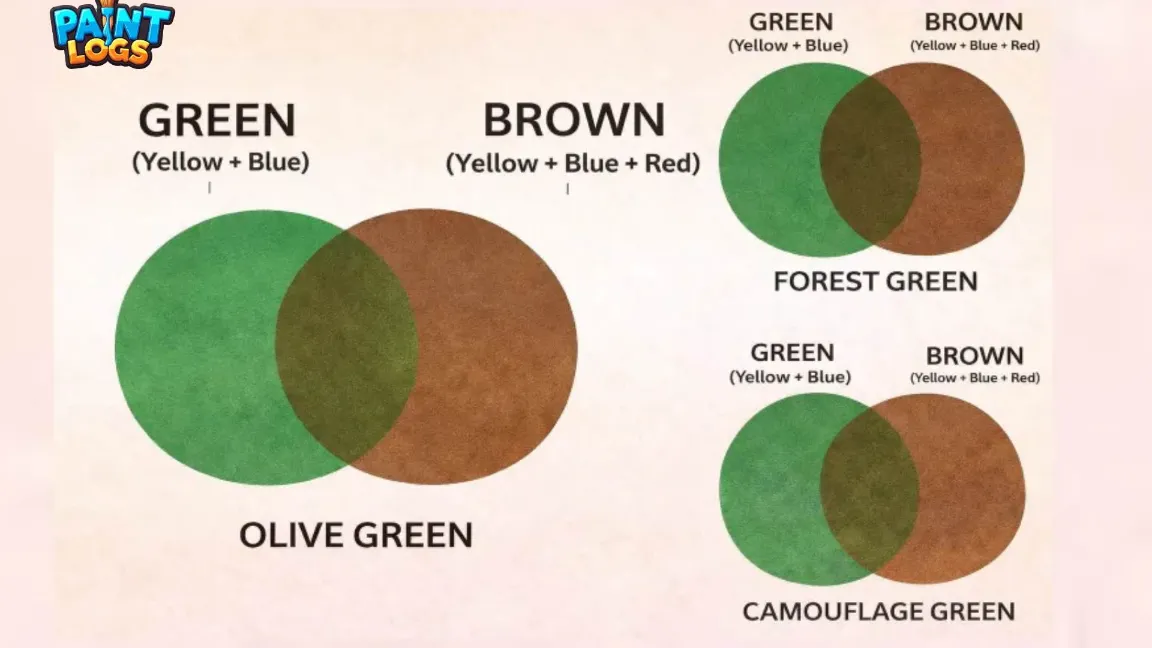
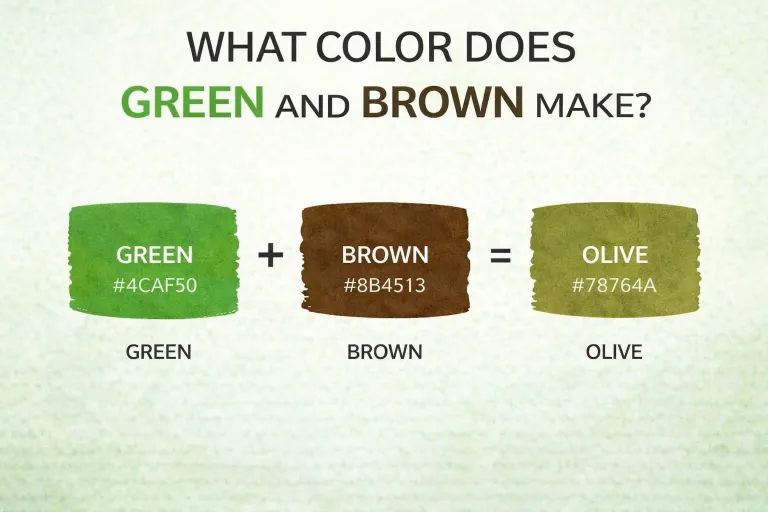
What Color Do Brown and Green Make? When brown and green are mixed, they usually make earthy shades like olive green, khaki, or dark green. Color mixing is important in art, design, fashion, and decoration because different color combinations create different looks and feelings. Brown and green are natural colors, so when they are mixed, they give calm and grounded results.
Understanding how these two colors interact will provide you with the knowledge to use them effectively in your projects, whether you’re painting a landscape, decorating a room, or picking out an outfit.
This guide explores the outcomes of mixing brown and green, looking at the variety of shades you can achieve, how they’re used in different fields, and how to incorporate these colors into your designs. From bold forest greens to softer olive hues, you’ll discover how mixing these natural tones can open up a world of creative possibilities.
What Happens When You Mix Brown and Green?
Brown + Green = Muddy, Dark green, Olive green, Khaki, or a rich Brown-toned green
Mixing brown and green typically results in a muted, earthy tone, often leaning towards a darker or more subdued green. The resulting color varies depending on the ratio of each color used, but the overall outcome is usually a deeper, nature-inspired shade. The combination tends to evoke earthy, organic colors that remind us of moss, forests, and foliage.
The exact shade produced can range from a brownish-green to a forest-like green, depending on the depth of the colors involved. Generally, the more brown you use, the darker and more neutral the result will be. If the green is dominant, you may achieve a more vibrant, mossy green.
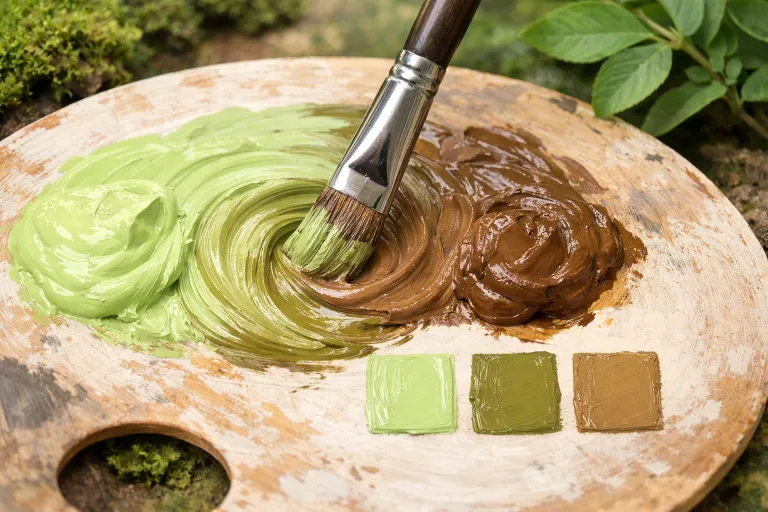
Mixing Light Green and Brown: What Color Does This Make?
When you mix light green with brown, the resulting color is often a subtle, muted olive or khaki tone. This combination creates a softer, more neutral green that feels less intense but still retains a natural, earthy quality. The tone produced is ideal for creating a more understated, calming effect in design or decor.
Light green, being a less saturated shade of green, will blend more easily with brown, yielding a color that feels balanced and natural, reminiscent of fresh leaves or soft moss.
| Green Shade | Brown Shade | Resulting Color |
|---|---|---|
| Light Green | Brown | Muted Olive/Kahki |
| Pastel Green | Brown | Warm Khaki |
| Yellow-Green | Brown | Light Olive |
Mixing Dark Green and Brown: What Color Does This Make?
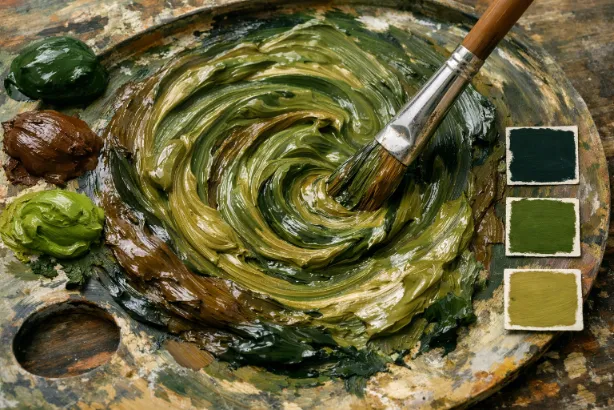
When dark green is mixed with brown, the result is typically a deeper, richer green with brown undertones, often referred to as forest green. This combination evokes the feeling of dense woodlands, creating a color that is bold, grounded, and earthy. Dark green with brown produces a shade that is ideal for nature-inspired projects where depth and richness are desired.
This color can be used effectively to create a sense of warmth and stability in design, often seen in rustic decor, nature-themed artwork, and even in clothing.
| Green Shade | Brown Shade | Resulting Color |
|---|---|---|
| Dark Green | Brown | Forest Green |
| Olive Green | Brown | Dark Olive |
| Blue-Green | Brown | Teal Forest |
The Influence of Different Green Tones on the Mixture
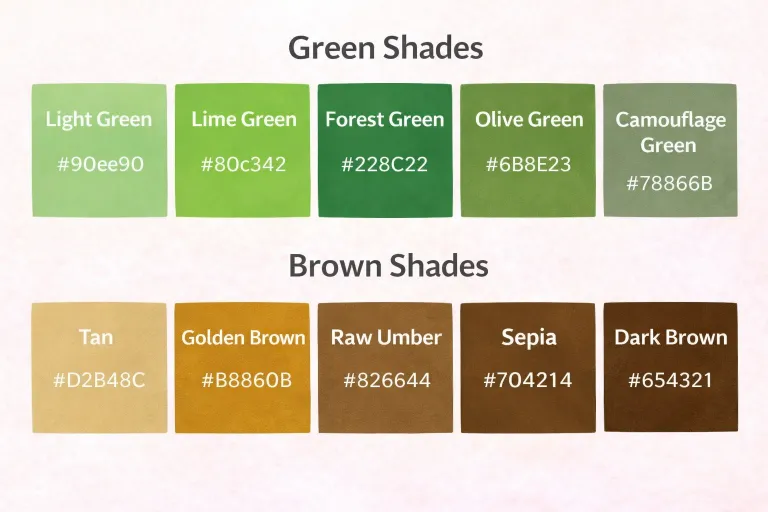
The shade of green you use will significantly affect the final outcome when mixed with brown. Here are a few examples of how different shades of green can shift the results:
Lime Green and Brown:
- Mixing lime green with brown creates a vibrant, yellowish-brown shade that feels energetic and fresh. This combination adds a playful, bright feel while still maintaining an earthy, grounded appearance. It’s great for designs that require an uplifting or vintage-inspired look.
Olive Green and Brown:
- Mixing olive green with brown results in a muted, earthy shade that’s perfect for rustic, military-inspired, or nature-themed designs. The resulting color feels more subdued, creating a calm and grounded tone that works well in both interior design and fashion.
Blue-Green and Brown:
- Combining blue-green with brown produces a cooler tone, often resulting in a muted teal or a forest-like shade. This combination creates a sophisticated, calming color that is perfect for serene, peaceful environments. Whether used in home decor or art, this mix evokes a sense of tranquility.
Summary Table: Mixing Different Shades of Green with Brown
| Green Shade | Brown Shade | Resulting Color |
|---|---|---|
| Lime Green | Brown | Yellowish-Brown |
| Olive Green | Brown | Muted Earthy Brown |
| Blue-Green | Brown | Muted Teal/Forest Green |
Does Mixing Green and Brown Make a Natural Eye Color?
Interestingly, the mixing of green and brown also plays a role in the appearance of hazel eyes. Hazel eyes are a natural blend of green and brown tones, and many people with this eye color have a combination of both. The green adds brightness, while the brown adds depth, creating a warm, inviting hue.
This is a perfect example of how natural eye colors can often reflect the same earthy tones created by mixing brown and green. The resulting effect in eyes is a beautiful brown-green mixture, often with varying intensities of both colors.
What Color Does Brown, Blue, and Green Make?
When you mix brown, blue, and green, you typically get a dark, muted green or a grayish-brown. This combination creates a grounded, earthy tone that works well for nature-inspired or organic designs. The inclusion of blue shifts the mix toward a cooler, more subdued shade of green, creating a tone that can range from deep teal to muddy olive.
The balance of each color will determine the exact shade, but in general, the result is a muted, sophisticated color that feels calm and natural, making it suitable for interior design or art where subtlety is key.
Understanding the Color Mixing Process
To understand why green and brown make the colors they do, it’s helpful to look at the color models used in different mediums. Each color mixing process—whether traditional painting, digital design, or printing—can produce slightly different results. Here’s a breakdown of how brown and green mix in various color models:
RYB Color Model (Red, Yellow, Blue)
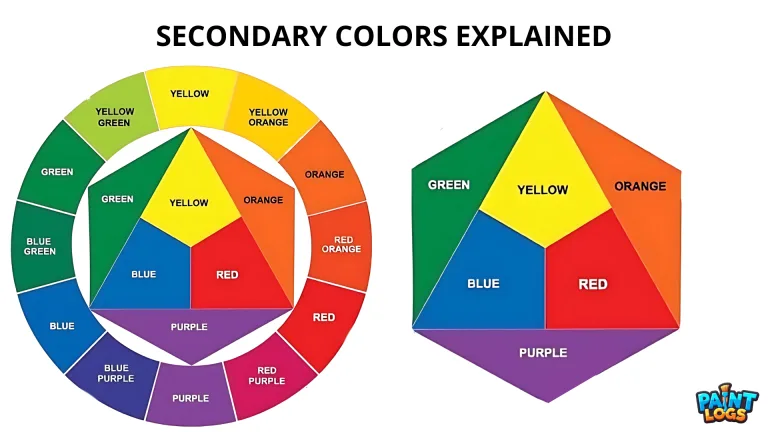
The RYB model is most commonly used in traditional painting and artwork. In this model, brown is created by mixing all three primary colors (red, yellow, and blue). When you add green (a secondary color formed from blue and yellow), the resulting mix leans towards earthy greens or olive tones. The more brown you add, the deeper and more muted the color becomes.
When working with acrylic paints or watercolors, mixing brown and green within the RYB system results in dark greens or muddy olive shades, ideal for nature-inspired themes or earthy designs.
RGB Color Model (Red, Green, Blue)
The RGB model is used for digital color mixing, primarily in screens and digital media. Mixing brown and green on a screen creates a more vibrant, cooler tone compared to traditional painting. Since brown doesn’t exist as a pure color in light (it’s a mix of all three primary colors), the results often look muddier or more muted than in the RYB model.
In digital art or design, when mixing green with a shade of brown (created using digital colors like red, green, and blue), the result can lean towards a teal or grayish green, depending on the specific combination of colors.
CMYK Color Model (Cyan, Magenta, Yellow, Key)
The CMYK model is used for printing and produces results that are more subtractive than additive color models like RGB. In this model, colors are created by subtracting varying amounts of light, so mixing brown and green results in deeper, richer earth tones. The brown and green mixture tends to produce forest greens or grayish-brown shades, perfect for printing natural or outdoor imagery.
The CMYK model is ideal for printing, where the colors need to be adjusted based on ink formulations. For printing purposes, brown and green are commonly used together in landscape art, nature photography, and environmental designs.

Practical Uses of Brown and Green in Design
The combination of brown and green is incredibly versatile and can be used across various creative fields. Let’s explore how these colors are applied in different areas, from fashion to art and interior design.
Interior Design
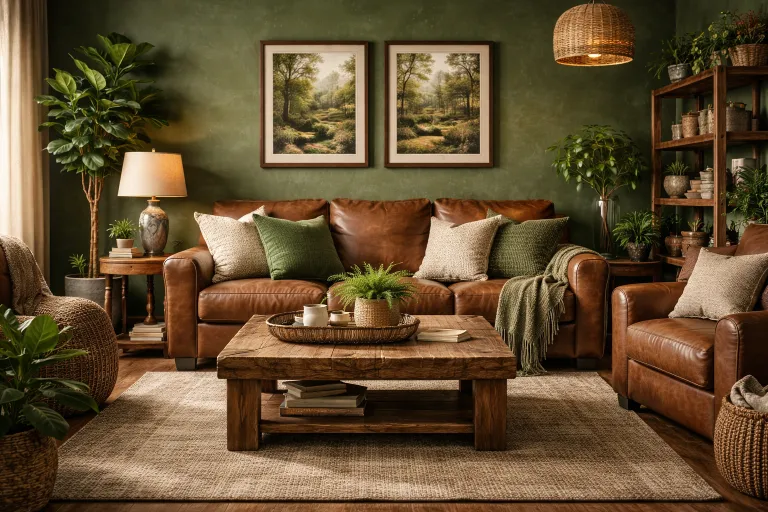
Green and brown are both colors associated with nature, so they work well together in creating a calming, earthy atmosphere in home decor. Forest green walls, paired with brown furniture or wooden accents, create a grounded, natural feel in any room. These colors can evoke a sense of being in a woodland or garden, making them perfect for creating cozy, relaxing spaces like living rooms, bedrooms, or offices.
When using brown and green in interior design, it’s important to consider the tone and intensity of the colors. For example, dark forest green walls paired with light brown wood can add a rich, earthy vibe, while a lighter olive green combined with soft brown tones creates a more airy and natural feel.
Fashion
The combination of brown and green in fashion creates an earthy, grounded palette. This combination works well in bohemian or rustic styles, where natural tones are preferred. Green dresses paired with brown accessories, or olive green jackets with brown boots, create a chic yet laid-back look.
Brown and green can also be used in outdoor or military-inspired fashion. Olive green pants or jackets, with brown boots or leather bags, are both stylish and functional, perfect for both casual outings and rugged activities.
Art
In the world of art, the mixture of brown and green is frequently used to depict natural landscapes and earthy scenes. When artists want to create representations of forests, moss, earth, or trees, they often rely on brown and green to create a realistic effect. The dark green mixed with brown can mimic the deep foliage of forests, while lighter greens can represent mossy rocks or verdant grass.
Additionally, brown and green are useful in creating textures and shading. Brown can add depth and warmth to a green landscape, creating a more realistic and vibrant scene.
Color Psychology: What Does Brown and Green Represent?
Color psychology plays a significant role in design and aesthetics. Brown and green are both colors that evoke feelings of earthiness, stability, and growth. Here’s a breakdown of what these colors represent:
Brown Color Psychology
- Earthiness: Brown is often associated with the earth and grounding. It represents stability, reliability, and support. Brown tones can make people feel secure and calm. It’s a neutral color that blends well with other shades to create a warm, welcoming atmosphere.
- Warmth: Brown is a warm color that evokes feelings of comfort and security. It’s the perfect tone for creating cozy environments and is often used in home decor and fashion.
Green Color Psychology
- Growth and Renewal: Green is the color of nature and is often linked to growth, freshness, and new beginnings. It represents life and balance, bringing a sense of calm and relaxation.
- Freshness: Green is a soothing color that has a refreshing effect on the mind. It’s commonly used to represent health and well-being and is often associated with calmness and healing.
Combined Meaning
When combined, brown and green create a harmonious balance. This color pairing is symbolic of nature and earth, evoking a sense of peace, harmony, and balance. Together, these colors encourage feelings of growth, stability, and grounding, making them ideal for creating tranquil and organic spaces, designs, and artwork.
How to Adjust the Mix: Add White, Black, or Yellow
Once you’ve created your brown and green mixture, you can adjust the color further by adding other colors such as white, black, or yellow. These adjustments can alter the tone and intensity of the result, allowing for more flexibility in your design.
White:
- Effect: Adding white lightens the mixture, creating softer, pastel-like versions. The color becomes less intense and more subtle.
- Result: Light olive green, cream-like brownish-green.
Black:
- Effect: Adding black darkens the mixture, creating richer, deeper tones. This is perfect if you want to create a more dramatic or moody look.
- Result: Dark forest green, deep brownish-green.
Yellow:
- Effect: Adding yellow can introduce a warmer tone to the mixture, creating earthy yellow-browns or olive hues. This adds a subtle vibrancy.
- Result: Olive green, mustard brown.
Brown and Green with Other Colors: What Color Do They Make?
Now, let’s explore how brown and green mix with other colors to create a wide range of tones. Mixing these two with additional hues opens up a variety of possibilities, which can be incredibly useful for design, art, and fashion. Below are some common combinations and the results they produce.
Brown, Green, and Yellow
When you mix brown, green, and yellow, the result is usually a mustard or yellowish-brown color. This combination gives you an earthy, warm tone that evokes a rustic or vintage feel. It’s perfect for creating autumn-inspired color palettes, particularly in interior design and fashion.
- Result: Mustard yellow-brown, earthy yellow tones.
- Use: Ideal for retro design, rustic interiors, or fall fashion.
Brown, Green, and Red
Mixing brown, green, and red produces a rusty brown or deep earthy red. This combination is reminiscent of autumn leaves or natural landscapes, where brown and green are mixed with the richness of red. It adds a warm, earthy tone perfect for fall themes or bold statement pieces in art or design.
- Result: Rusty brown, deep earthy red.
- Use: Works well for autumn-themed decor, nature-inspired art, or earthy designs.
Brown, Green, and Blue
When brown, green, and blue are mixed, the result is a rich teal or grayish-blue. This combination creates a cooler tone that still retains an earthy, grounded quality, making it perfect for serene, tranquil designs. Whether you’re designing for a peaceful home environment or creating natural landscape art, this mix evokes feelings of calm and balance.
- Result: Rich teal, muted grayish-blue.
- Use: Ideal for serene interiors, outdoor-themed art, and calm design schemes.
Brown, Green, and Purple
The mix of brown, green, and purple often creates a mossy green or muted purple-brown shade. The purple adds a touch of mystery and depth, while the brown and green provide grounding and warmth. This combination works well in both earthy designs and whimsical art, creating an organic yet slightly fantastical feel.
- Result: Mossy green, muted purple-brown.
- Use: Perfect for whimsical art, nature-inspired designs, or vintage fashion.
Brown, Green, and Orange
Mixing brown, green, and orange results in a burnt orange-brown color, which mimics the vibrant tones of fall foliage. This combination adds a warmth and vibrancy that can bring any space or design to life. It’s ideal for autumn-themed decor, rustic interiors, or even bohemian fashion.
- Result: Burnt orange-brown.
- Use: Great for fall decor, bohemian designs, or warm, earthy fashion.
Brown, Green, and White
When brown, green, and white are combined, the result is typically a light olive or cream tone. The white lightens the mix, creating a soft, subtle version of green and brown that works beautifully in more delicate designs. It’s perfect for creating airy, natural spaces, or light, fresh fashion looks.
- Result: Light olive green, cream-like brownish-green.
- Use: Ideal for soft decor, minimalist designs, or fresh spring fashion.
Brown, Green, and Pink
Adding pink to the brown and green mix results in a blush olive or muted brown-pink color. This combination creates a softer, more romantic tone, perfect for vintage or whimsical designs. Whether used in art, interior design, or fashion, this mix gives off a gentle, feminine feel.
- Result: Blush olive, muted brown-pink.
- Use: Works well for romantic themes, vintage decor, or soft, feminine fashion.
Conclusion
The combination of brown and green opens up a wide range of creative possibilities. From earthy olive greens to deep, forest-like shades, this mix is incredibly versatile and perfect for designs that draw inspiration from nature. Whether you are working on an art piece, planning your home decor, or choosing colors for a fashion statement, understanding how brown and green interact will allow you to create harmonious, grounded designs that feel connected to the natural world.
Moreover, mixing brown and green with other colors like yellow, red, blue, or purple provides even more diverse outcomes, expanding your creative options. These colors can evoke feelings of earthiness, growth, warmth, and balance, making them ideal for a variety of design projects.
By experimenting with different ratios and combinations, you’ll discover the full potential of brown and green, unlocking new shades and hues that work seamlessly with your creative vision.
FAQs – Brown and Green Color Mixing
What happens when you mix brown and green?
Mixing brown and green typically results in earthy, muted tones like forest green or brownish-green. The final shade depends on the proportions used.
Can brown and green create a natural eye color?
Yes! The combination of brown and green often results in hazel eyes, a natural eye color with brown and green elements.
What color does brown, green, and yellow make?
Mixing brown, green, and yellow creates a mustard or yellowish-brown tone, perfect for vintage or retro designs.
How do you mix brown and green for a muted shade?
To create a muted, earthy tone, mix more brown into green. This will produce a dark olive or brownish-green shade.
What is the result of mixing brown, green, and purple?
This mix creates a mossy green or muted purple-brown, giving off an earthy yet slightly whimsical vibe.
Can you mix brown and green for a soft color?
Yes! Mixing brown and green with white will give you a lighter, cream-like tone, perfect for soft and subtle designs.
What color do brown, green, and orange make?
Combining these three colors results in a burnt orange-brown, which is great for autumn and earthy designs.
Does brown and green make a good combination for fashion?
Yes! Brown and green work well in bohemian or rustic styles, creating grounded, earthy looks in clothing and accessories.
Can you make green from brown and yellow?
Yes, by mixing brown and yellow, you can create an earthy green shade that’s ideal for natural designs.
What happens when you mix brown and green with blue?
The result is usually a rich teal or grayish-blue, perfect for creating serene and calming spaces.
What is the best way to mix brown and green for nature-inspired art?
For nature-inspired art, start with dark green and gradually add brown for a forest-like tone, ideal for trees and foliage.
How do different shades of green affect the brown and green mix?
Lighter greens, like lime, create brighter, yellowish-brown tones, while darker greens produce deeper, richer earth tones