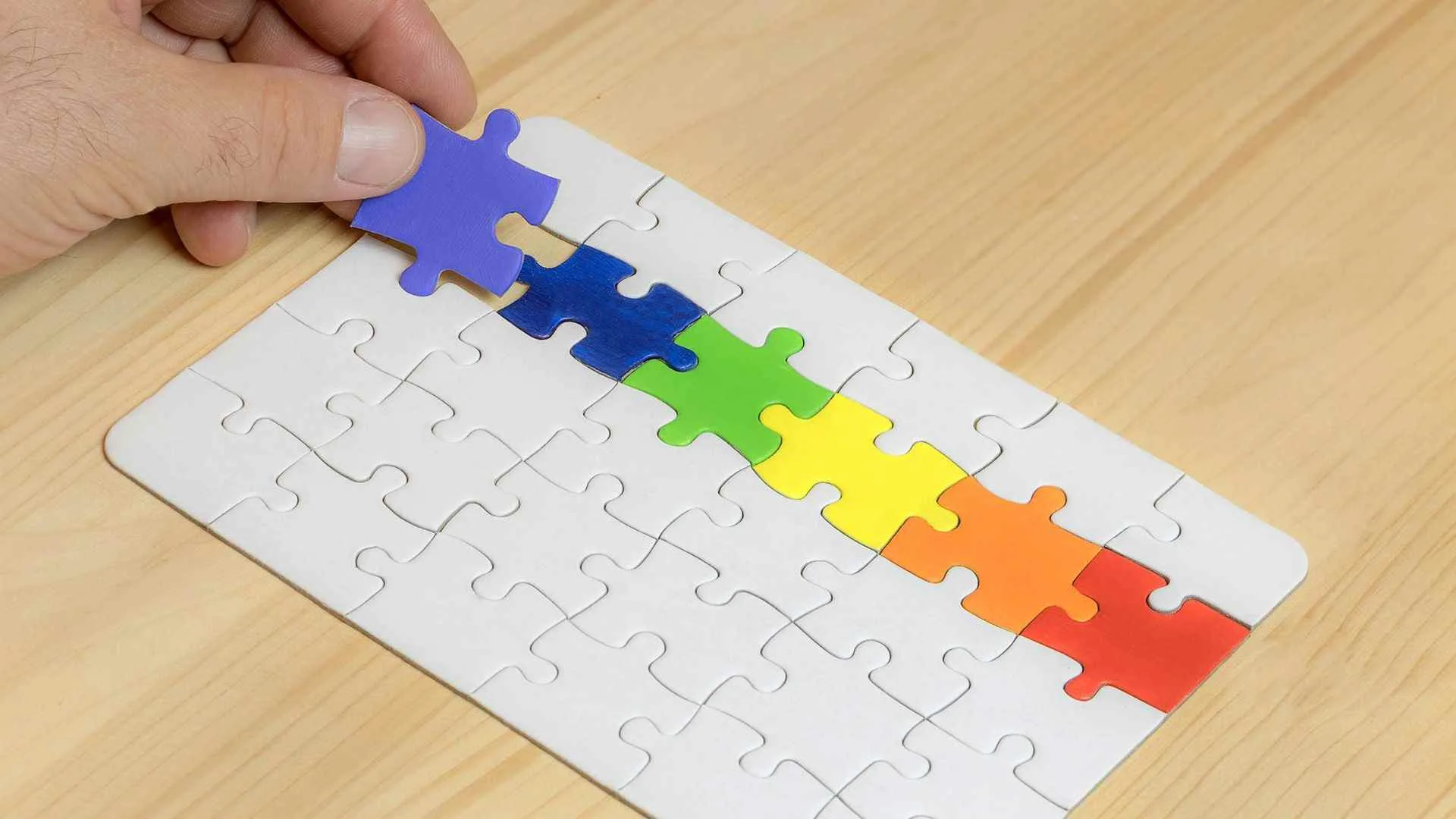
Puzzles have been a beloved pastime for ages. Whether it’s a traditional jigsaw puzzle, a crossword, or a digital game, puzzles not only provide entertainment but also exercise the brain.
Recently, many puzzles and color mixing games have been launched that provide great fun and creativity. But what exactly does color mixing do to make puzzles even more interesting? And how does it help develop our cognitive skills?
We will explore how color mixing in puzzles can increase your gaming experience while sharpening your mind.
Types of Puzzles That Use Color Mixing
There are countless puzzle types out there, and color mixing has found its way into many of them. Let’s take a look at some of the most popular:
Jigsaw Puzzles
You’ve probably enjoyed the classic jigsaw puzzle, where you fit pieces together to complete an image. But today’s jigsaw puzzles are very much evolving. Some of such games now require you to match colors in a gradient that pushes you to identify how different shades look when you blend them together.
It’s no longer that you just fit the pieces but now it’s about understanding how color relationships work. So, This makes the things interesting as the game gets a bit complex and exciting at the same time.
Color Puzzle Games
There are many free puzzles Games like Monument Valley and Color Zen that have taken color mixing to a whole new level. In these puzzles, players mix and manipulate colors to solve puzzles or unlock new levels. By blending primary colors like red, blue, and yellow, you can create new shades like green, purple, or orange. So, You feel like an artist and a puzzle master at the same time!
Educational Color Puzzles
For younger audiences or anyone who wants to learn about color theory, there are various types of educational puzzles are designed that teach the basics of color mixing. These games mainly focus on matching colors or creating specific hues, which is helpful for players to understand the amazing science behind color relationships. Whether it’s a simple matching game or a difficult color-based challenge, these puzzles are both fun and educational.
The Science Behind Color Mixing in Puzzles
Color mixing is not just fun it’s based on real-world color theory. Now, we will look into its science:
Primary and Secondary Colors
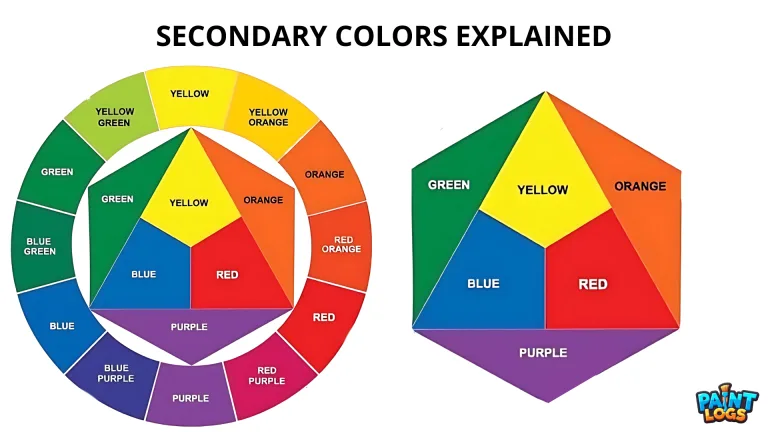
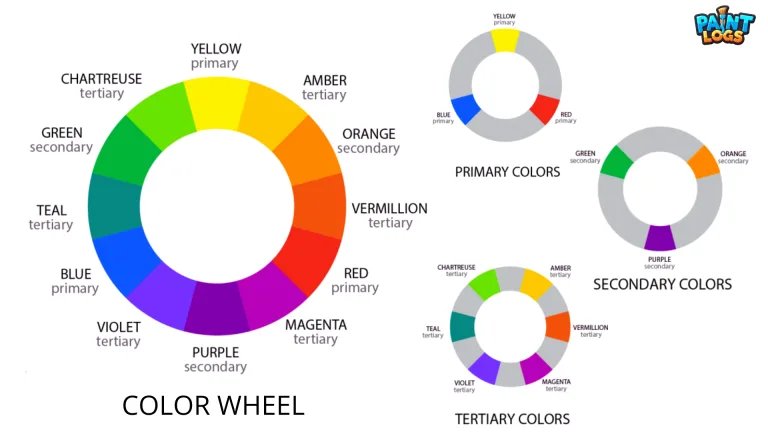
For color mixing, the primary colors like red, blue, and yellow are the main characters. When you mix these colors together, they form secondary colors like green, purple, and orange.
Many puzzle games use this principle to challenge players like they ask them to mix these colors to solve puzzles. So, if you have the understanding how these colors interact, you can easily master the puzzles.
The Color Wheel
The color wheel is a tool that shows how different colors relate to each other. It’s essential for mixing colors harmoniously. In color-based puzzle games, the color wheel can help guide players to make combinations that not only work but look great too.
Color Harmonies in Games
Some puzzles usually depend on color harmonies like combinations of colors that naturally fit well for each other. For example, blue and orange are opposite to each other on the color wheel, but they create a vibrant contrast when you use them together. Color-mixing puzzle games often use these harmonies to make the puzzles to look appealing from a visual point of view.
How Color Mixing Challenges Cognitive Skills
Color mixing isn’t just about looking pretty—it also exercises your brain. Here’s how these puzzles challenge your cognitive abilities:
Visual Discrimination
Color mixing puzzles require you to identify between different shades and hues. This helps the players to their improve visual discrimination which is a skill that is important in everyday tasks like reading, navigating, or identifying objects. The more you practice, the better you will become at noticing even small differences in color.
Problem-Solving Skills
There are many color-mixing puzzles that require you to think logically and creatively. You need to figure out how to combine colors in the right way to solve a challenge or move forward in the game. This strengthens your problem-solving skills and helps you think critically, and these skills are useful not only in games but in real-life situations too.
Memory and Recall
Some color puzzles want you to remember patterns or steps taken earlier in the game. This can help increase your memory and recall, and these abilities are important for learning and everyday functioning.
The Role of Color in Puzzle Aesthetics
Beyond cognitive benefits, color plays a major role in how we experience puzzles. It affects the way we feel and how immersed we become in the game.
Emotional Impact of Colors
Different colors evoke different emotions. For example, blue is usually calming color, while red is energizing. Puzzle designers use this knowledge to create a certain mood or atmosphere. Color isn’t just for aesthetics, it can increase the emotional depth of the game.
Visual Satisfaction
There’s something deeply satisfying about watching colors come together perfectly in a puzzle. When you mix colors just right and see the desired result, it feels like a small victory. These moments of completion are rewarding, pushing you to keep going and win the next challenge.
Popular Color Mixing Puzzle Games
Many games feature color mixing as a key mechanic. Here are some that have gained popularity:
Monument Valley
In Monument Valley, players manipulate colors and light to navigate through a surreal world. The game uses color gradients and mind-bending puzzles to create a visually stunning and enagaing experience that heavily depends on color mixing.
Color Zen
In Color Zen, players mix colors to create balanced combinations and unlock new levels. The game is relaxing but challenging at the same time, thanks to its simple mechanics and beautiful visuals. It is the perfect blend of color and puzzle-solving.
Hue
In Hue, players explore a black-and-white world, gradually adding color by collecting colored segments. The game’s color mixing mechanics are integral to the gameplay, making it both a visual treat and a puzzle challenge.
How Color Mixing Benefits Cognitive Development
While puzzles are fun, they also serve an important educational purpose. The color mixing aspect helps players develop essential cognitive skills:
Creativity
Color mixing puzzles encourage creative thinking. Players need to experiment with different color combinations to solve challenges. This process provides creativity and out-of-the-box problem-solving, both of which are important in everyday life.
Attention to Detail
In color-based puzzles, you need to pay close attention to small variations in color. This sharpens your focus and helps develop an eye for detail. This is a skill that is very useful in many aspects of life, from designing to problem-solving.
Spatial Awareness
In some color puzzles, you need to understand how colors fit together in a larger design or pattern. This strengthens spatial awareness, a critical skill in fields like architecture, design, and even daily tasks like organizing your space.
Conclusion: The Future of Color Mixing in Puzzle Games
As technology keeps advancing, color mixing will keep playing even bigger role in the world of puzzles. The combination of art, science, and problem-solving creates a very engaging experience that keeps players coming back for more. Whether through digital games, traditional jigsaw puzzles, or space puzzles, color mixing increases both the cognitive and aesthetic aspects of gaming.
The future of color mixing in puzzles looks bright. It will offer exciting challenges and opportunities for players of all ages. With more games adapting to the power of color, the world of puzzles will continue to evolve, and will keep providing fresh and engaing experiences.
FAQs
What is color mixing in puzzles?
Color mixing in puzzles involves combining primary colors to create new shades, enhancing puzzle complexity.
How do color mixing puzzles benefit cognitive skills?
These puzzles improve visual discrimination, problem-solving, and memory by challenging players to think critically.
Which games feature color mixing puzzles?
Popular games like Monument Valley and Color Zen use color mixing mechanics to solve puzzles.
How does color mixing improve creativity?
Color mixing puzzles stimulate creative thinking by encouraging players to experiment with different color combinations.
Why is color theory important in color mixing puzzles?
Color theory helps players blend colors harmoniously, making puzzles more engaging and visually appealing.