
There are plenty of creative hobbies out there, but watercolor painting has a few things going for it that most don’t. It’s cheap to start, takes up almost no space, and you can actually make something decent in your first sitting. That last part matters more than people give it credit for.
Unlike oil painting, which requires solvents and long drying times, or acrylics, which dry fast enough that blending becomes a race, watercolors work with you. The colors spread and layer in ways you don’t fully control, and that’s kind of the point. You’re not fighting the medium. You’re nudging it.
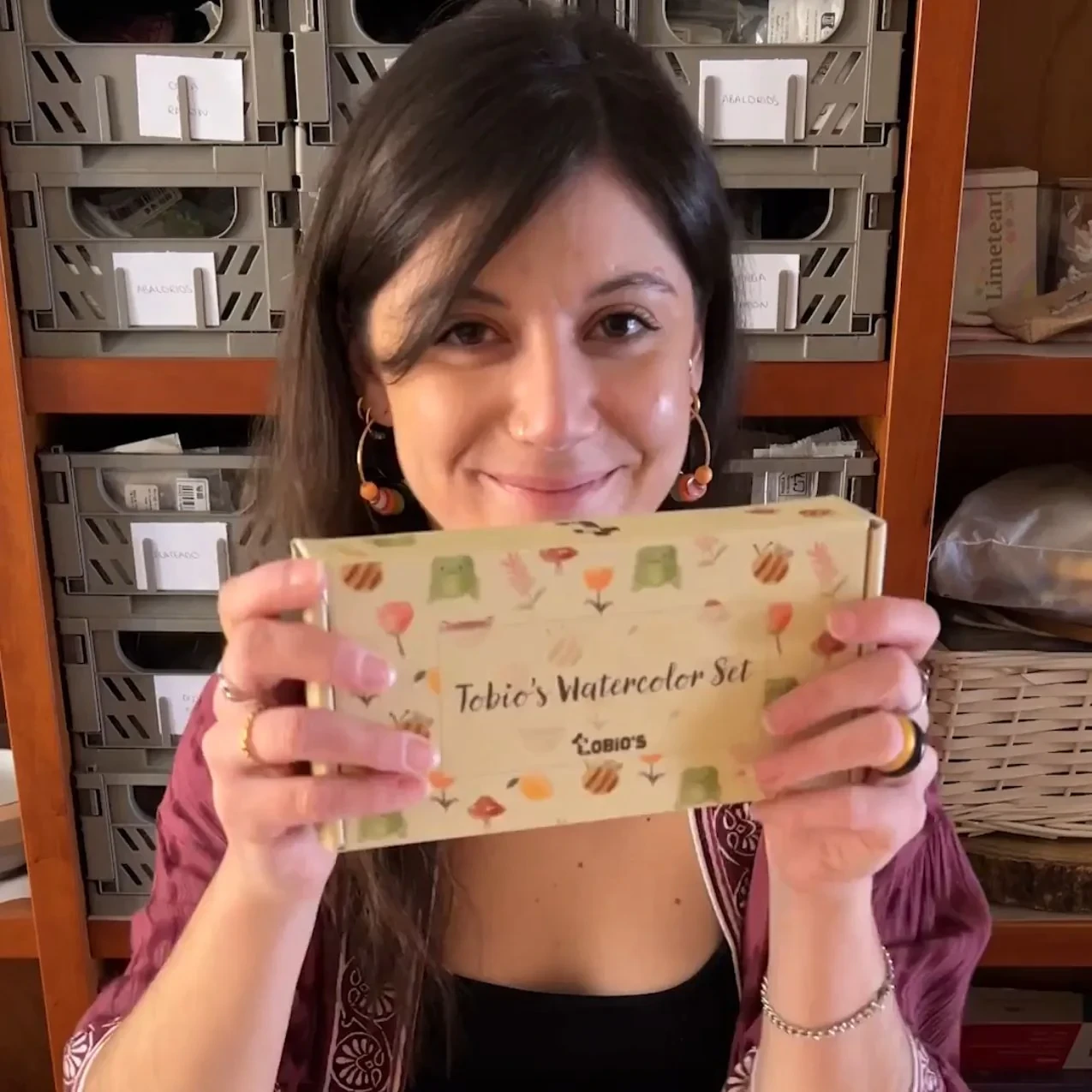
Watercolor Painting is one of the most affordable art forms
Cost is the first thing people worry about with a new hobby, and watercolor is about as low-risk as it gets. You need paints, a couple of brushes, watercolor paper, and water. That’s genuinely the whole list.
A beginner setup fits easily on a kitchen table and costs a fraction of what you’d spend getting into oil painting or digital art. A good set of watercolor kits will have everything you need, which is useful if you don’t want to research supplies individually before you even know whether you like it.
You don’t need a dedicated studio
Some hobbies take over a room. Woodworking needs a garage. Oil painting does better with ventilation. Watercolors need a surface that fits a piece of paper and somewhere to set a jar of water.
There are no fumes, no harsh chemicals, no special cleanup. When you’re done, everything fits in a small bag or drawer. That makes it workable for apartments, dorm rooms, or anywhere that doesn’t have a spare studio sitting empty.
You can paint anywhere
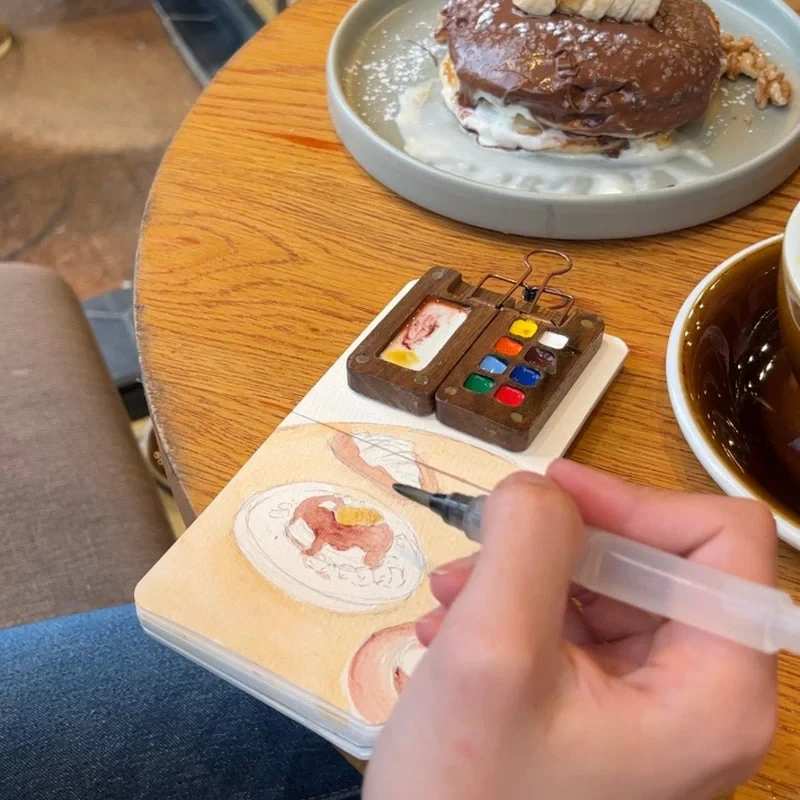
A travel palette, a water brush, and a small sketchbook fit in a backpack without much trouble. You can set up at a coffee shop, a park, a train station. If you’re traveling, you can paint what you see instead of just photographing it, which is a different experience.
Most other painting mediums don’t travel well. Watercolors do.
The learning curve is real but manageable
Watercolors have their own logic that takes some getting used to. They’re translucent, so you work light to dark. The white of the paper is your lightest value, not white paint. Once that clicks, a lot of other things follow.
The wet-on-wet technique is a good place to start. You wet the paper first, then drop in paint and let it spread. The results look better than they should for a first attempt, which helps. From there, flat washes and wet-on-dry are the main things to practice, and they’re straightforward enough to work through in a few sessions.
You don’t need months of drawing practice before you start. The medium rewards experimentation more than precision.
It’s genuinely relaxing
Mixing colors, watching pigment move across wet paper, waiting for a layer to dry before adding another — the process is slow in a useful way. There’s no score, no timer, nothing to optimize. You’re just painting.
A lot of people who pick it up say it becomes the thing they do when they need to decompress. That’s probably because it asks for your full attention without being stressful. You can’t be distracted and paint at the same time, which turns out to be its own kind of relief.
The community is easy to find
Watercolor has a large and active online presence. Tutorial videos, time-lapses, beginner Q&As — there’s a lot of free material available if you want to learn specific techniques or just see how other people work.
Local art stores and community centers sometimes run workshops too, which is useful if you learn better in person. Either way, you’re not stuck figuring it out alone.
Getting started
You don’t need a class or a tutorial queue before you pick up a brush. Get basic supplies, try a few techniques on scrap paper, and see what happens. Paint something simple. A flower, a wash of sky, whatever. The first few sessions are about getting a feel for how the paint behaves.
The thing most people say after they start is that they wish they’d done it sooner. It’s a hobby that stays interesting. What starts as an afternoon experiment can become something you come back to for years.
Grab some paints and a jar of water. That’s all the setup it takes.