How to Maintain Outdoor Metal Greenhouse Frames
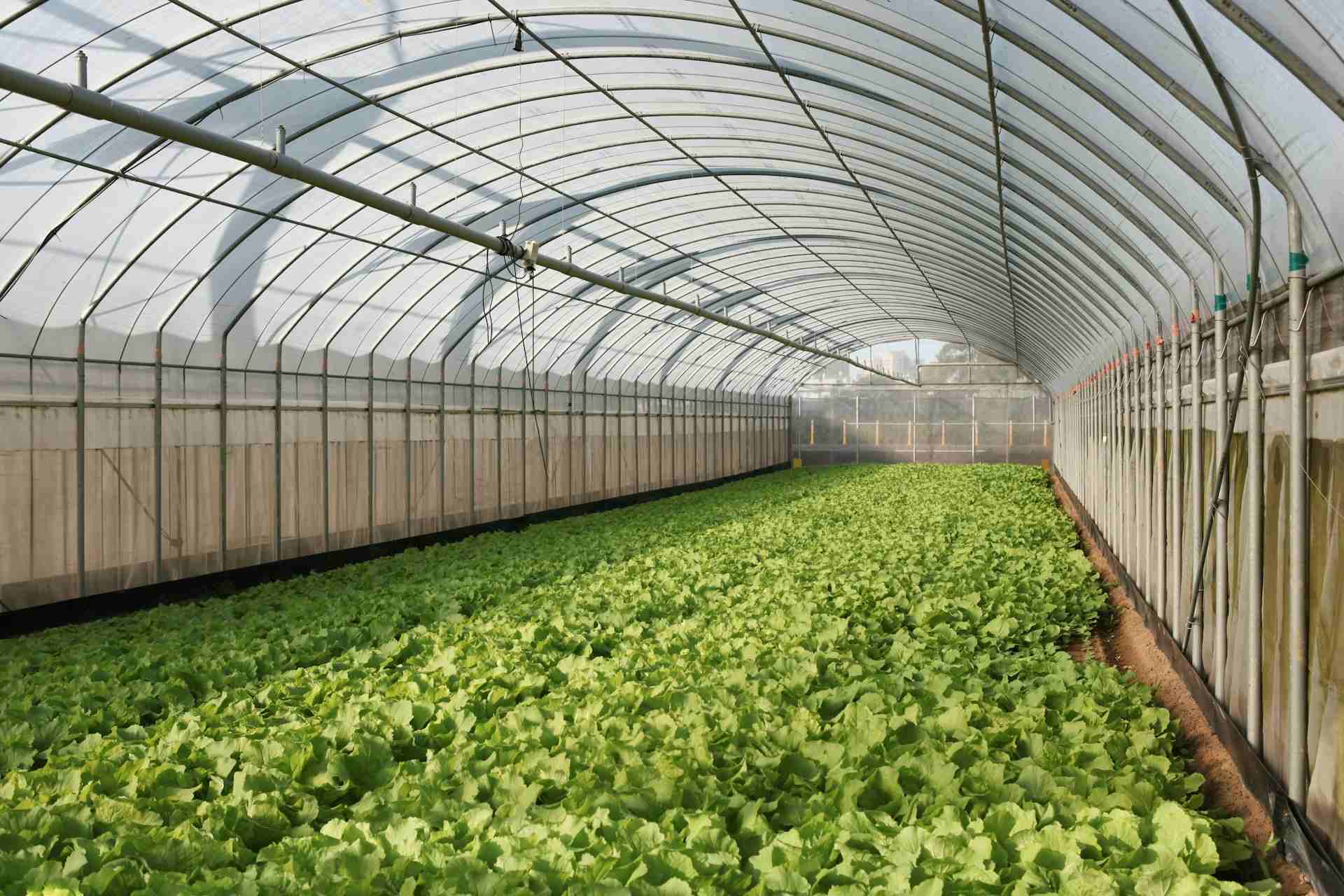
Growing plants inside a protective shelter is a rewarding experience. Your metal frame is the backbone of this setup, shielding crops from harsh outdoor elements. This structure must withstand heavy winds, heavy rains, and changing seasonal temperatures.
Regular care keeps this structure standing strong for many seasons. Simple upkeep routines can save you time and prevent costly damage. A little attention goes a long way in preserving your investment.
Inspecting the Support Structure
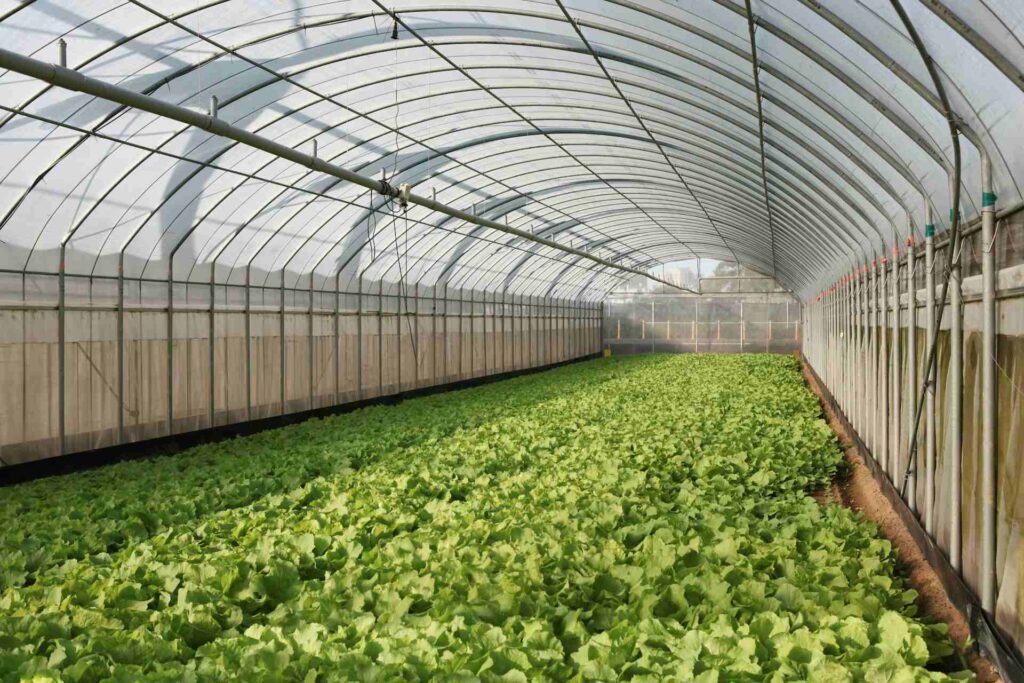
Regular checks are your first line of defense against structural issues. Walk through your greenhouse monthly to spot loose bolts or shifting parts. Pay close attention to the joints where wind causes the most stress.
Small misalignments can lead to bigger structural failures during heavy storms. Upgrading your setup with Rimol helps protect your investment against these weather hazards. Keeping everything aligned prevents uneven weight distribution across the metal components.
Look for areas where metal arches rub against other parts of the frame. Tighten any loose connections to keep the skeleton completely rigid. Doing this simple task keeps your growing space safe throughout the year.
Managing Humidity and Wet Surfaces
The air inside a growing space is naturally humid. High humidity settles on cold metal surfaces and turns into liquid water drops. This constant wetness poses a major threat to your steel framing.
Internal humidity levels change throughout the day depending on your watering schedule. A published study explains that plant watering and crop sweat create vapor that gathers on metal trusses, speeding up rust and weakening the system. Controlling this humidity is key to preserving the frame.
Good ventilation helps clear out this damp air before it settles on your frame. Open side vents or use active fans to keep the air moving constantly. Dry metal resists damage much better than metal that stays wet.
Understanding Structural Lifespans
Outdoor metal greenhouse frames are built to last, but they do not stay strong forever. Every season of heavy wind and snow adds stress to the structural components. Knowing how age affects steel helps you plan for future repairs.
As years pass, the structural integrity of the steel slowly drops. Research indicates that metal support systems experience an average strength loss of 20% after 11 years of use. Regular testing helps you catch this decline before any safety issues happen.
Older frames need more frequent inspections to spot weak areas before they fail. You can reinforce aging joints with extra brackets to extend their useful lifespan. Planning ahead keeps your growing space safe and functional for decades.
Cleaning the Metal Surfaces
Dirt and algae can quickly collect on your metal frame. This grime traps wetness against the steel surface, which can lead to early corrosion. Washing the frame once a year keeps the metal clean and dry.
Using the right cleaning tools prevents scratching the protective zinc coating. Try these steps during your annual cleaning:
- Mix mild dish soap with warm water in a large bucket.
- Use a soft sponge to wipe down the metal gently.
- Rinse the frame thoroughly with a garden hose.
Avoid harsh chemical cleaners that might strip away the galvanized finish. Hard scrubbing can do far more harm than good to the metal surface. Stick to gentle washing methods to protect the structural coating.
Preventing and Treating Rust
Rust is the biggest enemy of outdoor metal structures. Even galvanized steel can develop rust spots if the protective coating gets scratched. Catching these spots early prevents rust from spreading deep into the steel.
If you find a rusty spot, sand it down to bare metal using fine steel wool. Apply a zinc-rich cold galvanizing spray to seal the area from air and wetness. This quick fix restores the protective barrier on the steel.
Check the ground level where your metal poles meet the dirt. This low area stays wet longer and is highly prone to rusting. Clearing away wet soil and dead leaves keeps this critical zone dry.
Protecting Against Winter Storms
Heavy snow and high winds put extreme pressure on your greenhouse. A weak frame can bend or collapse under a heavy winter load. Preparing your structure before freezing weather arrives prevents winter disasters.
Clear heavy snow off the greenhouse roof immediately after a storm. You can use a soft broom to push snow off without damaging the plastic cover. Leaving thick snow on top can quickly bend the metal supports.
Add temporary support posts inside the greenhouse if a major winter storm is forecast. These extra wooden or metal pillars help distribute the weight of heavy wet snow. Removing them in spring is easy once the weather clears up.
Checking Hardware and Fasteners
A metal frame is only as strong as the bolts holding it together. Over the changing seasons, wind vibration can loosen these small metal parts. Checking your fasteners twice a year keeps the whole system stable.
Replace any rusted bolts with hot-dip galvanized or stainless steel hardware. Using cheap screws will invite rust to spread to your main frame. High-quality fasteners resist corrosion much longer in humid environments.
Check the tension on diagonal braces and wind wires. These support parts prevent the greenhouse from swaying side to side during storms. Keeping them tight protects the main metal arches from bending.
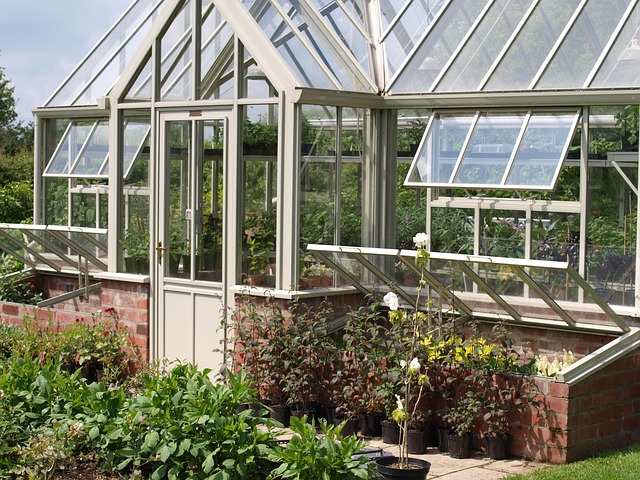
Caring for your metal greenhouse frame does not require a lot of time. Small habits like checking bolts and cleaning surfaces make a massive difference. Staying on top of these tasks keeps your frame in great shape.
Protecting your investment keeps your plants growing safely year after year. With these simple maintenance steps, your steel frame will stand strong against the elements. Your crops will thank you for providing a secure home.