
If you’ve ever asked yourself, “What colors make green?” — you’re in the right place. Whether you’re mixing paints, designing graphics, or dyeing fabrics, understanding what colors make green is essential for getting just the right shade. But here’s the catch: getting green isn’t just about mixing blue and yellow — it’s about knowing which shades to choose and how much of each to use.
In this guide, we’ll break down the basics of how to get green, how to customize it into endless shades (like mint, forest, sage, and olive), and common mistakes to avoid. We’ll even cover natural dye methods and digital color mixing. Let’s start with the most important question…
What Two Colors Make Green?
Yellow + Blue = Green
At its core, green is made by mixing yellow and blue — two primary colors. This forms the basis of Color Theory 101, specifically subtractive mixing, which is used in painting, dyeing, and printmaking. Green is a secondary color that sits right between yellow and blue on the color wheel.
But not all yellow + blue combinations create the same green:
- Lemon Yellow + Phthalo Blue → Bright, intense spring green
- Yellow Ochre + Ultramarine Blue → Earthy, olive-toned green
The key lies in undertones: each pigment leans either warm or cool, shifting your final green toward something bold and vibrant or soft and muted.

What Makes Green — Primary or Secondary?
Green is a secondary color in traditional painting. It’s made by mixing two primary colors: yellow and blue. The shade of green you get depends on the temperature of those colors. A cool yellow (like Lemon Yellow) mixed with a cool blue (like Phthalo Blue) gives you a bright, vibrant green.
In contrast, warm yellows and warm blues (like Yellow Ochre and Ultramarine) create muted, earthy greens. So while green isn’t a primary color in paint, it behaves like one in digital screens, where it’s part of the RGB primary system used for light.
How to Mix Different Shades of Green
Now that you’ve got your base green — yellow plus blue — it’s time to level up. There’s no single “green” that works for every situation. Some projects need something soft and pastel, others call for deep and dramatic tones. That’s where shade mixing comes in.
By tweaking your base green with other colors like white, black, red, or even more yellow or blue, you can create a full spectrum of greens: mint, forest, lime, olive, sage — whatever you need.

Let’s go through the most popular green shades and how to mix each one.
How to Make Light Green (Mint, Lime, Pistachio)?
Light greens are often described as fresh, clean, and modern. They’re great for spring-themed projects, kids’ rooms, botanical illustrations, or minimal design.
How to make mint green?
- Start with Lemon Yellow and Phthalo Blue (a bright, cool base green)
- Add Titanium White slowly to soften and lighten
- For a cooler mint, add a touch more blue
How to make lime green?
- Use Primary Yellow and a touch of Turquoise Blue
- Lime green should lean slightly yellow and stay bright — don’t overdo the blue
- Add a small drop of white if needed to improve visibility on canvas or paper
How to make pistachio green?
- Start with your mint green base
- Add a tiny amount of raw sienna or beige to warm it up
- Pistachio is soft and slightly creamy, perfect for dessert designs or interior tones
These lighter greens are all about balance. You want the color to stay clean and not turn chalky — so always use high-quality white paint and test on a small swatch before committing.

How to Make Dark Green (Forest, Hunter, Olive)
Darker greens feel rich and grounding. They’re commonly used in landscapes, botanical art, camouflage tones, or earthy palettes.
How to make the forest green?
- Mix Cadmium Yellow with Phthalo Blue
- Add a touch of Prussian Blue or Ultramarine Blue to deepen
- If it gets too cool or too bright, add a touch of red or burnt sienna to neutralize
How to make hunter green?
- Start with Phthalo Blue + Yellow Ochre
- Add a very small amount of black to reduce vibrancy
- Optional: a tiny bit of white can add visual softness without making it pastel
How to make olive green?
- Combine Yellow Ochre + Cobalt Blue
- Mix in a hint of burnt umber to brown it slightly
- This color is muted and perfect for botanical tones, military-style decor, or vintage palettes
The key with dark greens is not to go too far too fast. Always build depth gradually — once a green goes too dark, it’s hard to pull it back without making it look dull.
How to Make Warm and Cool Greens
This is where green mixing gets artistic. Not every green has to be light or dark — it can also lean warm or cool, depending on the vibe you’re after.
Warm greens have more yellow. Think of the yellowy greens you see in sunlit grass or early spring leaves.
Cool greens lean blue — like pine trees, seafoam, or emerald stones.
How to make a warm green?
- Use Cadmium Yellow Light or Lemon Yellow
- Mix with a moderate amount of Phthalo Blue
- Add more yellow if the green gets too dark or too teal
How to make a cool green?
- Start with Phthalo Blue or Turquoise Blue
- Add Primary Yellow just enough to turn it green without overpowering the blue
- Optional: a touch of white can cool the tone even further for modern palettes
Experimenting with warm vs. cool greens is a great way to develop your eye for color temperature — something every artist benefits from.

Unexpected Ways to Make Green
Now that we’ve explored light, dark, warm, and cool greens, let’s quickly cover some less common but totally workable ways to make green — especially helpful when you’re limited in your palette or want to create unique shades.
1. Yellow + Black = Olive Green
Surprisingly, mixing a warm yellow like Cadmium Yellow Deep with a touch of black can give you a muted olive green — great for military tones or aged vintage looks.
2. Orange + Blue = Muddy Green
Orange already contains yellow and red — mixing it with blue leads to muddy greens. If you’re curious about how orange and yellow behave together, explore our deep dive here
3. Brown + Yellow = Swampy Green
Using brown with yellow creates mossy or murky green shades — especially if the brown has blue tones. Learn more about how to make brown to refine these mixes.
4. Green + Yellow = Chartreuse
Start with a clean green, then add more Lemon Yellow to make it zingy. Great for highlights on leaves or glowing accents.
5. Green + Brown = Forest Green
This combo deepens your green naturally — adding a weathered, woodland feel to your palette.
6. Green + Blue = Teal or Deep Sea Green
Lean into this combo when painting ocean water, dark foliage, or peacock feathers.
7. Green + Black = Deep Jungle Green
Need something moody and shadowy? Black plus any bright green will tone it down into a bold, deep shade.

8. Green + White = Mint or Sage
We covered mint earlier, but adding white to any earthy green creates gentle sages or dusty plant tones — beautiful in botanical work.

These combinations are ideal when you’re short on primary colors or looking for subtle tones that traditional mixes don’t offer.
Best Color Combinations for Custom Greens
Phthalo Blue vs. Ultramarine Blue
Phthalo Blue is cool and strong. Mixed with Lemon Yellow, it gives vibrant, bright green — great for tropical art.
Ultramarine Blue is warmer. With Yellow Ochre or Cadmium Yellow, it creates muted, earthy green like moss or forest tones.
Tip: For clean, bright green, go with Phthalo + cool yellow. For soft, natural tones, use Ultramarine + warm yellow.
Cadmium Yellow vs. Lemon Yellow
Lemon Yellow is cooler and makes fresh, minty greens.
Cadmium Yellow is warmer, producing duller greens when mixed with blue.
If your green looks dull, your yellow may be too warm. Swap for a cooler one.
Adjusting with White, Black, and Gray
- White: Lightens green into mint, lime, or pastel tones.
- Black: Darkens green — use carefully to avoid making it flat.
- Gray: Tones down brightness without changing temperature.
Use these to fine-tune any green based on your project.
Adding Red or Burnt Sienna
A small touch of red or reddish brown will mute bright green into olive, sage, or moss.
This is key for natural tones — but go slow. Too much red turns green into brown.
Adding red to green can mute your mix into olive, sage, or moss tones. To understand how red interacts with green, check out our full guide on what color red and green make.
| Color Combo | Resulting Green |
|---|---|
| Phthalo Blue + Lemon Yellow | Bright, vivid green |
| Phthalo Blue + Cadmium Yellow | Bold, slightly warm green |
| Ultramarine Blue + Yellow Ochre | Muted, earthy green |
| Ultramarine Blue + Cadmium Yellow | Warm olive green |
| Phthalo Blue + Primary Yellow | Medium, balanced green |
| Cerulean Blue + Lemon Yellow | Soft, pastel green |
| Phthalo Blue + Titanium White | Mint green |
| Cadmium Yellow + Touch of Black | Army green |
| Green Base + Neutral Gray | Toned-down, dusty green |
| Bright Green + Burnt Sienna | Olive or moss green |
| Bright Green + Red (tiny amount) | Muted, natural green |
| Lemon Yellow + Turquoise Blue | Jewel-toned lime green |
| Yellow Ochre + Cobalt Blue | Soft olive green |

Green Mixing Tips for Different Mediums
What Color Makes Green in Acrylic and Oil Paint?
In acrylic paint, what color makes green depends on your blue and yellow. Use Phthalo Blue + Lemon Yellow for a bright green. For a muted tone, try Ultramarine + Yellow Ochre. Acrylics dry darker, so your green may look deeper once it sets. Use a wet palette to keep blends smooth.
With oil paints, the same color mix applies — but you get more time to blend. Oils stay richer, and using linseed oil helps with smooth transitions. Avoid overmixing to keep your green vibrant, not muddy.
What Color Makes Green in Watercolor?
Watercolors are transparent, so the green looks lighter. If you’re wondering what color makes green in watercolor, mix a yellow wash over a blue base. Try Lemon Yellow + Cerulean Blue or Phthalo Blue. To darken or create shadow greens, glaze blue over dry green. Always test — colors shift as they dry.
What Color Makes Green in Digital Art?
In digital art, green is a primary color, so what color makes green isn’t about mixing. Just use RGB(0, 255, 0) for pure green. Adjust it with red to mute, blue to cool, or white to lighten. Try these HEX codes:
- Lime Green: #32CD32
- Olive Green: #808000
- Mint Green: #98FF98
It’s all slider-based, with instant results.

Green in Different Color Models: RYB, CMYK, and RGB
Most of the time, when artists or hobbyists ask what colors make green, they’re working with the RYB color model — the one used in painting. In this traditional system, green is a secondary color made by mixing yellow and blue.
But if you step into the world of printing or digital screens, things shift a bit.
- CMYK (used in printing):
In the CMYK color model, which stands for Cyan, Magenta, Yellow, and Key (Black), green is still a secondary color — but it’s created by mixing yellow with cyan instead of a regular blue. Cyan is a slightly greener and lighter version of blue, which gives printed greens a brighter, sharper tone. - RGB (used in digital screens):
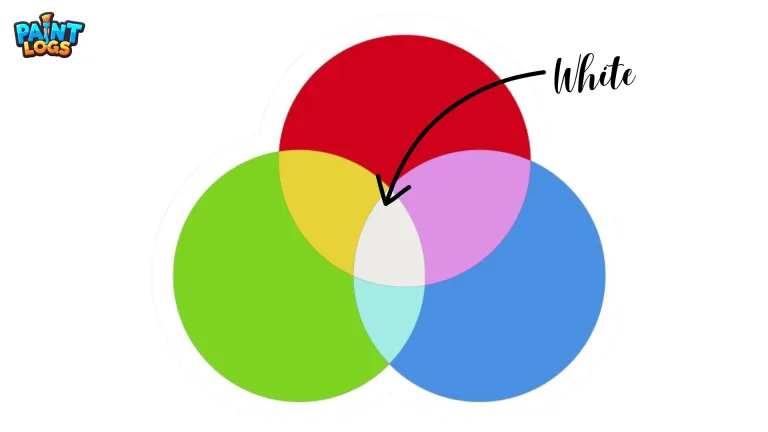
In the RGB color model — used in TVs, computer monitors, and phone screens — green is actually a primary color. The three primaries in RGB are Red, Green, and Blue, so green doesn’t need to be mixed at all; it’s built right into the base.
Why does this matter?
If you’re switching between painting, printing, and digital design, it’s important to understand that colors behave differently in each format. A green that looks perfect on your canvas might appear slightly off on a screen or in print — and knowing which color model you’re using helps you adjust accordingly.

Common Mistakes When Mixing Green — and How to Fix Them
Why does my green look muddy?
This usually happens when the pigments have opposite temperature biases. A warm yellow mixed with a reddish blue often results in a dull, brownish green.
Fix: Choose cool pigments like Lemon Yellow and Phthalo Blue for bright, clear greens.
Why is my green turning too blue?
Blue pigments are stronger and can dominate the mix if you’re not careful. Too much blue makes the green lean toward teal or navy.
Fix: Start with more yellow and add blue slowly to control the shade.
Can I add black to darken green?
Black technically works but often dulls the color, making it flat or lifeless.
Fix: Use deep colors like Prussian Blue or Burnt Umber to darken while preserving richness.
Why do my greens look dull or lifeless?
Overmixing too many pigments muddies the result. Using more than three colors often leads to a flat green.
Fix: Keep it simple — one yellow, one blue, and adjust with white or red only if needed.
How Artists Use Different Shades of Green
Artists use green to add depth and emotion. Bright greens highlight foregrounds, while muted and cool greens create distance in landscapes. In portraits, subtle green is used in shadows to reflect natural light—like olive or sage under the jaw.
For backgrounds, soft greens such as moss or jade keep the focus on the subject. Emotionally, green ranges from fresh (light green) to deep and traditional (dark green), energetic (yellow-green), or modern (blue-green).

You May Also Like
- Red and Green Make What Color?
Discover what happens when green meets its complementary — red — and how it affects your mixes. - What Colors Make Red?
Understanding how red is formed helps you balance and mute green more effectively. - How Do You Make Colour Brown?
Learn how browns can influence green tones — from earthy olives to swampy forest shades.
Conclusion – Unlocking the Power of Green
“So, What Colors Make Green in the End?”
Green is always made by mixing yellow and blue — but which yellow and blue you use completely changes the outcome. From bright lime to earthy olive, the secret is knowing your pigments and mixing slowly.
Green is one of the most versatile colors in art and design. Whether you’re painting nature, decorating a space, or dyeing fabric, learning how to make green gives you creative control over mood, temperature, and tone.
FAQs
Can I make green without blue?
No. Blue is essential in pigment mixing. Without it, green cannot be created from any combination of other colors.
Why does my green look brown or muddy?
You’re likely using warm pigments or overmixing too many colors. Stick to clean primary yellows and blues, and avoid adding complementary colors.
Can I mix green from pink?
No. Pink is made from red and white. Mixing pink with any color won’t produce green because it lacks blue.
What color cancels out green?
Red. In both painting and color correction, red neutralizes green. Use it to tone down overly bright greens.
How do I make dark green
Mix your base green and add a small amount of Prussian Blue, Burnt Umber, or black. Add slowly to keep the tone rich, not flat.
How do I make light green?
Add white to a base green, or mix Lemon Yellow with a touch of blue for a soft pastel or mint shade.
What’s the best green for trees and landscapes?
Use several greens. For sunlit areas, mix Lemon Yellow + Phthalo Blue. For shadows, use Yellow Ochre + Ultramarine Blue or Sap Green + Burnt Sienna.
How do I make green look more natural?
Add a bit of red, gray, or Burnt Sienna to mute the vibrancy. This creates more realistic, earthy greens.
Can I use food or plants to dye green?
Yes. Spinach, nettle, parsley, and spirulina work well. Use iron after-baths to darken. Layering also helps intensify the tone.
Is green a warm or cool color?
It depends on the mix. Green with more yellow (like lime) is warm. Green with more blue (like teal) is cool.
What is the hex code for digital green?
The hex code for pure digital green is #00FF00 — full green with no red or blue in RGB mode.
How Do I Make Natural Green Darker?
Use an iron modifier or layer over yellow tones; adding tea or coffee deepens the color.