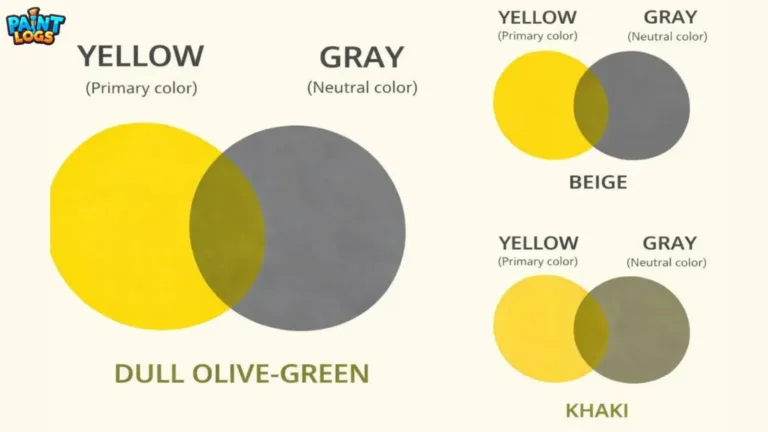

What Color Do Brown and Yellow Make? When you mix brown and yellow, the result is usually earthy, muted shades. The resulting colors can include mustard, olive, beige, ochre, and khaki. The mix of brown (a neutral color) with yellow (a primary color) creates a natural palette, perfect for applications in art, fashion, and interior design. Whether you’re combining colors for hair dye, painting, or home décor, brown and yellow produce hues that are both warm and grounded.
The equation for this mix is:
- Brown + Yellow = Muted Earthy Tones
When you combine brown (which is often a mix of red, yellow, and black) with yellow, you create tones that resemble mustard, olive, and beige. These shades are highly valued for their warmth and versatility in design.
This guide will break down how brown and yellow work together, the different shades they create, and how these colors are used across various creative fields. Let’s dive into the science behind the mix and explore the practical applications.
That association with sand and summer is why tan behaves differently from the other shades on this list. It reads as warm-weather rather than autumnal, which is how it ends up across resort and swimwear ranges: browse a retailer like Simply Beach and you will find tan, sand and camel running through cover-ups, sandals and kaftans season after season, usually paired with white or cream rather than the greys and charcoals that suit mustard and olive. Same family of mixes, opposite half of the calendar.
Quick Answer: What Color Does Brown and Yellow Make?
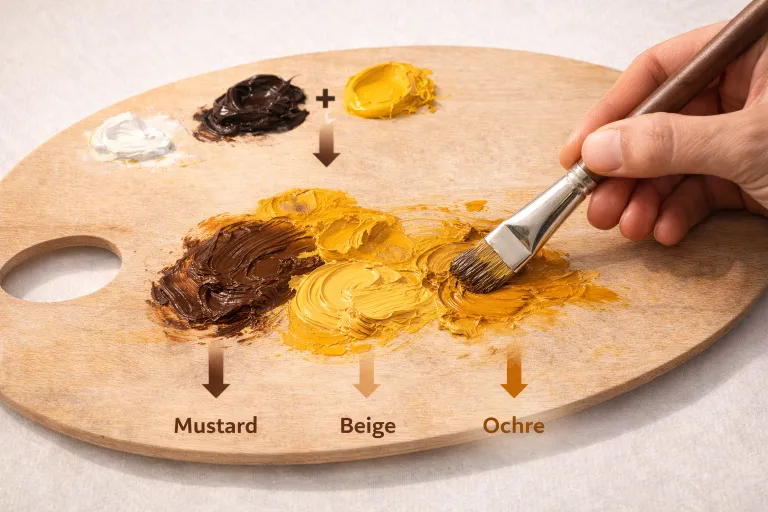
When brown and yellow are mixed, the result is typically muted, earthy tones. The colors produced, such as mustard, olive, beige, and ochre, are often used to evoke warmth, natural elements, and earthiness. The exact color depends on the ratio of brown to yellow in the mix.
Brown + Yellow = Mustard, Olive, Beige, Ochre
These are the common colors produced by mixing these two hues. The balance of brown and yellow determines how light or dark the resulting shade will be. If more yellow is added, you get a brighter, more vibrant tone like mustard. If more brown is used, the result is a darker, earthier color, like olive or beige.
These colors are often seen in nature and are ideal for creating rustic, vintage, and natural designs. They are also widely used in home décor, fashion, and branding for their timeless, grounded qualities.

The Science Behind Mixing Brown and Yellow
Subtractive Color Mixing: How Colors Interact
To understand how brown and yellow mix, it’s important to explore the concept of subtractive color mixing. This occurs when pigments are mixed, absorbing certain wavelengths of light and reflecting others. In this model, the more colors you add, the more light is absorbed, resulting in a darker or more muted color.
- Brown is a neutral color, often made by mixing red, yellow, and black, and it tends to absorb more light.
- Yellow, on the other hand, is a primary color that is bright and vibrant. When mixed with brown, yellow adds warmth but is subdued by the neutral qualities of brown.
Thus, mixing brown and yellow results in muted tones that are not overly bright or saturated. Instead, these colors are more earthy and grounded. The amount of yellow used will brighten the result, while more brown will lead to a darker, earthier tone.
Color Theory
According to color theory, yellow is a warm primary color, and brown is a neutral, earthy color. When combined, they produce warm, earthy hues that evoke the natural world. These colors work well in various mediums, including painting, fashion, and design.

Common Shades Created When Mixing Brown and Yellow
The specific shade you get when mixing brown and yellow depends on the ratio of the two colors. Let’s look at some common shades created when these two colors are mixed:
Mustard
The mix of yellow and brown often creates a mustard color, a rich, warm yellow-brown shade. Mustard is a common color used in autumn fashion, vintage designs, and home décor. It is a classic color that adds a cozy yet vibrant feel to any project.
- HEX Code: #FFDB58
Olive
Another shade created by mixing brown and yellow is olive. This is a deep, earthy greenish-yellow that is often used in military-inspired designs and outdoor-themed projects. It works well in fashion and interior design when a natural, subdued tone is desired. Olive is a classic color that pairs well with tan, cream, or gray.
- HEX Code: #808000
Beige
When the ratio of brown to yellow is more balanced, the result can be a soft beige color. Beige is a neutral shade that is often used in interior design for creating calm, refined spaces. It works well in combination with other neutral tones and can help balance out brighter, bolder colors.
- HEX Code: #F5F5DC
Ochre
A deeper mix of brown and yellow produces ochre, a golden-brown hue that has been used for centuries in art and design. Ochre has a warm, earthy tone and is often used in landscape painting or natural-themed designs. It can evoke feelings of warmth, earthiness, and rustic charm.
- HEX Code: #CC7722
Khaki
If you increase the amount of brown in the mixture, you can achieve khaki, a light brown-yellow shade often seen in military uniforms and casual fashion. Khaki is a great neutral color that pairs well with almost any other color and adds an earthy, subtle tone to your designs.
- HEX Code: #F0E68C
Tan
A soft, lighter mix of brown and yellow produces tan, a warm, neutral color often associated with sandy beaches and summer fashion. Tan is a versatile color used in fashion, home décor, and brand designs to convey a soft, natural feeling.
- HEX Code: #D2B48C

Brown and Yellow in Paint: RYB Color Model Results
In the RYB (Red, Yellow, Blue) color model, mixing brown and yellow results in earthy, muted tones that are commonly used in traditional art. These colors are rich, warm, and natural, making them ideal for creating backgrounds, shadows, or natural elements like wood or fall leaves.
- Yellow: In the RYB model, yellow is a bright primary color that mixes well with the more neutral brown, creating softer tones.
- Brown: As a neutral color, brown absorbs more light and creates subdued colors when combined with yellow, producing shades like olive, mustard, and khaki.
What Happens When Brown and Yellow Are Mixed with Other Colors?
One of the most exciting things about mixing brown and yellow is that when combined with other colors, the result can change dramatically. The mixture can adapt to different tones depending on the additional colors you add. Let’s explore some of the most common combinations:
Brown + Yellow + White = Maroon, Burgundy, or Plum
Adding white to brown and yellow lightens the mix, creating softer, more refined tones. The addition of white helps to brighten the resulting color, which can lead to maroon, burgundy, or plum. These are rich, luxurious shades that evoke a sense of elegance and sophistication.
- Use in Fashion: In fashion, burgundy and plum are often seen in formal wear, evening gowns, or wedding designs.
- Interior Design: In interior décor, these hues create a luxurious and warm atmosphere, perfect for creating cozy, inviting spaces.
- HEX Codes:
- Burgundy: #800020
- Plum: #8E4585
Brown + Yellow + Blue = Olive or Sage
When you add blue to the mix of brown and yellow, the resulting color tends to lean towards earthy green tones like olive or sage. This combination is perfect for designs that need to evoke a sense of nature, calmness, and balance.
- Use in Design: Olive and sage are ideal for outdoor or natural-themed designs. These colors are also commonly seen in military-inspired fashion or eco-friendly branding.
- HEX Codes:
- Olive: #808000
- Sage: #B2AC88
Brown + Yellow + Green = Earthy Tones
When you mix brown, yellow, and green, the resulting color can resemble earthy tones, such as moss green, forest green, or even a deeper olive. These tones are perfect for creating designs that represent the natural world, such as landscape art, outdoor spaces, and nature-themed décor.
- Use in Interior Design: In interior design, these colors work well in rooms where you want to evoke a connection to the outdoors, plants, or nature.
- HEX Codes:
- Moss Green: #8A9A5B
- Forest Green: #228B22
Brown + Yellow + Red = Burnt Orange or Ochre
When you add red to brown and yellow, you get a rich, warm color like burnt orange or ochre. This combination is great for creating autumn-inspired designs or to add depth and vibrancy to fashion collections. These shades are often used in fall décor or in nature-themed art to represent leaves, earth, and rust.
- Use in Art: Burnt orange is often used in landscape painting to depict autumn or sunset hues, while ochre is used to create a natural earthy feel.
- HEX Codes:
- Burnt Orange: #CC5500
- Ochre: #CC7722
Brown + Yellow + Black = Dark Mustard or Deep Olive
Adding black to the mixture of brown and yellow will darken the color, resulting in deeper, moody tones like dark mustard or deep olive. This is ideal for creating high-contrast designs or dramatic effects. These tones are perfect for gothic fashion, grunge-inspired art, or even moody interior design.
- Use in Interior Design: Dark mustard and olive work great for accent walls or furniture pieces where you want to add depth and contrast.
- HEX Codes:
- Dark Mustard: #9E7C3A
- Deep Olive: #556B2F
Brown + Yellow + Purple = Rustic Plum or Earthy Mauve
When you mix brown, yellow, and purple, the resulting color can take on a rustic plum or earthy mauve tone. These colors add an element of richness and luxury while still maintaining an earthy and natural feel. This mix is great for designs that require a vintage or elegant touch.
- Use in Branding: Rustic plum and mauve can work well in upscale branding or luxury design, especially for fashion or home goods.
- HEX Codes:
- Rustic Plum: #7A5068
- Mauve: #E0B0FF

Common Mistakes When Mixing Brown and Yellow
When mixing brown and yellow, there are a few common mistakes people often make that can result in unexpected or undesired colors. Here are a few tips to help avoid these pitfalls:
Adding Too Much Yellow
One of the most common mistakes is adding too much yellow to the mixture. Yellow is a bright, primary color, and if you add too much, it can overwhelm the brown, creating an unnatural bright yellow or neon color. If you want to create a more earthy, subdued tone, be cautious with how much yellow you add.
Not Testing the Mix
Before committing to your color mix, it’s always a good idea to test it on a small surface. Paint, especially, can appear much darker or lighter once it dries. Testing will help you gauge the final color and make any adjustments if needed.
Ignoring Lighting Conditions
Lighting can significantly affect how your color mix will appear. What looks like a perfect olive or mustard during the day might appear too dark or even muddy under artificial light. Be sure to consider the lighting conditions in the space or environment where you’re using your color mix.
Tips for Mixing Brown and Yellow in Paint
Mixing brown and yellow in paint requires some care and attention to achieve the desired color. Here are some useful tips to guide you:
Start Slowly
When mixing brown and yellow, always start by adding small amounts of yellow to brown. You can always add more yellow later, but it’s much harder to lighten the mix once it’s too bright. Gradually adjust until you reach the shade you desire.
Test on a White Surface
Before applying your mix to a larger canvas or project, always test the color on a white surface. The color will often appear darker or lighter once it dries, and testing ensures you get the final shade you want.
Use High-Quality Paints
Higher-quality paints mix more smoothly and give more predictable results. Artist-grade paints are ideal for mixing, as they tend to contain fewer fillers and produce more vibrant, accurate shades.
Add White for Softer Tones
If your mix is too dark or heavy, consider adding a little white to lighten the shade. White will soften the color, giving you a lighter mustard or beige tone, depending on the ratio.
How to Use Brown and Yellow Together in Design
The combination of brown and yellow can create a range of effects in design, fashion, and even branding. These colors are often associated with warmth, nature, and earthiness, making them perfect for creating cozy and inviting spaces. Let’s explore how these colors are used in different design contexts and how you can incorporate them into your own projects.
Interior Design
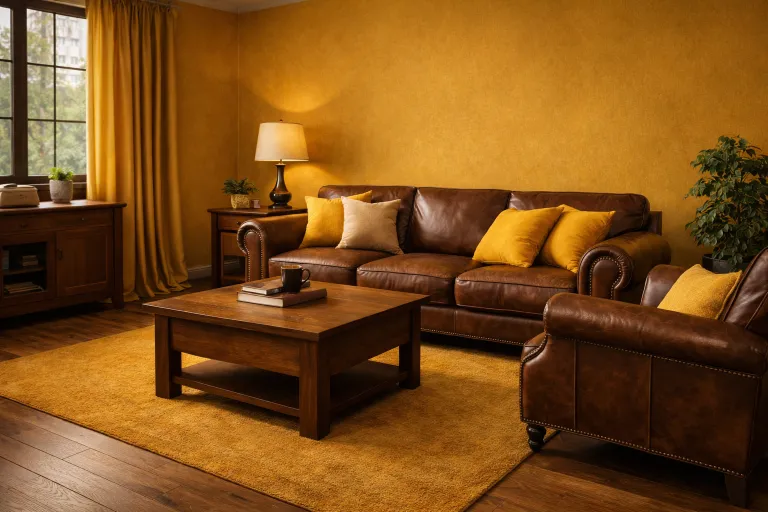
In interior design, brown and yellow are ideal for creating warm, comfortable spaces. These colors are commonly used in living rooms, kitchens, bedrooms, and dining areas to evoke a cozy, natural ambiance. Brown provides a solid, grounded base, while yellow adds a bright, cheerful accent.
- Accent Walls: A yellow accent wall with brown furniture can make a room feel sunny yet earthy. This combination is perfect for living rooms or dining areas where you want to create an inviting, warm atmosphere.
- Furniture and Décor: Yellow cushions, brown wooden furniture, or beige curtains create a balanced, earthy look. Use brown for larger items like sofas and tables, while yellow can be added through pillows, throws, or area rugs.
- Natural Elements: Incorporating natural elements like wood, stone, or plants alongside brown and yellow will enhance the earthy feel. These colors blend well with wooden floors, stone countertops, and potted plants.
Fashion
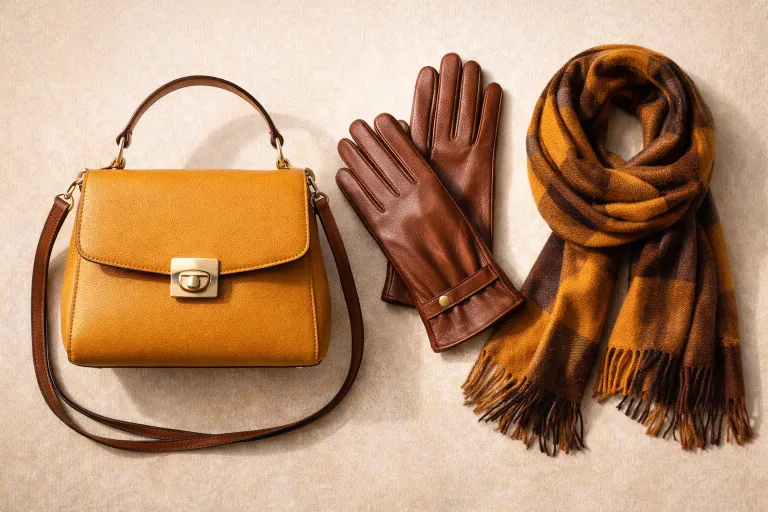
Brown and yellow are often used together in fashion to create vibrant yet earthy looks, especially during the fall and autumn seasons. These colors can be combined in outerwear, accessories, or casual wear to evoke a natural, cozy feel.
- Autumn Fashion: Brown and yellow are synonymous with autumn fashion. Think of a yellow scarf paired with a brown leather jacket or mustard yellow boots with khaki pants. These colors are perfect for layering, creating a comfortable yet stylish look for colder weather.
- Street Style: Street fashion often embraces the earthy tones of brown and yellow in sweatshirts, jackets, and casual tees. These colors can be combined in printed patterns, color-blocking, or coordinated outfits to create bold, energetic looks.
- Vintage Inspiration: The combination of brown and yellow is also popular in vintage fashion, where mustard skirts, brown cardigans, or retro yellow dresses bring out a nostalgic, earthy vibe. The menswear side of this palette follows the same logic. Tailored Athlete leans heavily on khaki, stone and olive across its fitted shirts, knitwear and overshirts, which works because muted brown-yellow tones flatter a wider range of complexions than a saturated yellow ever will. The practical takeaway for anyone building an autumn wardrobe is to keep the earthy shade as the base layer and let a single brighter mustard piece do the accent work.
Branding and Logos
The combination of brown and yellow is widely used in branding for businesses that want to project an image of warmth, natural beauty, and sustainability. This color pair evokes feelings of comfort, earthiness, and trust, making it a popular choice for brands in industries like organic food, eco-friendly products, or coffee shops.
- Eco-Friendly Brands: Companies like Whole Foods and Trader Joe’s use brown and yellow in their logos to signify their connection to nature and organic products. Brown represents earthiness and sustainability, while yellow adds a cheerful, energetic tone.
- Food and Beverage: Brands in the food industry, especially coffee and chocolate companies, often use brown and yellow in their packaging and branding. Brown evokes the richness of coffee beans or chocolate, while yellow adds a sense of brightness and freshness.
- Luxury Brands: Some luxury or upscale brands also use brown and yellow to represent elegance and sophistication. This combination can work well for high-end hotels, spas, or exclusive boutiques.
Conclusion
Mixing brown and yellow creates a variety of beautiful, earthy tones, from mustard and olive to beige and ochre. These colors can be used in a variety of design fields, including fashion, interior design, art, and branding. Whether you are designing a room, creating a fashion collection, or painting a picture, these colors offer warmth, natural beauty, and balance.
From the richness of mustard in autumn fashion to the subtlety of beige in home décor, the possibilities with brown and yellow are endless. By experimenting with different ratios of these colors and adding other pigments, you can achieve a wide range of beautiful shades that work well in any setting.
FAQs
What color do brown and yellow make when mixed?
Mixing brown and yellow creates earthy tones like mustard, olive, beige, and ochre.
Does brown and yellow make what color in hair?
Yes, brown and yellow can create warm, golden shades in hair dye, like caramel or honey brown.
What happens when you add white to brown and yellow?
Adding white lightens the mixture into softer tones like beige or cream.
Can brown and yellow be used in interior design?
Yes, brown and yellow are perfect for creating warm, inviting spaces in living rooms, kitchens, and bedrooms.
How does brown and yellow work in fashion?
Brown and yellow are great for autumn fashion, creating vintage-inspired or earthy looks.
What happens when you mix brown, yellow, and blue?
The result is olive or sage, creating an earthy tone ideal for nature-themed designs.
Can brown and yellow be used for branding?
Yes, brown and yellow are often used by eco-friendly brands or organic companies to evoke a natural, warm feel.
What color does brown and yellow make when mixed with red?
The combination can create burnt orange or ochre, perfect for fall designs or autumn-inspired branding.
How do brown and yellow work in art?
In art, they’re often used to create natural tones for landscapes, portraiture, and still life.
Can I use brown and yellow together for a vintage look?
Yes, these colors are often used in vintage designs, especially in clothing and home décor.
What happens when brown, yellow, and black are mixed?
The mixture becomes a dark mustard brown or deep olive, depending on the proportion of each color.
How can I use brown and yellow for a natural look in design?
Use these colors to evoke a natural, earthy feeling in eco-friendly designs, nature-themed décor, and sustainable fashion.