
Mixing blue and orange might sound simple — but the result is far more fascinating than you’d expect. Whether you’re working with paints, digital art, or design palettes, combining these two powerful colors can create earthy, muted tones that are versatile and deeply expressive.
In this guide, we’ll explore what happens when blue and orange make contact, how to control the outcome, and how to use their beautiful blend across various mediums. Spoiler: it’s not just brown.
What Color Does Blue and Orange Make in Paint?
In traditional painting mediums like acrylic, watercolor, oil, or gouache, mixing blue and orange usually creates a form of brown. But it’s not just any brown — it’s a neutralized color that can vary dramatically depending on your pigment choices and ratio.
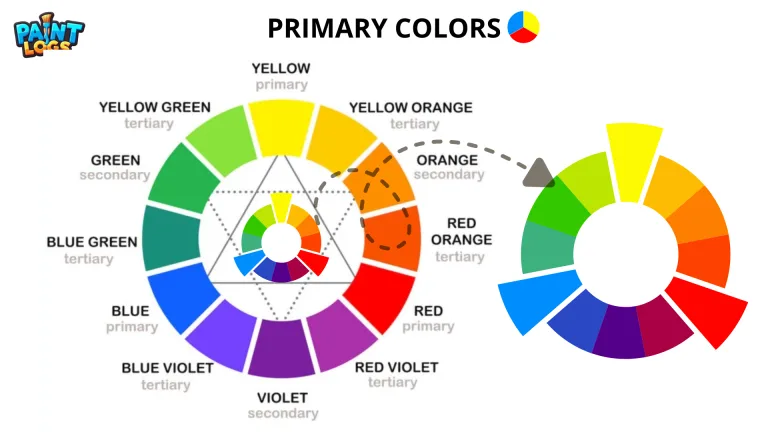
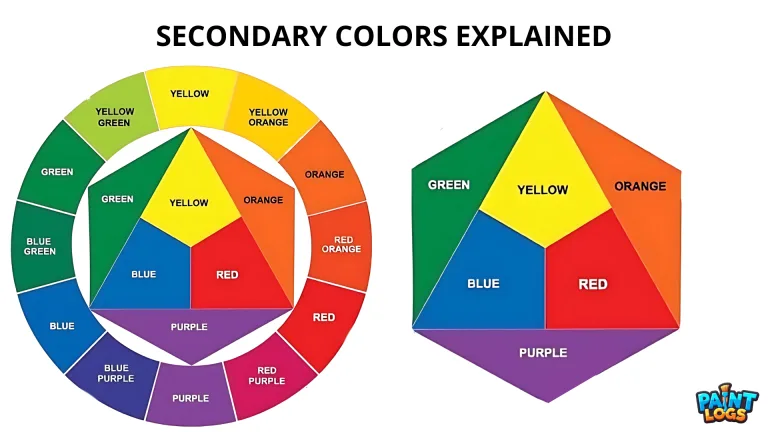
This happens because you’re combining a primary color (blue) with a secondary color (orange = red + yellow), which brings all three primaries into the mix. That naturally cancels out saturation and forms earthy, complex browns.
If you want to learn which other color combinations can make brown, check out this detailed guide: How Do You Make Colour Brown?
Burnt Sienna
Mix equal parts Ultramarine Blue (PB29) and Cadmium Orange (PO20) to produce a deep, glowing reddish-brown. This classic pairing creates a color rich in warmth with just enough darkness for natural shadows and skin tones. Many artists rely on this formula when painting bricks, foliage, or portraits where earthy warmth is essential.

Muddy Gray-Brown
Blend Cerulean Blue (PB35) with an equal portion of Naples Orange to achieve a cooler, more neutral brown. The result has a soft, slightly grayed-out appearance with subtle undertones, ideal for foggy landscapes, wood grains, or softly lit interiors. The muted base colors help create a refined and natural-looking tone.

Blue-Tinted Brown
Use two parts Phthalo Blue (PB15:3) with one part Vermilion Orange to get a dark, slightly navy-leaning brown. Phthalo’s intensity dominates the mix, making the result perfect for adding depth, especially in shadows, nighttime scenes, or moody backgrounds. The orange helps soften the edge without neutralizing the cool strength of the blue entirely.

Rust Brown
Combine two parts warm orange (like Cadmium Orange Deep or Pyrrole Orange) with one part Cobalt or French Ultramarine to get a warm, rusted brown. The orange-forward mix gives this shade an earthy autumn vibe, reminiscent of dried leaves, iron oxide, or terracotta tiles. It’s a favorite for seasonal themes or rustic textures.

Ashy Taupe
Blend a muted, gray-blue (like Slate Blue) with a soft orange (such as Peach or Mars Orange) in equal measure, then adjust with white or black to shift brightness. The result is a refined taupe-brown with cool undertones. This contemporary neutral is often seen in modern art or design palettes where subtle elegance matters more than bold color.

What Happens When Orange is mixed with Blue to create Different Shades?
When most people think of mixing blue and orange, they expect a flat brown. But that’s only part of the story.
The reality? Blue and orange can make a wide spectrum of natural, smoky, and even surprisingly colorful tones — depending on how you tweak the formula. The outcome shifts dramatically with:
- The specific hue of each color
- Your mixing ratio
- Whether you add white, black, or other pigments
- The medium (paint, pastel, ink, etc.)
Let’s walk through the shades you can create — and exactly how to make each.
Burnt Sienna
Mix equal parts Ultramarine Blue (PB29) and Cadmium Orange (PO20) for a rich, reddish-brown. The deep red-blue in ultramarine balances the warm orange to create a dark, grounded neutral — ideal for shadows and earthy elements.
Smoky Gray-Brown
Blend Cerulean Blue (PB35) and Naples Orange, then mute with a bit of white. Their low saturation tones yield a soft, foggy brown-gray with cool undertones — perfect for vintage palettes or moody landscapes.
Blue-Tinted Brown
Use two parts Phthalo Blue (PB15:3) with one part Pyrrole Orange (PO73) for a deep, cool brown. The blue pulls it into a shadowy tone, while the orange keeps it from going black — great for contouring and shading.
Rust Brown
Try two parts Cadmium Orange with one part French Ultramarine. This creates a clay-like brown with strong warmth, like oxidized metal or autumn leaves — vibrant yet grounded.
Olive Brown
Combine Phthalo Blue and a yellow-rich orange like PO62 in a 1:2 ratio. The result is a mossy brown with slight green influence, useful in foliage or organic illustrations.
Dusty Rose
Mix Venetian Orange and Cerulean, then add white. The red bias in orange combines with blue to form a muted pinkish tone — soft, vintage, and great for floral work.
Slate Gray
Blend Prussian Blue with Mars Orange, adjusting with white for tone. Their balanced depth results in a clean, bluish-gray — a modern neutral with a cool edge.
Terracotta Beige
Use mostly Cadmium Orange Deep, a touch of sky blue, and white. The mixture forms a peach-tinted brown, like sunbaked clay — calm and natural.
Clay Mauve
Combine Ultramarine Blue and Light Orange, then lighten with a bit of pink or white. This results in a muted mauve with dusty violet leanings — ideal for interiors or calm-themed art.
Stormy Taupe
Mix Indigo with a muted peach orange, and gray it out with white or neutral tint. The outcome is a cool taupe-gray with slight lavender shift — reserved and sophisticated.

Table: What Shades Can You Make by Mixing Blue and Orange Pigments?
Before diving in, here’s a quick-reference table showing what shades are created when different blue and orange pigments are mixed at various ratios:
| Resulting Shade | Pigments Used | Mix Ratio |
|---|---|---|
| Burnt Sienna | Ultramarine Blue (PB29) + Cadmium Orange (PO20) | 1:1 |
| Smoky Gray-Brown | Cerulean Blue (PB35) + Naples Orange | 1:1 + white |
| Blue-Tinted Brown | Phthalo Blue (PB15:3) + Pyrrole Orange (PO73) | 2:1 |
| Rust Brown | French Ultramarine + Cadmium Orange | 1:2 |
| Olive Brown | Phthalo Blue + Benzimidazolone Orange (PO62) | 1:2 |
| Dusty Rose | Venetian Orange + Cerulean + white | 2:1 + white |
| Slate Gray | Prussian Blue + Mars Orange + white | 1:1 + white |
| Terracotta Beige | Cadmium Orange Deep + Sky Blue + white | 2:1 + white |
| Clay Mauve | Ultramarine Blue + Light Orange + touch pink/white | 1:1 + white |
| Stormy Taupe | Indigo + muted peach orange + white/neutral tint | 1:1 + gray |
What Color Does Blue and Orange Result in Light (RGB)?
In additive color mixing (used in light and digital screens), the outcome is very different than paint.
Instead of mixing pigments, you’re mixing light wavelengths, and in RGB color theory, orange is made from red + green, while blue is its own primary channel. When you mix orange and blue light, the colors average out and can create anything from white to gray, depending on brightness and intensity.
- Blue (0, 0, 255) + Orange (255, 165, 0) = Approx. (255, 165, 255) → a light violet-pink
- Equal parts of opposite hues at high intensity → Neutral gray or white
So, while paint mixing results in brown, blue and orange light mixing tends toward white, lavender, or gray, due to how RGB light blending works.
This makes sense in stage lighting or screen displays: if you shine blue and orange lights on the same spot, it appears desaturated or even white.

Light Cyan
When bright blue light blends with a low-intensity orange light, the result often leans toward cyan — a cool, refreshing color close to turquoise. This happens because orange contributes red and green wavelengths, and when those are overwhelmed by a strong blue light source, the result is a slightly warm-tinted cyan that still reads mostly blue.
Curious what happens when you mix blue and green instead? Together, they create cyan. Learn how blue and green make cyan in this full guide.
Lavender / Violet Tint
When the orange light has more red in it and the blue is slightly muted, their fusion can produce a delicate lavender or soft violet tone. In this case, red and blue dominate the mix, with only a trace of green — shifting the color into the violet zone. It feels subtle, dreamy, and ethereal on screens.
Off-White
Equal parts bright blue and orange at full intensity will often result in a balanced white with a hint of warmth. The RGB model adds red, green, and blue light together to create white — and orange, being a mix of red and green, completes that triad when paired with blue. If either color is slightly dimmed, you’ll get a tinted white — leaning warm or cool depending on the ratio.
Table: What Colors Can Blue and Orange Light Make?
When blue and orange light combine in digital or additive color systems (like RGB), they interact differently than in paint. The result depends heavily on the brightness levels and light intensity of each hue, creating a range of tints from icy blues to warm peaches — even pure white. Here’s a breakdown of what happens when you mix blue and orange light at different strengths.
| Resulting Shade | Light Source Ratio (Approx.) | RGB Code (Estimated) |
|---|---|---|
| Icy Blue | Strong blue + faint orange | #99CCFF |
| Lavender Tint | Medium blue + warm orange (more red) | #D6B3FF |
| Digital Peach | Bright orange + touch of blue | #FFD8B0 |
| Coral-White | Equal parts warm orange + blue at high brightness | #FFF2E9 |
| Muted Mauve | Dim orange + dim blue | #C6B4BD |
| Gray-Lavender | Balanced low-mid blue and orange | #D1CADB |
| Clean White | Full orange + full blue (high intensity) | #FFFFFF |

Why Blue and Orange Don’t Mix Like Basic Primary Colors
This is a question that often confuses beginners. On the surface, mixing two vibrant colors like blue and orange should give you something bright and bold. But in reality, they act more like opposites than teammates.
Here’s why:
- Blue is a primary color in both traditional (RYB) and digital (RGB) models.
- Orange is a secondary color made from red and yellow.
- When you mix a primary with the complement of another primary, they cancel each other out.
That cancellation is rooted in subtractive color mixing, where combining complementary pigments absorbs more light, resulting in duller, muted colors.
In contrast, mixing two primaries like red and blue creates purple — a bright, saturated color. That’s why red + yellow = orange, blue + yellow = green, and red + blue = purple.
But blue + orange = brown — because they’re opposites, not siblings.
This fundamental difference is crucial for artists, decorators, and designers who want to avoid muddy results or create neutrals with intention.
Digital Mixing Guide: Hex, RGB, and CMYK Values
When working in digital design, it’s helpful to understand how blue and orange combine in terms of codes and values. While pigment mixing follows subtractive logic, digital mixing is additive, and that leads to different outcomes.
Here’s how it plays out in RGB (light) and CMYK (print):
| Color Source | Blue Code | Orange Code | Mixed Result |
|---|---|---|---|
| RGB (Light) | (0, 0, 255) | (255, 165, 0) | (127, 82, 127) → Mauve Gray |
| Hex (Web) | #0000FF | #FFA500 | #7F527F (approx.) |
| CMYK (Print) | 100, 100, 0, 0 | 0, 35, 100, 0 | 35, 65, 35, 0 (neutral brown-gray) |
In RGB, the mix of blue and orange leans toward muted purples or warm grays, depending on brightness levels. In CMYK, the resulting shade tends toward desaturated browns ideal for background tones or subtle shadows.

Why Blue and Orange Are Complementary Colors
Blue and orange are directly across from each other on the RYB color wheel, which makes them complementary colors. This relationship means they offer maximum contrast and vibrancy when placed side-by-side.
But when you mix them? That energy turns into neutrality.
Here’s what that looks like:
- On a painting: orange next to blue = visual pop
- In a logo: orange text on blue = eye-catching contrast
- In a palette: mixing both = neutral brown or gray
This dynamic makes them powerful in design theory. Use them together for contrast, or blend them for earth tones.
And remember, complementary pairs always neutralize each other. That’s why the blue-orange combo is so effective in cinematic color grading — think of the classic warm skin tones (orange) against a cool background (blue).
How Additives Like White or Black Change the Orange and Blue Mix
Adding white or black to your blue-orange mix can dramatically shift the final tone.
Let’s explore how each one alters the balance:
| Additive | Effect on Blue + Orange Mix | Color Outcome |
|---|---|---|
| White | Lightens and softens the brown | Pale beige, cream, taupe |
| Black | Deepens and mutes the color | Charcoal brown, slate gray |
| Gray | Neutralizes intensity even further | Dusty mauve, mushroom brown |
This is often used by designers and painters who want to create shadows, skin tones, wood textures, or vintage palettes.
Tip: Add white slowly to avoid chalky results. Add black sparingly — too much can make the color go dull and lifeless.

Artist Tips to Avoid Making Mud
Mixing complementary colors like blue and orange comes with a risk: muddy results. But you can avoid this with a few intentional techniques.
Here’s what artists recommend:
- Use high-quality pigments – Cheap paints often contain fillers that dull the mix.
- Stick to clean, single-pigment colors – Avoid oranges or blues made from multiple pigments.
- Test in small swatches – Mix on a palette before applying directly to your canvas.
- Glaze instead of mix – Layer transparent orange over blue (or vice versa) to keep depth.
- Control ratios – Dominating with one color can help keep the tone rich rather than muddy.
When used with precision, blue and orange can produce some of the most gorgeous natural tones — ideal for landscapes, portraits, or urban scenes.
Real-Life Uses of Blue and Orange Color Mixes
The mix of blue and orange isn’t just theoretical — it’s everywhere once you start noticing.
In fine art: Artists use this combo to create dynamic neutrals. From glowing skin tones to stormy shadows, the brownish grays and taupes born from blue and orange mixing are studio staples.
In interior design: A blue-orange mix, especially when softened with white or gray, makes stylish taupes and mushroom tones. These are trendy in minimalist homes, Scandinavian palettes, and modern rustic rooms.
In photography and film: The blue-orange contrast is king. Warm tones on the face (orange) and cool tones in the background (blue) create depth and emotion — think every blockbuster movie poster ever.
In fashion: Muted browns or mauves made from blue-orange mixing are used in streetwear, fall fashion, and cozy knits. These tones are earthy and wearable.

So whether you’re mixing paint, styling a home, or designing a brand — this combo delivers versatility.
Color Psychology: Emotional Impact of the Mix Blue and Orange
Color isn’t just visual — it’s emotional. So what happens when we mix blue and orange?
Blue = calm, intelligence, coolness
Orange = energy, warmth, friendliness
When mixed, their energy levels settle. You get neutral tones that feel:
- Grounded: Browns and taupes created from this mix feel stable and organic.
- Balanced: The coolness of blue and the warmth of orange cancel each other, forming a visual equilibrium.
- Sincere: These hues are great for backgrounds, natural branding, and peaceful designs.
That’s why these tones are common in branding (eco products, skin care), UX design (low-stimulus interfaces), and emotional scenes in paintings.

Conclusion
Blue and orange make brown when mixed in paint, but the exact shade can vary—from burnt sienna to dusty taupe—depending on the specific pigments and ratios used. This happens because combining a primary (blue) with a secondary (orange) introduces all three primary colors, creating a neutralized tone.
In light, blue and orange combine to make white or gray due to additive mixing. Whether you’re painting, designing, or exploring color theory, this mix offers a versatile range of earthy, balanced tones perfect for both bold and subtle creative work.
You May Also Read
- Red And Green Make What Color? – Understand all shades of brown
- What Are Complementary Colors? – Understand why blue and orange neutralize.
- What Color Do Blue and Green Make? – Discover how they create vibrant cyan.
- Red and Blue Make What Color? – Explore the shades of purple they produce.
- What Colors Make Pink? – Find out all the surprising ways to create pink.
FAQs
Does blue and orange always make brown in paint?
Yes — because you’re combining all three primary colors (blue, red, yellow), which leads to neutralization. The exact shade of brown depends on pigment type and ratio.
What color does blue and orange make digitally (RGB)?
Usually a mauve-gray or desaturated purple, due to how light blending works. RGB mixes are additive and behave differently than paint.
Q: Can I get green from blue and orange?
No. There’s no yellow-only source in orange — it contains red, so the mix leads to browns, not green.
Q: How do I make a cleaner brown instead of mud?
Use single-pigment, high-quality paints, and stick to known recipes like Ultramarine + Cadmium Orange. Avoid mixing too many hues at once.
Q: What is the most useful blue-orange combo for painting skin tones?
Burnt Sienna (Ultramarine + Orange) thinned with white gives a natural, sun-kissed tone. Many portrait artists rely on it.