
If you mix pink and green paint together, you might expect a fresh new color—maybe something lively or floral. But the result is actually more muted: usually a muddy brown or soft gray.
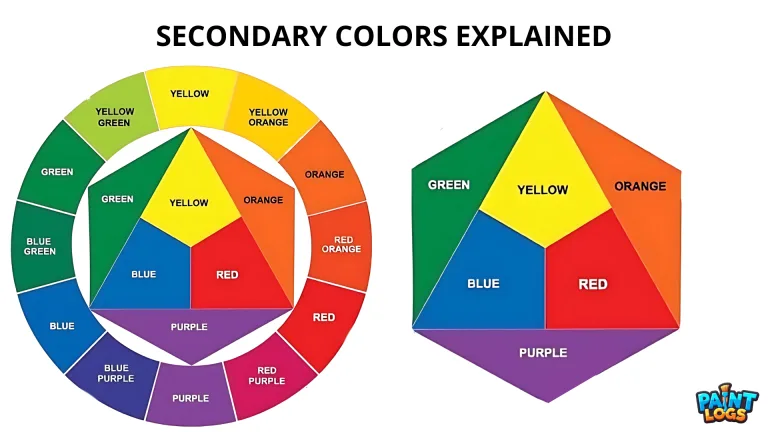
That’s because pink and green sit opposite each other on the color wheel. When combined, they cancel each other out, pulling the mix toward a neutral. I remember being surprised the first time I tried this. Instead of a bright spring color, I ended up with something that looked like weathered stone.
But here’s the interesting part: depending on the shades of pink and green you use, you can get a variety of earthy tones—some useful for shadows, backgrounds, or even subtle skin tones.
Let’s take a closer look at how this mix works, why the result changes with different shades, and how artists use it in real life.
Why Do Pink and Green Make Brown or Gray?
To understand what happens when you mix pink and green, let’s take a closer look at what they’re made of.
Pink is a light version of red—red with some white added in.
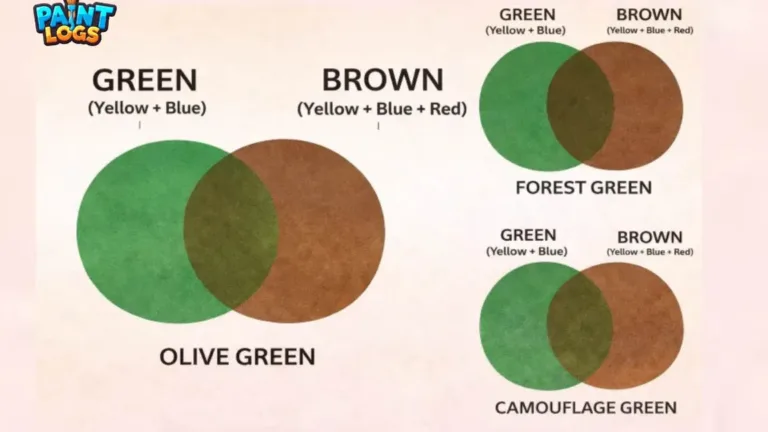
Green is made from blue and yellow.
So when you combine pink and green, you’re actually mixing all three primary colors: red, yellow, and blue. And in paint, when all three primaries come together, they tend to cancel each other out, creating a neutral color—usually brown or gray.
That’s why mixing pink and green won’t give you a bright new color. Instead, you’ll get a soft, muted tone. But the exact result depends on your mix—kind of like adjusting ingredients in a recipe.
- More pink gives you a rosy brown—warm and gentle.
- More green leads to an olive-brown or cool gray.
- Equal parts usually make a dusty, earthy brown that’s subtle but very usable.
Here are a few typical mixes:
- Soft pink + mint green → a pale gray-beige, like antique linen
- Hot pink + emerald green → a deep dull brown, like rich clay or tree bark
- Dusty rose + olive green → a grounded earthy taupe with soft depth
It’s not a flashy combination—but it’s one that shows up again and again in art, design, and nature, especially when you need to create natural, softened tones.

How Different Shades of Pink and Green Affect the Result
Not all pinks and greens are created equal. A pale blush behaves very differently than hot pink. The same goes for sage green vs. emerald.
The type of pink and green you use affects the final color in a big way. Some combinations make soft, grayish browns. Others lean into olive or mushroom tones. Some can even surprise you with a hint of purple or dusty mauve.
Here’s a chart to help visualize how different shades change the outcome:
| Pink Shade12 | Green Shade3 | Mixed Color Result | Description |
|---|---|---|---|
| Light pink | Mint green | Pale beige-gray | Soft, desaturated neutral |
| Hot pink | Emerald green | Deep brown | Rich, muddy tone |
| Blush pink | Sage green | Dusty mauve or taupe | Muted and earthy |
| Rose pink | Olive green | Warm brown with gray hints | Natural and subtle |
| Neon pink | Lime green | Grayish khaki or dull tan | Slightly strange and muted |
Pale Beige-Gray
Pale Beige-Gray is made by mixing light pink with mint green.
Deep Brown
Deep Brown is created by combining hot pink and emerald green.
Dusty Mauve
Dusty Mauve is formed by blending blush pink and sage green.
Warm Brown-Gray
Warm Brown-Gray comes from mixing rose pink with olive green.
Grayish Khaki
Grayish Khaki is made by combining neon pink and lime green.
Tip: When working with lighter or pastel tones, your result will often lean more toward gray. With bolder, darker shades, you’ll get deeper browns.

Paint vs. Light: Does It Change the Mixed Color?
Yes, and this is a fun one. The way colors mix depends heavily on what you’re mixing—paint or light.
In paint, which uses the subtractive color model (RYB), combining pink and green tends to give you browns and grays, because pigments absorb light and cancel each other out.
But in light, which follows the additive model (RGB), things work differently. Pink isn’t a pure wavelength—it’s made by combining red and blue light, with some white thrown in. Green light and pink light don’t actually mix the same way—they kind of clash. You may see whitish light, or one color might overpower the other.
| Medium | Model | Pink + Green Result |
|---|---|---|
| Paint | RYB (subtractive) | Brown or grayish neutral |
| Colored light | RGB (additive) | Usually pale or washed-out |
| Digital color | CMYK | Desaturated or muddy color |
So for most of us—whether we’re painting a canvas, designing a wall, or blending makeup—we’re working in the pigment world. And there, pink + green almost always leads to a toned-down neutral.

Examples of Pink and Green Mixes in Art and Design
While pink and green may not mix into a bright new hue, they still work beautifully in color palettes, especially when placed next to each other.
Designers and artists use them both to:
- Create contrast (since they’re complementary)
- Soften bright tones with subtle mixing
- Build muted backgrounds, skin shadows, and floral tones
Here are a few ways you’ll see these combos in the real world:
| Use Case | Pink + Green Relationship | Effect |
|---|---|---|
| Interior Design | Blush + sage | Soft, elegant, calming |
| Portrait Painting | Light pink + olive green | Natural-looking shadows and depth |
| Floral Art | Rose pink + leafy green | Botanical harmony, background shading |
| Branding / Fashion | Neon pink + lime green | Bold, edgy, youthful |
| Watercolor Backgrounds | Mixed into dusty browns or mauves | Neutral washes, earthy gradients |
Even if you’re not mixing them directly, knowing what they make together helps you choose colors that won’t clash—or better yet, will balance each other beautifully.

Can You Make Green from Pink? (And Vice Versa?)
This is a question that pops up often, and it’s a smart one—especially if you’re trying to stretch a limited palette.
Unfortunately, the short answer is: no, you can’t make green from pink, or pink from green.
Here’s why:
- Green is made from blue and yellow, and pink contains neither of those.
- (Also learn what colors make green for a deeper look at green mixing.)
- Pink is just red + white, and green doesn’t have any red in it.
- (Curious? Here’s how pink is made using different pigment combinations.)
So in terms of pigment, they don’t share ingredients. Mixing them won’t shift you toward either color—it’ll just neutralize the mix into something brown, gray, or beige.
But here’s the cool part: pink and green can balance each other out. Many artists use tiny amounts of green to tone down overly bright pinks (like in flower petals or skin tones), or add pink to green to create a more natural olive shade.
They won’t help you build each other from scratch—but they do work beautifully to dull or balance each other.


Pink and Green Color Mixing Chart (Paint Examples)
Let’s look at a few real-world mixing examples using common pink and green shades. These aren’t hard science—just typical results based on artist experiments using the RYB color model.
| Pink Used | Green Used | Resulting Color | Looks Like |
|---|---|---|---|
| Light pink | Mint green | Pale gray | Dusty fog, soft linen |
| Rose pink | Olive green | Taupe or dusty mauve | Aged wall, warm shadow |
| Bubblegum pink | Kelly green | Muddy brown | Wet clay, dark mushroom |
| Coral pink | Sage green | Muted peach-tan | Desert stone, skin undertone |
| Hot pink | Emerald green | Deep reddish brown | Potting soil, earthy velvet |
Try mixing these in small amounts first. You’ll often discover beautiful neutrals that are far more interesting than pure browns from a tube.

Conclusion: Why Mixing Pink and Green Is More Useful Than You Think
So, what color does pink and green make? Most often, a muddy brown, soft gray, or earthy taupe—not the bright spring mix you might expect. But instead of seeing that as a disappointment, think of it as an opportunity.
When you blend these complementary opposites, you unlock a subtle world of neutrals that’s full of character. From dusty mauves to khaki browns, these tones are perfect for shadow work, muted backgrounds, floral depth, or natural-looking skin tones.
Whether you’re mixing paints on a palette or building a color scheme for design, understanding what pink and green create—and why—gives you more control and nuance in your art.
Try experimenting with different shades, ratios, and even a dab of white to soften the mix. You’ll discover tones that are earthy, grounded, and surprisingly versatile.
🎨 What color combo should we mix next? Let’s explore it together!
FAQs
Q: What color does pink and green make when mixed?
Usually a muted brown or gray, depending on the shades and the ratio.
Q: Why do pink and green make brown or gray?
Because pink (red + white) and green (yellow + blue) combine all three primary colors, which cancel each other out.
Q: Can you make pink from green?
No—green doesn’t contain red or white, so it can’t produce pink.
Q: Can you make green from pink?
No—pink lacks both yellow and blue, which are needed to make green.
Q: Do different pinks and greens change the result?
Yes. Soft pinks and pastel greens make lighter neutrals; bold or dark shades create deeper, muddier browns.
Q: What happens if I mix pink and green in digital art?
In digital programs (RGB model), pink and green usually create a pale, desaturated tone—not the same as in paint.
Q: Is mixing pink and green useful in painting?
Yes. Artists often use it to tone down bright colors and create realistic shadows or skin tones.
Q: What if I add white to a pink and green mix?
It softens the result, turning the color into a lighter taupe, beige-gray, or greige.
Q: Do pink and green look good together even if I don’t mix them?
Yes! Pink and green are complementary colors and pair beautifully in design, fashion, and floral themes.