
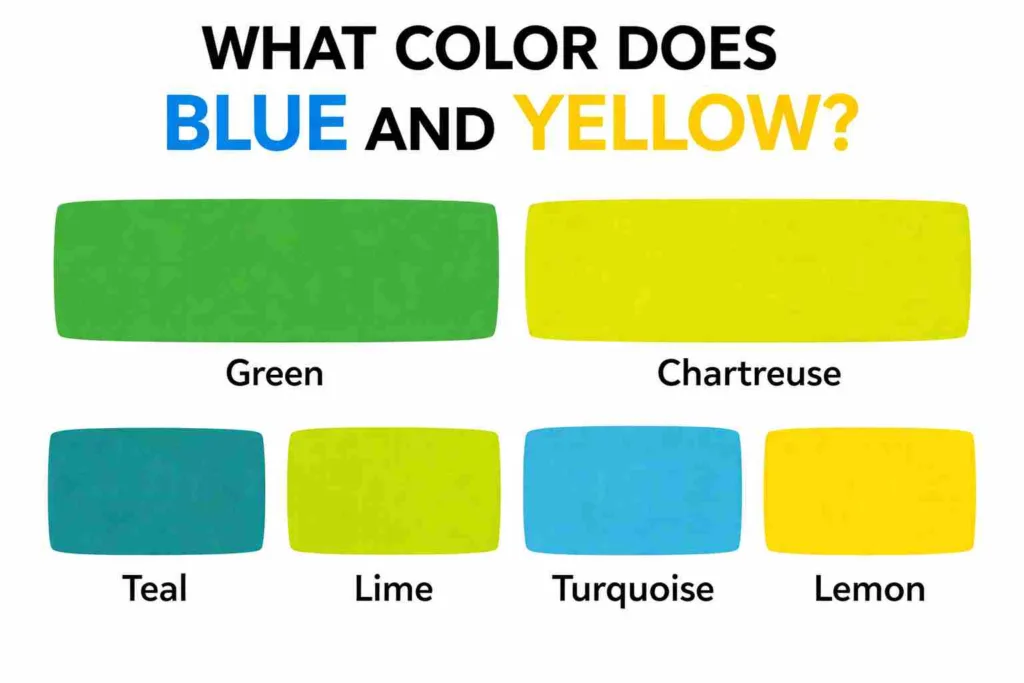
What color do blue and yellow make when mixed? When blue and yellow are mixed, the result is always green, a secondary color in the RYB (Red, Yellow, Blue) color model. Blue and yellow are both primary colors, so when combined, they create the vibrant and versatile green, a color often associated with nature, growth, and balance. However, the specific shade of green you get depends on the exact hues of blue and yellow used, as well as how much of each color is mixed together.
In this complete color mixing guide, we’ll explore why blue and yellow make green, the different shades of green you can create, and how this combination works in various artistic mediums.
Whether you’re painting, designing digitally, or working on a creative project, this guide will help you master the nuances of mixing these two colors.
Let’s break it down and discover the beautiful variety of greens that emerge when blue and yellow come together.
Quick Answer: What Color Do Blue and Yellow Make?
When blue and yellow are mixed, the resulting color is green.
Blue + Yellow = Green
This combination is one of the simplest and most reliable examples of primary color mixing in the world of visual art and design. However, not all greens are created equal—different combinations of blue and yellow can result in light or dark, warm or cool, and vibrant or muted shades of green.
Let’s explore some of the common color variations that occur when mixing these two primary colors.

Different Shades of Green When Mixing Blue and Yellow
Now that we understand the basic outcome of blue and yellow mixing into green, it’s time to look at the variety of greens that can be created. The final shade of green can differ based on the specific hues of blue and yellow used in the mix. The proportions of each color also play a major role in determining whether the resulting green will be bright and vibrant or muted and earthy.
Below, we present a detailed table showing a variety of blue and yellow combinations and the resulting shades of green.
Table: Blue and Yellow Color Mixes
| Blue Shade | Yellow Shade | Resulting Green | Description |
|---|---|---|---|
| Azure Blue | Lemon Yellow | Vibrant Green | A bright and clear lime green. |
| Cobalt Blue | Golden Yellow | Olive Green | A muted, earthy green with brown undertones. |
| Teal Blue | Yellow Ochre | Darker Olive Green | A more subdued, green-brown olive shade. |
| Turquoise Blue | Mustard Yellow | Warm Olive Green | A rich, warm green with a yellow undertone. |
| Cerulean Blue | Cadmium Yellow | Forest Green | A deep and lush green, resembling deep forest hues. |
| Ultramarine Blue | Sunflower Yellow | Bright Chartreuse | A bold yellow-green, bright and attention-grabbing. |
| Navy Blue | Butter Yellow | Moss Green | A deep, muted green with a yellow-brown tint. |
| Prussian Blue | Pale Yellow | Mint Green | A soft, pastel green with a cool undertone. |

Why Different Blue and Yellow Mixes Create Different Greens
The specific shades of blue and yellow you use play a significant role in the final green shade. When mixing these colors, there are two main factors that influence the outcome: temperature and proportion.
- Warm vs. Cool Colors:
- Warm blues (like turquoise blue) tend to create warmer greens (such as olive green or chartreuse).
- Cool blues (like azure blue) typically create cooler greens (like mint green or seafoam).
- Warm yellows (like cadmium yellow) lean towards creating earthy, yellowish greens.
- Cool yellows (like lemon yellow) will produce brighter, more vibrant greens.
- Proportions of Blue and Yellow:
- More blue in the mix results in cooler, deeper shades of green.
- More yellow leads to warmer, lighter shades of green.
By adjusting the amount of blue or yellow you use, you can fine-tune the shade of green to suit your needs.
Adding White or Black to Adjust Green
One of the joys of color mixing is the ability to adjust your results. By adding white or black to the blue-yellow mix, you can create a wide range of tints (lighter colors) and shades (darker colors).
- White: Adding white lightens the resulting green, creating soft pastel greens like mint green or pale chartreuse.
- Black: Adding black darkens the green, producing deeper, richer shades like forest green or hunter green.
Here’s a quick guide on how the addition of white or black can modify your green:
| Modification | Resulting Shade | Description |
|---|---|---|
| Blue + Yellow + White | Mint Green | A soft, pastel green with a cool undertone. |
| Blue + Yellow + Black | Forest Green | A dark, rich green, ideal for deep shadows and natural designs. |
| Blue + Yellow + White + Black | Sage Green | A muted, earthy green with both lightness and depth. |
Mixing Tints and Shades of Green
Now that we’ve looked at how to adjust green with white and black, let’s dive deeper into how different blues and yellows, along with varying amounts of white or black, create new green hues.
- Tints of Green: To create a tint of green, simply add white to your blue and yellow mixture. This lightens the color and creates softer pastel greens that are perfect for delicate designs, backgrounds, or nature-inspired artwork.
- Example: Mix azure blue with lemon yellow, then add white to create a soft, pastel mint green.
- Shades of Green: To make a shade of green, add black to darken the color. This results in richer, deeper greens that are often used for shadows, forest landscapes, or more dramatic effects.
- Example: Combine turquoise blue with mustard yellow and add black to achieve a forest green or olive green.
Blue and Yellow in Paint: RYB Color Model Results
In traditional painting, blue and yellow are mixed according to the RYB color model. This model, based on subtractive mixing, combines primary colors to create secondary colors. However, creating pure, vibrant green paint can be tricky, as many paint colors have underlying hues that affect the outcome.
- For example, a cadmium yellow mixed with ultramarine blue might result in a different shade of green than lemon yellow mixed with cerulean blue.
- The presence of other pigments in your paints (such as red undertones) can sometimes muddy the resulting green.

Artistic Uses of Blue and Yellow Together
Now that we’ve explored the theory and mixing results of blue and yellow, it’s time to look at how artists, designers, and creators use these colors in the real world. The green created by mixing blue and yellow has a wide range of artistic applications. From painting landscapes to fashion design, green plays a significant role in conveying meaning and evoking emotions.
In Fine Art
One of the most common uses of green in art is in landscape painting. Green is often associated with nature, growth, and tranquility, making it ideal for painting scenes of forests, fields, and gardens. The combination of blue and yellow produces a variety of green hues, from the vibrant greens of spring to the deep, shadowy greens of dense forests.
- Impressionist Landscapes: Many famous artists, such as Claude Monet, used variations of green to depict natural settings. For example, Monet’s “Water Lilies” showcases how different shades of green, from bright chartreuse to deeper olive, can add depth and harmony to a natural scene.
- Floral Art: Green is often used in floral arrangements to depict the foliage around flowers. The ability to mix a range of greens by adjusting the blue and yellow tones gives artists the flexibility to create lush, realistic greenery or subdued, muted foliage.
In Fashion and Design
The combination of blue and yellow resulting in green isn’t limited to the visual arts; it’s also widely used in fashion and interior design.
- Fashion: The cool greens, like mint and teal, are often used in spring collections due to their light and refreshing feel. On the other hand, the deeper greens, like forest green or olive, are often seen in fall/winter collections. These shades evoke a sense of nature, renewal, and calm.
- Interior Design: Green is a popular color for creating a calm, balanced atmosphere in spaces. Light, vibrant greens (like mint or chartreuse) are used in modern or contemporary interiors, while darker greens (like olive or hunter green) are often used in vintage, boho, or eco-friendly designs to create a more grounded and natural vibe.
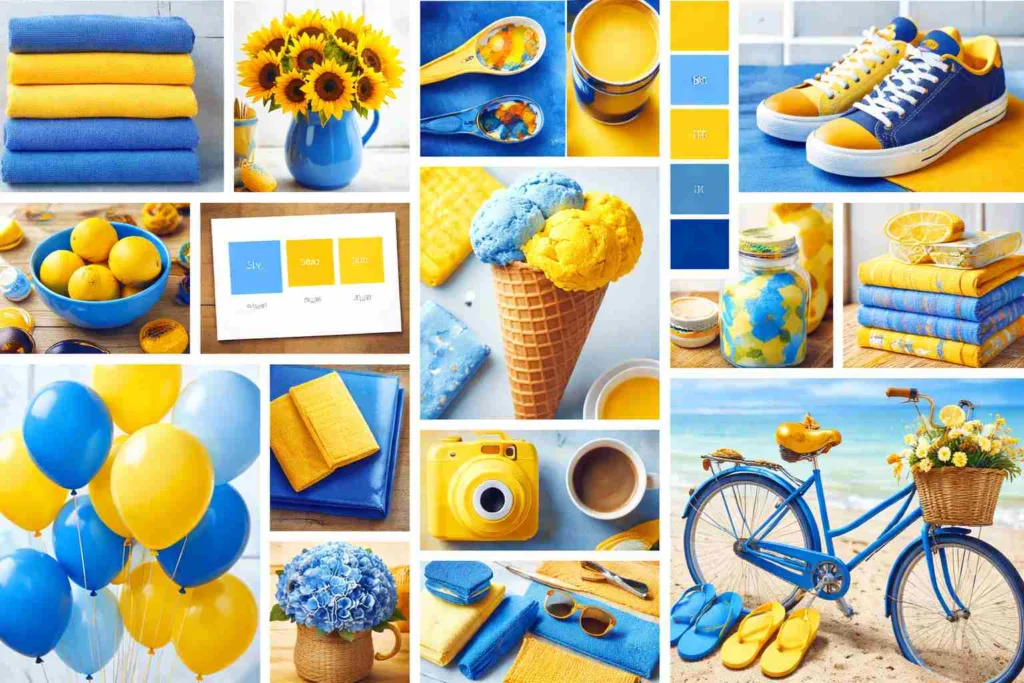
The Significance of Blue and Yellow
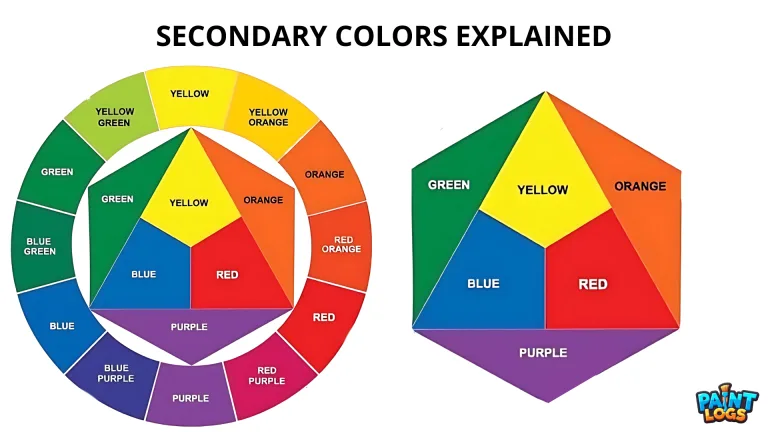
Blue and yellow are both primary colors in the RYB color model. Primary colors are those that cannot be created by mixing other colors. Instead, they form the foundation of other colors. By mixing two primary colors, like blue and yellow, you can create secondary colors.
- Blue is a primary color, and yellow is another primary color.
- Combining blue and yellow creates the secondary color green, a color often associated with nature, growth, and balance.
Though green is the most common outcome, the specific shade of green depends heavily on the exact hues of blue and yellow used, as well as any additional colors or tints that are introduced.
Using Green in Digital and Graphic Design
When mixing blue and yellow digitally (using the RGB color model), the results can range from cyan to a muted green, depending on the specific settings in the design software. Green is often used in web design and branding to signify growth, balance, and harmony. For example, many eco-friendly brands use shades of green to reflect their sustainable practices.
- Web Design: Green is commonly used in web design for eco-related websites or health-related brands. It’s known to evoke feelings of trust, tranquility, and wellbeing.
- Branding: Companies that focus on organic products or sustainability may use green in their logo or website to connect with customers on an emotional level related to health and nature.
Adjusting the Green: How to Experiment with Shades of Green
As we’ve seen, mixing blue and yellow can create a wide variety of green shades. But how do you adjust these greens to fit your specific needs? Let’s explore how you can adjust the mix to achieve different results by adding white, black, and even other colors.
Using White, Black, and Other Colors
- White: Adding white to the blue-yellow mixture creates tints of green. These lighter versions of green are perfect for pastel designs, soft backgrounds, or spring-themed art.
- Example: Adding white to a vibrant green like the one from azure blue and lemon yellow creates a soft mint green that can evoke a calming or refreshing atmosphere.
- Black: Adding black creates shades of green, which are deeper and more intense. These darker greens are ideal for creating depth, shadows, and moodier effects in art and design.
- Example: Add black to turquoise blue and mustard yellow to make a dark olive green, great for earthy, vintage-inspired designs or nature scenes.
- Other Colors:
Here’s a quick guide:
| Modification | Resulting Shade | Description |
|---|---|---|
| Blue + Yellow + White | Mint Green | A soft, pastel green with a cool undertone. |
| Blue + Yellow + Black | Forest Green | A dark, rich green, ideal for deep shadows and natural designs. |
| Blue + Yellow + Red | Brown or Muddy Green | Combination of all three primary colors results in a muted brownish green. |
| Blue + Yellow + Purple | Cool Green | Adds a teal or mint-like tone to green. |
What Happens When You Mix Blue and Yellow with Other Colors?
The true magic of color mixing happens when you introduce other colors to the mix. By adding red, white, black, or even purple to the blue-yellow-green mix, you can achieve a range of different shades and tones.
- Blue, Yellow, and Red: Mixing all three primary colors will result in a brown or muddy green. The addition of red to the mixture will shift the resulting color toward a more earthy or neutral tone.
- Blue, Yellow, and White: Adding white lightens the green, producing mint green or pale green, which works well in delicate or spring-themed designs.
- Blue, Yellow, and Black: Mixing black into blue and yellow results in darker shades like hunter green, forest green, or olive, which are perfect for creating depth and mood in your artwork or design.
Here’s a table summarizing how different combinations affect the color:
| Combination | Resulting Color | Description |
|---|---|---|
| Blue + Yellow + Red | Brown or Muddy Green | Combination of all three primary colors. |
| Blue + Yellow + White | Mint or Pale Green | Lightened greens for soft, fresh hues. |
| Blue + Yellow + Black | Dark Green | Deeper shades like forest green. |
Conclusion: The Endless Possibilities of Blue and Yellow Mixing
In conclusion, mixing blue and yellow always results in green, but the exact shade can vary based on the types of blue and yellow used. Whether it’s the vibrant lime green from cool blues and yellows or the rich, earthy olive green from warmer tones, this combination offers endless creative potential. By adjusting the proportions of blue and yellow or adding other colors like white or black, you can create everything from soft, pastel greens to deep, dark greens. These variations make blue and yellow a versatile pair in both traditional and digital art.
Incorporating green in your projects, whether for art, design, or branding, allows you to evoke feelings of growth, balance, and nature. The mixture of blue and yellow is not only fundamental in art but also in various aspects of design and fashion, contributing to fresh and harmonious aesthetics.
If you’re curious about how colors interact with blue and yellow, Paintlogs has plenty of guides to explore. See how yellow and white mix to create soft tints, or how yellow and green produces fresh, vibrant tones. Learn what happens when blue and green are mixed or when blue and purple combine for cooler shades. You can also explore complementary and contrasting mixes like red and blue and blue and orange for bold color effects. For warm tones with yellow, check out orange and yellow or playful mixes like yellow and pink. These guides will help you understand color theory better and give you ideas for painting, digital design, and home decor projects.
FAQs
Q: What color does blue and yellow make when mixed?
A: Blue and yellow make green when mixed together.
Q: Can mixing blue and yellow make other colors?
A: While blue and yellow usually create green, adding other colors like red or black can produce different shades of green, brown, or darker tones.
Q: What type of green do blue and yellow make?
A: The type of green depends on the shades of blue and yellow used. Cool blues make brighter greens, while warm blues create deeper, earthy greens.
Q: Can I make blue from yellow and other colors?
A: No, blue is a primary color and cannot be made by mixing yellow with other colors.
Q: How do different blues affect the green made by mixing with yellow?
A: Cooler blues create vibrant, cooler greens, while warmer blues produce more subdued, earthy greens.
Q: What happens when you add white to blue and yellow?
A: Adding white lightens the green, creating softer shades like mint or pastel greens.
Q: What happens when you add black to blue and yellow?
A: Adding black darkens the green, producing deeper shades like forest green or olive green.
Q: Can blue and yellow create a brownish color?
A: Yes, if the blue or yellow has red undertones, the mix can turn into a brownish or muddy green.
Q: What are the artistic uses of blue and yellow together?
A: Blue and yellow are used in art for creating vibrant landscapes, in fashion for bright, fresh designs, and in interior design to evoke nature and calm.
Q: How does the CMYK model affect blue and yellow mixing?
A: In the CMYK model, blue (cyan) and yellow mix to create green, but adding other colors like magenta can create earthy tones.
Q: Why is blue and yellow an important color combination?
A: Blue and yellow are primary colors that combine to form green, which symbolizes growth, balance, and nature, making it vital in art and design.
Q: Can I make green with just yellow and blue pigments?
A: Yes, mixing yellow and blue pigments creates a wide range of green shades depending on the ratios used.