
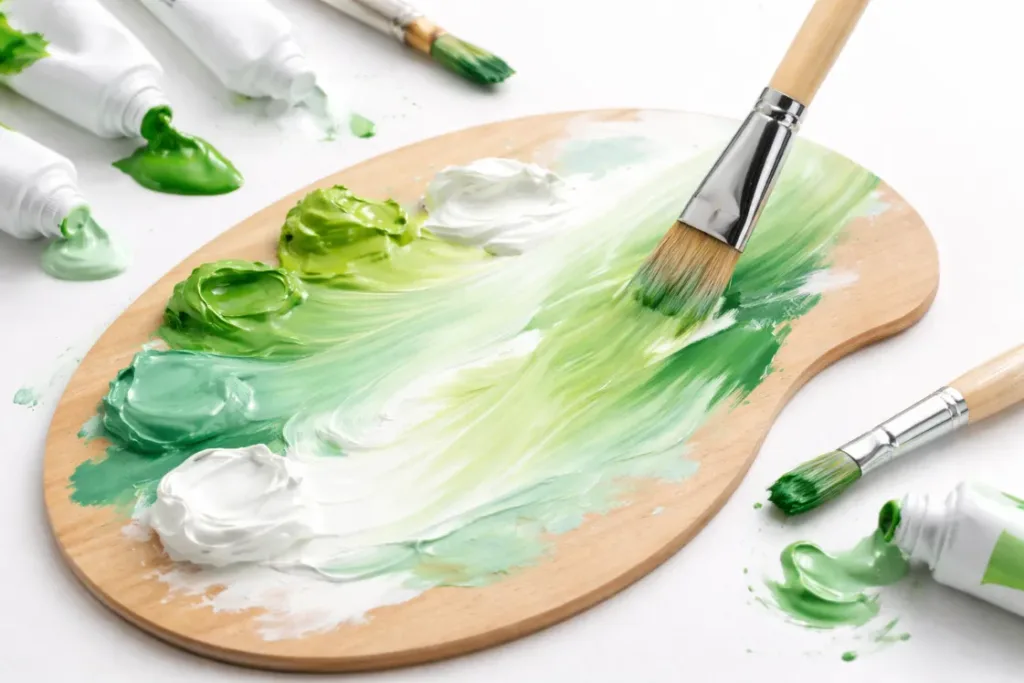
What Color Do Green and White Make? Mixing green and white together typically results in softer, lighter shades of green, such as mint green, sage green, pistachio, or celadon green. The more white you mix in, the lighter and more pastel the color becomes. This color combination is ideal for creating calming, refreshing, and harmonious designs
Understanding how green and white interact opens up a wide range of possibilities for your creative projects, whether you’re an artist mixing paint, a designer looking for the perfect color palette, or someone working on a DIY project. These two colors are frequently found together in nature, think of grassy fields, lush forests, and snow-covered landscapes, and their combination can evoke tranquility, freshness, and harmony in design.
In this guide, we’ll break down the various shades you can create by mixing green and white, explain how to adjust them for specific needs, and explore how this color combo is used in art, fashion, and interior design.
What Happens When You Mix Green and White?
Mixing green and white together generally results in a lighter, softer shade of green. This occurs because white acts as a tinting agent, lightening the green without affecting its underlying hue. The more white you mix in, the lighter and softer the resulting color becomes. You can achieve various shades of light green, ranging from mint green to pastel sage, depending on the amount of white you use.
Green + White = Lighter Green (Tints of Green)
The general result of mixing these two colors will yield light green as the primary shade. However, depending on the specific green and amount of white mixed, you can achieve various hues. These colors are particularly favored in design for their calm, serene qualities.
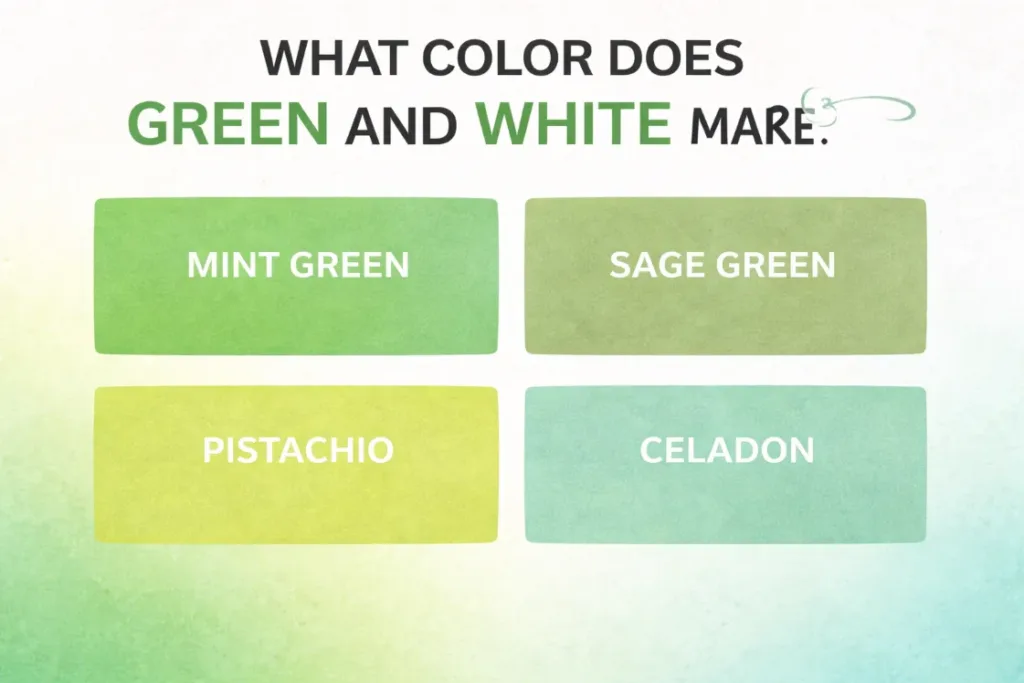
General Results of Mixing Green and White:
- Light Green: The most common result of mixing green and white. It’s typically a pastel version of green, perfect for creating soft and calming designs.
- Mint Green: When a cooler, blue-green shade is used, mixing it with white results in mint green, a fresh, vibrant color that evokes a sense of refreshment and newness.
- Sage Green: Mixing a more muted yellow-green with white can produce sage green, an earthy and natural tone that’s sophisticated and often associated with serenity and nature.
- Pistachio Green: For a warmer, more yellowish-green mix, you might get pistachio green, which feels soft and inviting, often seen in nature and in designs meant to evoke peace.
- Celadon Green: A pale, bluish-green color created by mixing a cool-toned green with white. Celadon is a muted green that can feel both traditional and modern.
- Pastel Lime: If a more vivid, yellow-green shade is mixed with white, it creates a pastel lime, a lively, energetic tone perfect for fun and contemporary design.
Now that we know mixing green and white produces beautiful lighter shades, let’s break down how varying the amount of white changes the result.
| Green Shade | White Ratio | Mixed Color Result |
|---|---|---|
| Pure Green | 0% White | Medium Green |
| Light Green | 10-20% White | Soft Green |
| Mint Green | 20-30% White | Mint Green |
| Sage Green | 30-40% White | Sage Green |
| Pistachio Green | 40-50% White | Pistachio Green |
| Celadon Green | 50-60% White | Celadon Green |
| Pastel Lime | 60-70% White | Pastel Lime |
| Pale Green | 70-80% White | Very Light Green |
| Nearly White Green | 80-90% White | Almost White Green |
Mixing Light Green and White: What Color Does This Make?
When you combine light green with white, the resulting color is typically a very pale or pastel green. This combination is ideal for achieving a soft, calming tone, perfect for creating spaces or designs that need a gentle, serene atmosphere.
Resulting Color:
- Pastel Green: A soft, light green that is ideal for spring-inspired designs, nursery rooms, or light, airy fashion.
- Mint Green: With the right green shade, mixing light green and white creates a cooler mint shade that can evoke a refreshing and revitalizing vibe.
Applications: Light green and white are perfect for minimalistic and fresh designs. Whether it’s for a bedroom wall or a fashion accessory, the soft tones complement a variety of spaces and styles.
Mixing Dark Green and White: What Color Does This Make?
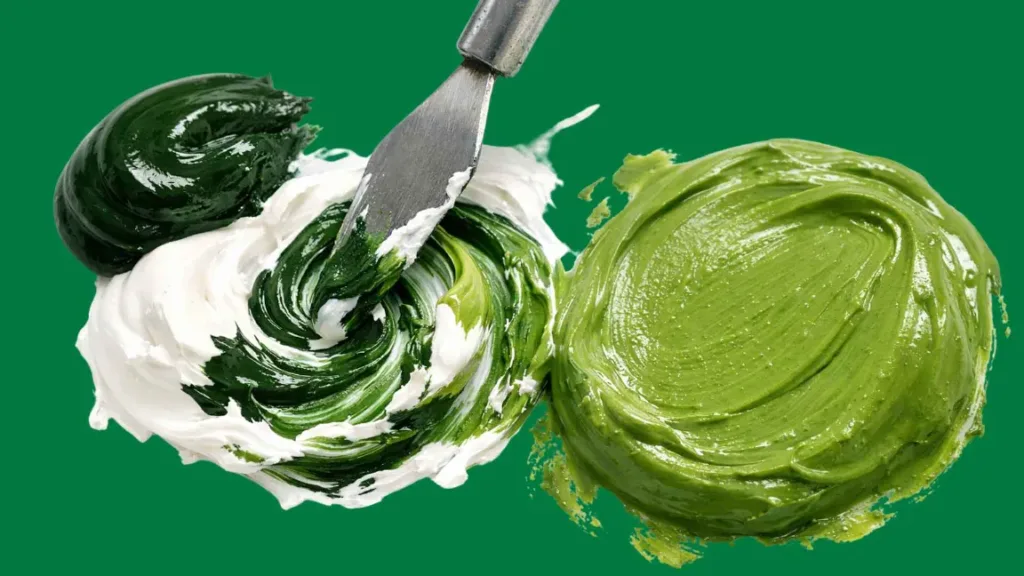
When you mix dark green with white, you get a lighter, yet muted version of dark green. The result tends to be a forest-like green or a deep mossy tone that still retains the richness of dark green, but with a softer, paler appearance.
Resulting Color:
- Moss Green: A deep, yet soft green that works well in natural or earthy-themed designs.
- Light Forest Green: The mix of dark green and white can create a fresh forest green, perfect for outdoor or nature-inspired themes.
Applications: This combination is often used in interior design for creating earthy and grounded spaces. It’s ideal for cozy living rooms, rustic interiors, or even fashion like bohemian or outdoor-inspired outfits.
The Influence of Different Green Tones on the Mixture
Not all greens are created equal. The specific shade of green used in the mix will significantly impact the final result. Let’s explore how different green tones interact with white to create various shades:
Yellow-Green and White:
- When yellow-green (like lime or chartreuse) is mixed with white, the result is a bright, vibrant green with yellow undertones. This creates a lighter lime or pale yellow-green, ideal for adding a lively, energetic tone to designs.
Blue-Green and White:
- Mixing blue-green (such as teal) with white results in a cooler tone—often a mint green or seafoam color. This combination is perfect for designs that need a calming, soothing feel, like spa designs or beach-inspired decor.
Olive Green and White:
- Olive green mixed with white creates a muted, earthy tone, often referred to as sage or moss green. This mix gives off a more subdued and natural feel, perfect for creating rustic or organic designs.
How to Mix Green and White for Specific Shades
Achieving the exact shade of green you want when mixing it with white requires some trial and error. Here’s how you can control the lightness and intensity of the resulting color:
Adjusting for Lighter Green:
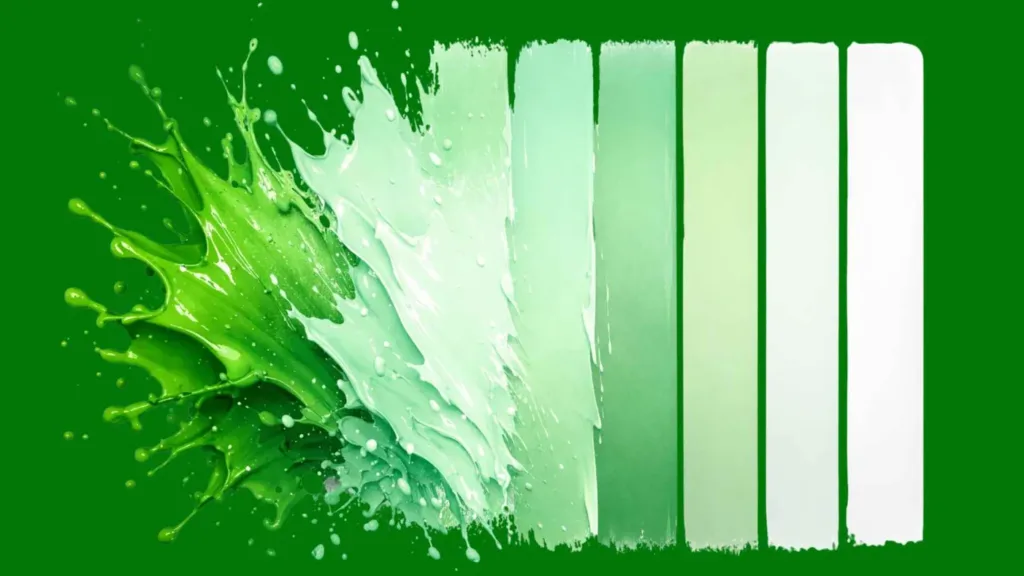
- To make a pale pastel or mint green, simply add more white to your mixture. If you want a softer, cooler version of green, start with a blue-green shade, and add white to lighten it.
Adjusting for Darker Green:
- If you’re working with a dark green and want a richer tone, adding white will lighten the shade but may cause it to lose some vibrancy. For a darker, more intense green, add a small amount of black instead.
Mixing Green and White with Other Colors: What Color Do They Make?
Now, let’s expand our exploration of green and white by mixing them with other colors. The combination of green and white is versatile, and when paired with additional colors, the results can vary even more. These combinations are useful for a range of projects, from art to design to fashion.
Green, White, and Yellow
When green, white, and yellow are mixed together, the result is typically a vibrant yellow-green or a light lime. This creates a cheerful, energetic tone that’s perfect for lively designs. The combination is often seen in spring-themed decor and playful fashion choices.
- Resulting Color: Lime green, yellow-green.
- Use: Great for retro designs, youthful fashion, or outdoor-themed decor.
Green, White, and Red
Mixing green, white, and red results in a muted or earthy red-brown tone, with the red adding a rich, warm element to the mix. This combination is ideal for creating autumn-themed designs or even earthy color palettes in interior decor.
- Resulting Color: Rusty brown or deep red.
- Use: Perfect for fall decor, autumn-themed outfits, and earthy designs in art and home styling.
Green, White, and Blue
The mix of green, white, and blue produces a cooler, more serene shade. The result could be mint green, seafoam, or turquoise, depending on the ratio of colors. This combination is calming and ideal for creating tranquil and relaxing spaces or designs.
- Resulting Color: Mint green, turquoise, seafoam.
- Use: Excellent for beach-inspired decor, spa themes, or serene bedroom designs.
Green, White, and Purple
Mixing green, white, and purple results in a muted moss green or dusty lavender-brown. This combination gives a natural, earthy feel while also introducing a touch of mystery with the purple. It’s often used in whimsical art or vintage designs.
- Resulting Color: Mossy green, lavender-brown.
- Use: Ideal for vintage-inspired art, whimsical designs, or nature-themed fashion.
Green, White, and Orange
When green, white, and orange are mixed, you get a burnt orange or earthy olive shade. This combination is vibrant and warm, evoking fall leaves, sunset hues, or autumn landscapes. It works great for designs that need a bold and inviting touch.
- Resulting Color: Burnt orange-brown, earthy green.
- Use: Perfect for autumn decor, bold fashion statements, or earthy interior designs.
Green, White, and Pink
The combination of green, white, and pink creates a soft blush olive or a muted brown-pink shade. This mix is gentle, romantic, and vintage-inspired, perfect for creating vintage outfits or soft floral designs in art and decor.
- Resulting Color: Blush olive, muted pink-brown.
- Use: Great for romantic decor, vintage fashion, or pastel-themed artwork.
Green, White, and Black
Adding black to green and white deepens the resulting color, turning it into a rich, dark green with a touch of mystery and depth. This combination is ideal for creating sophisticated or dramatic looks in interior design or fashion.
- Resulting Color: Dark forest green, muted olive.
- Use: Perfect for elegant designs, sophisticated interiors, or dramatic fashion.
Practical Applications of Green and White in Design
Now that we’ve explored how mixing green and white with other colors can lead to a variety of tones, let’s look at how these combinations are used in the real world, from fashion to interior design and art.
Interior Design
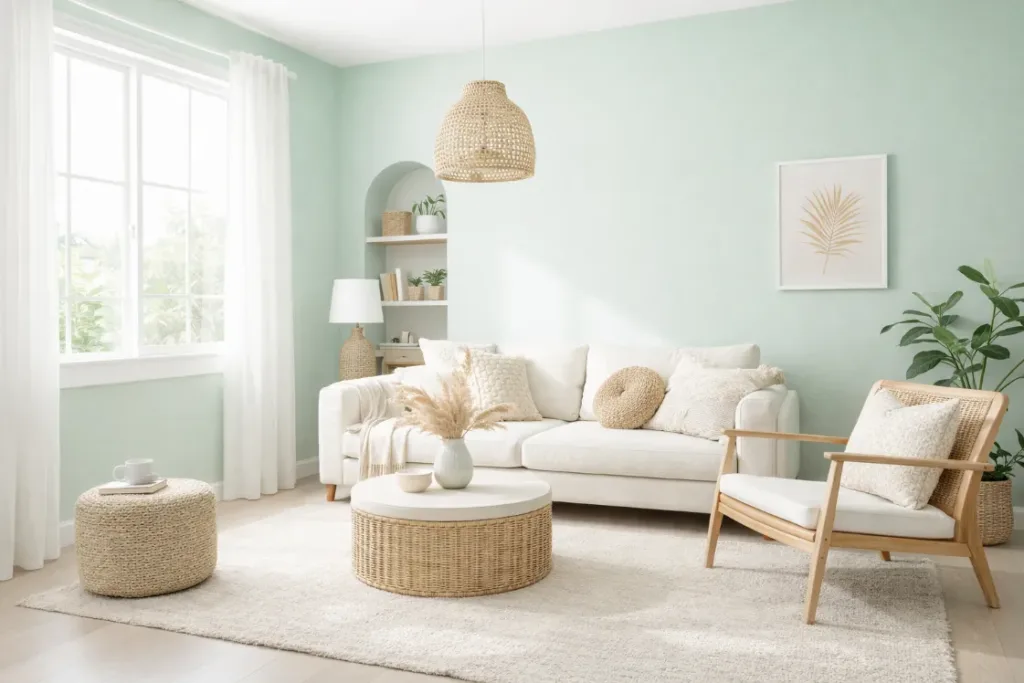
Green and white combinations are widely used in home decor to create fresh, calming, and natural atmospheres. For example, green walls with white accents help bring the outdoors inside, offering a serene and peaceful environment. You can create a spa-like vibe with mint green paired with white, or a more rustic, earthy look with olive green and white.
- Mint Green and White: A light, fresh color combination that creates a tranquil, soothing ambiance in bedrooms or bathrooms.
- Olive Green and White: Perfect for rustic, natural designs, often seen in living rooms or kitchens with wooden furniture or earthy accessories.
Fashion
In fashion, green and white are great for creating a fresh, natural look. This combination works well for spring collections or summer outfits, giving a clean, bright appearance. White serves as the neutral base, while green adds vibrancy and energy.
- Mint Green and White: A soft, pastel combination ideal for summer dresses, light sweaters, or casual wear.
- Olive Green and White: Great for creating a boho or earthy look, perfect for jackets, scarves, or bags.
Art
In the world of art, green and white are often used to create natural landscapes or organic scenes. Artists often combine these colors to depict moss, grass, or trees. The light green shades can represent fresh plants, while white can be used to highlight snow, light, or create contrast.
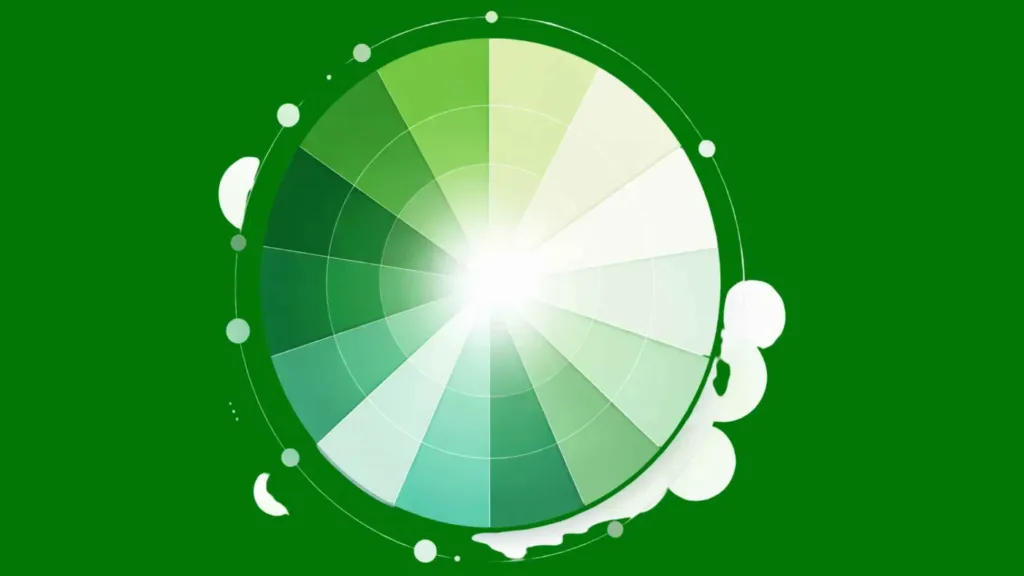
Color Psychology: What Does Green and White Represent?
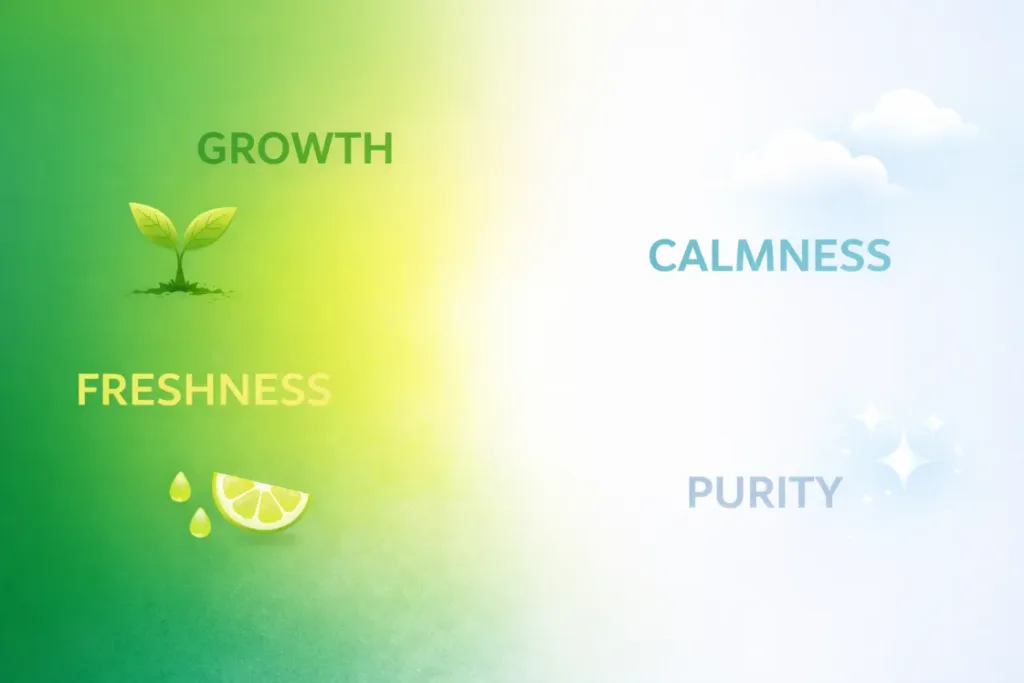
Both green and white carry strong psychological meanings, making their combination a powerful tool in design.
Green Color Psychology
- Growth: Green is often associated with growth, renewal, and nature. It has a calming, balancing effect and is often linked to health and well-being.
- Balance: As a color found in nature, green symbolizes balance, harmony, and restoration. It helps create a sense of calm and tranquility.
White Color Psychology
- Purity: White is traditionally linked to purity, clarity, and simplicity. It is a neutral color that provides balance and a sense of freshness.
- Cleanliness: White also symbolizes cleanliness and new beginnings, making it perfect for designs that need to feel fresh and inviting.
Combined Meaning
Together, green and white represent growth, renewal, and fresh beginnings, making them ideal for creating spaces and designs that promote peace, harmony, and natural beauty.
How to Adjust the Mix: Add Other Colors
You can always customize your green and white mix by adding other colors. Whether you want to brighten, deepen, or tone down the resulting shade, here’s how you can tweak the mixture:
Add Yellow:
- Yellow adds vibrancy and warmth, creating a brighter and more energetic shade of green.
Add Black:
- Black can give your mix a deeper, richer tone, creating a dark forest green that adds sophistication and depth to your design.
Add Blue:
- Blue adds a cooler tone, creating a mint green or turquoise that works well for serene and peaceful designs.
Best Color Combinations with Green and White
When it comes to combining green and white, there are endless possibilities to explore. These two colors can pair beautifully with a wide range of others, enhancing their natural appeal and creating a cohesive design in various settings, from fashion to interior decor. Here are some of the best color combinations that work well with green and white:
Green and White with Gray
Pairing green and white with gray creates a balanced and calming effect. The neutral gray tones bring out the brightness of green while softening the overall look. This combination is often used in modern interior designs, where clean, neutral tones are balanced with nature-inspired greens.
- Use: Ideal for minimalist designs, contemporary decor, and professional settings where tranquility is desired.
Green and White with Yellow
When yellow is introduced to green and white, the result is often a fresh, sunny combination. The bright, energetic yellow adds a cheerful touch, making the mix perfect for spring-themed decor or outdoor fashion. This combination feels vibrant and alive, ideal for creating inviting spaces.
- Use: Great for spring designs, children’s rooms, or outdoor fashion that calls for a burst of energy.
Green and White with Brown
The combination of green, white, and brown creates a natural, earthy aesthetic that is commonly seen in rustic or organic designs. The brown adds warmth, while green brings the vibrancy of nature. This pairing works well in both interior design and fashion to create a grounded, earthy atmosphere.
- Use: Perfect for rustic interior designs, earthy fashion, and nature-inspired artwork.
Green and White with Blue
Combining green and white with blue results in a fresh, cool combination, evoking images of the sky, ocean, and nature. This mix works well in creating relaxing spaces and calming designs, often used in coastal decor or spa-inspired interiors.
- Use: Ideal for bedrooms, bathrooms, or wellness spaces where tranquility and relaxation are priorities.
Green and White with Pink
When pink is added to green and white, the combination results in a soft, romantic palette. This pairing is often seen in vintage designs and feminine fashion, creating a look that is gentle and inviting. The pink adds a warm, soft tone that balances out the cooler shades of green and white.
- Use: Perfect for wedding decor, vintage-inspired fashion, or soft, romantic designs.
Green and White with Black
Adding black to green and white creates a sophisticated and dramatic look. Black deepens the tones, making the green appear more bold and rich. This combination works well in modern, elegant spaces and high-fashion outfits where a touch of luxury is desired.
- Use: Ideal for elegant interiors, fashion-forward outfits, or bold, contemporary designs.
Conclusion
Mixing green and white creates a lighter, more subdued version of green, perfect for creating calm, fresh, and natural designs. Whether you’re working on art, fashion, or interior design, the combination of these two colors offers a wide range of possibilities, from soft mint greens to pastel sages.
Adding different shades of green, like yellow-green, blue-green, or olive green, can create an even broader spectrum of results, making this duo highly adaptable to various creative needs. Experimenting with white, whether in paint, fashion, or decor, allows you to create custom shades that are gentle and inviting while still retaining the vibrancy of green.
FAQs – Green and White Color Mixing
What happens when you mix green and white?
Mixing green and white creates a lighter, softer shade of green, such as mint or pastel green.
What color does green and white make when mixed?
The result is typically a pale green, mint, or sage, depending on the amount of white used.
Can mixing green and white create a mint color?
Yes, especially when a blue-green shade is used, resulting in a cooler mint green.
What color do I get if I mix yellow-green and white?
Mixing yellow-green with white creates a brighter lime or yellowish-green, perfect for lively designs.
How do I mix dark green and white for a lighter shade?
Mixing dark green with white results in a light forest green or muted moss green, which remains deep but softer.
What is the result of mixing green, white, and yellow?
This combination typically results in a light lime green or a yellowish-green tone, giving it a bright and energetic look.
Does adding white to green make it lighter?
Yes, adding white to green creates a lighter, softer shade of green, perfect for pastel designs.
What color does green, white, and red make?
Mixing green, white, and red creates an earthy rust brown or muted reddish-brown, perfect for autumn themes.
What is a good combination with green and white in fashion?
Green and white pair well with colors like gray, brown, and yellow for outfits that are fresh and versatile.
Can I mix green and white with black for a darker shade?
Yes, adding black will deepen the tone, creating a darker green or olive that feels more dramatic and sophisticated.
What other colors go well with green and white in interior design?
Colors like gray, blue, brown, and pink complement green and white for creating balanced and harmonious spaces.
How do I make a mint green with white and green?
Start with a blue-green base, and add white to lighten it, resulting in a cool mint green shade.