
What Color Do Purple and White Make? When you mix purple and white, you get a lighter, gentler version of purple—what color theory calls a tint. This results in soft, dreamy hues like lavender, lilac, or dusty mauve, depending on the shade of purple you begin with and how much white you add. Just like adding white to red creates pink, or white to black gives you gray, white transforms bold purple into a palette of pastel purples full of calm and charm.
This combination is a favorite in painting, interior design, spring florals, and even digital art. But how does the mix actually work? Let’s look at it through both the paint and light lens.

What Color Do White and Purple Make?
When you mix white and purple, you get a lighter shade of purple, often called lavender or lilac depending on the proportions. In color theory, this is known as a tint—a color made by adding white to any hue.
Just like red plus white gives you pink, purple plus white gives you a soft pastel purple. The more white you mix in, the paler and cooler your final result will appear. It’s a favorite combination in art, design, and nature—especially in spring florals and dreamy bedroom palettes.
- Lilac – soft, slightly pinkish light purple
- Lavender – cooler and more bluish
- Dusty Mauve – a muted, rosy purple tint
- Periwinkle – pale purple with strong blue undertones
These shades are often used in bedroom walls, baby clothes, spring flowers, and peaceful art compositions.
| Base Purple Type | Add White → | Result Color |
|---|---|---|
| Cool (blue-based) | Lavender, Periwinkle | ❄️ |
| Warm (red-based) | Lilac, Dusty Mauve | 🌸 |
| Neutral Purple | Wisteria, Soft Orchid | 🌫️ |

How Do You Mix Purple with White? (RYB & RGB Breakdown)
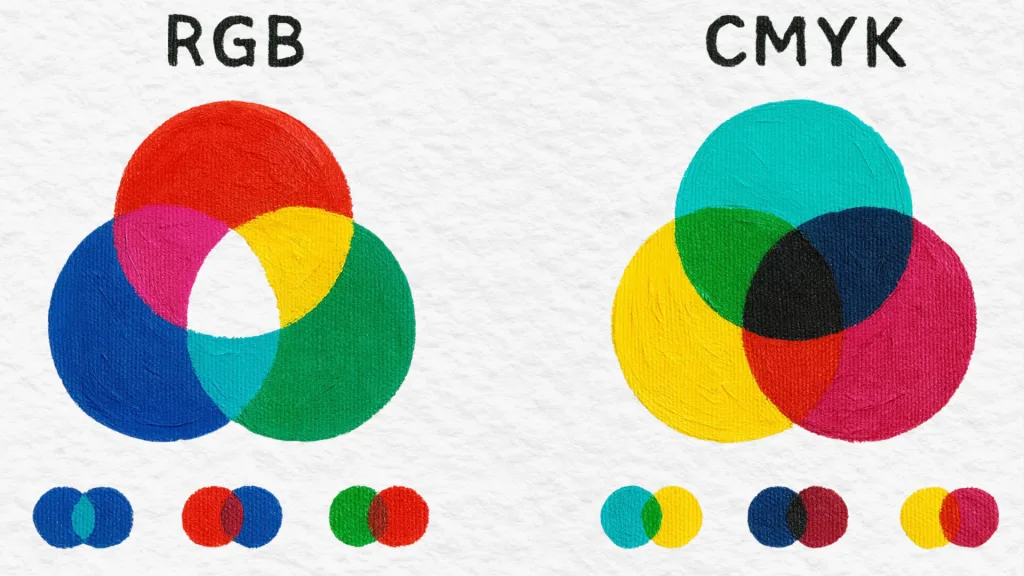
In the traditional RYB color model—used in paint and pigment—purple is made by mixing red and blue. When you slowly stir in white, the saturation drops, creating a pastel version of the original color. Artists often add white a little at a time so they can control the tint. Add too much too quickly, and you risk washing the color out completely.
If you’re working with light instead of pigment, the rules shift slightly. In the RGB model (used for screens and digital design), purple is made by blending red and blue light. White light contains all wavelengths, so when you combine white and purple light beams, you get a brighter version of purple—not exactly pastel, but a lighter and more vivid violet.
What Color Variations do Purple and White Make?
Mixing white and purple gives you access to a beautiful family of soft, elegant purples. The final shade depends on the undertones in your purple and how much white you mix in. Let’s walk through the most popular tints and exactly how to make them.
Lavender
Soft, bluish purple with a fresh, airy feel
- How to mix it: Start with a cool-toned purple (more blue than red) and slowly add white until you reach a pale, delicate tone.
- HEX:
#E6E6FA - Used in: floral paintings, nursery rooms, relaxing wall colors
Lilac
Warmer, pink-tinted pastel purple
- How to mix it: Use a purple that leans toward red. Add white gradually until the mix becomes soft and sweet, with a slight blush.
- HEX:
#C8A2C8 - Used in: romantic designs, vintage themes, soft spring palettes
Dusty Mauve
Muted, vintage purple with gray-red undertones
- How to mix it: Start with a neutral or reddish purple. Add white and a tiny amount of gray or brown to tone it down into a subtle, aged color.
- HEX:
#A3989D(may vary slightly) - Used in: retro interiors, moody floral art, muted fashion palettes
Periwinkle
Light purple with strong blue influence
- How to mix it: Choose a blue-heavy purple or indigo base. Mix in white until you reach a soft, light blue-violet tone.
- HEX:
#CCCCFF - Used in: digital graphics, spring decor, gentle sky gradients
Orchid Tint
Brighter, vibrant light purple with red-violet roots
- How to mix it: Begin with a rich red-violet or magenta-leaning purple. Add a small amount of white to lift the brightness while keeping its boldness.
- HEX:
#DA70D6 - Used in: floral illustrations, feminine branding, lively accents
Wisteria
Cool, grayish lavender with soft blue-gray tones
- How to mix it: Create lavender first, then blend in a small amount of gray or muted blue along with more white.
- HEX:
#C9A0DC - Used in: elegant interiors, nature paintings, ethereal themes

What Does Purple, White, and Black Make?
When you mix purple, white, and black, you’re combining both a tint (white) and a shade (black). The result is a muted or toned-down purple—something softer than pure violet, but deeper than pastel. Depending on how much black or white you add, you could end up with:
- Smoky lavender – light purple with a hint of gray
- Muted mauve – reddish purple with gray undertones
- Dusty plum – slightly darker, moodier purple
To achieve this, start with your purple. Mix in white to lighten it, then gradually add a touch of black. Go slowly—black paint is very strong, and too much can dull your mix quickly. Aim for balance: you want softness, not a muddy finish.
This color combo works beautifully in vintage artwork, gothic florals, and moody room palettes.
| Mix | Final Look | Use Case |
|---|---|---|
| Purple + White | Pastel Purple (Lavender) | Baby rooms, spring art |
| Purple + Black | Deep Plum, Eggplant | Drama, elegance |
| Purple + White + Black | Dusty Lavender, Muted Mauve | Vintage, moody design |
How Can You Lighten or Darken Your Purple Tint?
To lighten purple:
Mix in white, a little at a time. Each drop of white takes your purple closer to a pastel. If you want a light and airy look—like lavender or periwinkle—use plenty of white.
To darken purple:
Use black very sparingly. Even a tiny amount can shift purple into deep plum or eggplant territory. Another option is to darken purple more gently by adding a deep blue or red, which keeps the richness of the color without muddying it.
Want a soft, moody purple? Add gray instead of black. This creates a “tone” rather than a full shade—less intense, but easier to control.

Can You Create Purple and White Paint from Scratch?
Yes—and no.
Purple is a secondary color in the RYB model, so it’s easy to make by mixing red and blue. Want a cooler purple? Use more blue. Prefer a warmer tone? Add extra red. Once you’ve got your ideal purple, add white to create any tint you like.
White, on the other hand, cannot be created by mixing other paint colors. In subtractive color theory (used for paint), the more you mix colors, the darker things get. There’s no way to mix your way into white—it has to come straight from the tube or bottle.
If you’re out of purple, you can make more. But if you’re out of white, it’s worth the trip to the art store.
What Color Do Purple and White Make with Lights?
Mixing purple and white light is different from mixing paint. In the world of additive color mixing (used for screens, stage lighting, and digital art), white light isn’t a pigment—it’s a blend of all visible wavelengths. So when you mix purple light with white light, you’re not creating a new color—you’re brightening the purple.
The result is a lighter, more vibrant violet that appears softer to the eye, but not necessarily “pastel” in the way paint behaves. In RGB values, purple is made by combining high levels of red and blue. When you add white, you’re essentially adding more green into the mix—so the purple shifts closer to lavender or periwinkle on a digital display.
While it won’t behave exactly like paint, the visual result is similar: a brighter, less saturated purple with an airy, glowing quality.
How Do Our Eyes Perceive Light Purple?
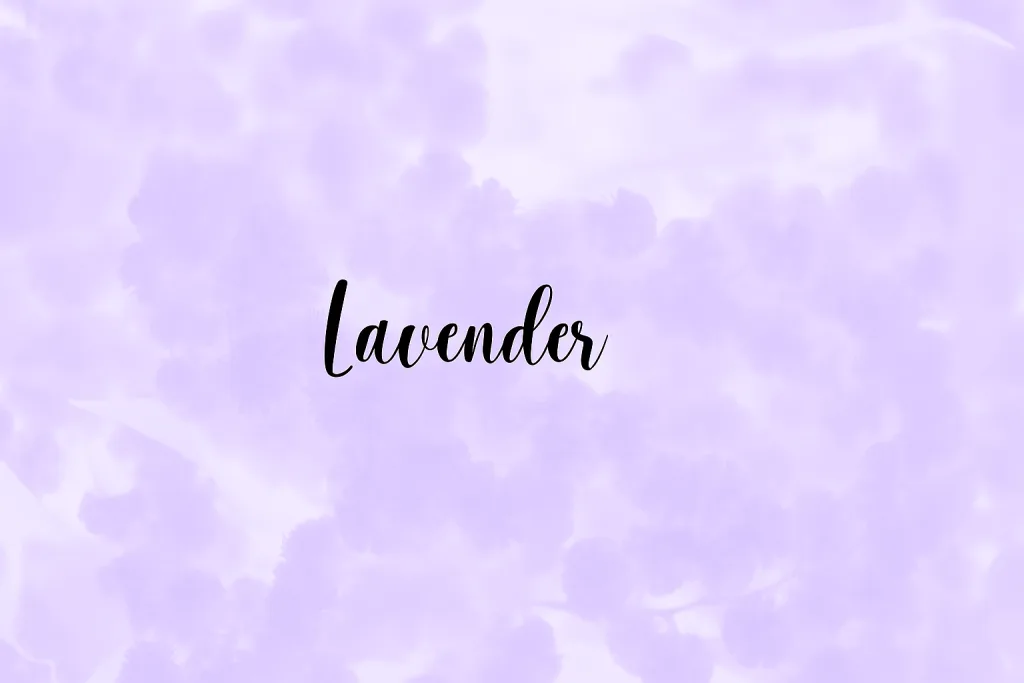
Color perception is more complex than just “seeing” pigment. When you look at light purple, your eyes are picking up reflected wavelengths, and your brain interprets that as color—thanks to special cells in the retina called cones.
Light purple sits between blue and red on the visible spectrum. It’s made of short-to-medium wavelengths that can sometimes be tricky for the eye to distinguish, especially under low lighting. That’s why pale purples can sometimes appear blue-ish or pink-ish depending on the environment.
White, when added to purple, spreads out the light—making the color feel less saturated, softer, and more diffuse. It’s not just a color shift—it’s a change in how much intensity your eye receives. That’s why pastel purples feel gentle or airy. You’re literally receiving less concentrated light.
What Do Light Purple Tints Symbolize and Evoke?
Light purple tints carry their own emotional palette, different from bold violet or deep plum.
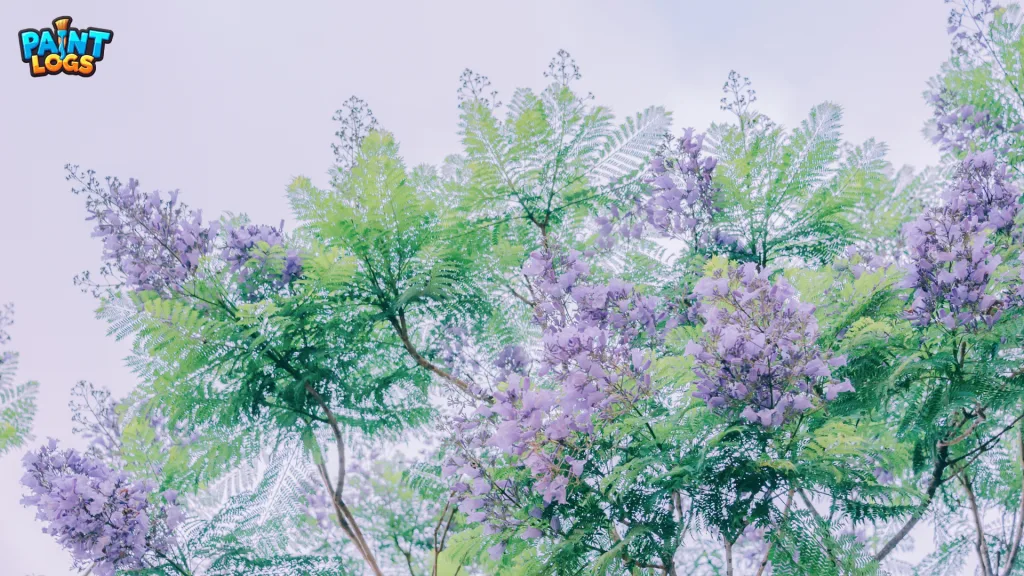
- Lavender often symbolizes calm, grace, and femininity. It’s widely used in wellness spaces and relaxation-themed art.
- Lilac leans toward romantic and nostalgic feelings, tied to springtime, softness, and tender memories.
- Periwinkle brings in a quiet sense of optimism, blending the hope of blue with the creativity of purple.
- Dusty mauve or muted purples feel more emotional, vintage, or introspective—used in storytelling, memory, or gentle aging.
Spiritually, light purple is sometimes associated with intuition, imagination, and a subtle connection to higher thought. It holds the creative energy of purple, but expresses it in
| Shade | Mood/Meaning | Common Use |
|---|---|---|
| Lavender | Calm, grace, femininity | Wellness, spa, bedroom walls |
| Lilac | Romantic, nostalgic | Spring weddings, vintage design |
| Periwinkle | Optimism, creativity, peace | Digital art, branding, florals |
| Dusty Mauve | Reflection, emotion, softness | Journals, mood boards, interiors |
| Orchid Tint | Bold femininity, fantasy, vibrancy | Illustration, youthful branding |

What Colors Go with Purple and White?
Because purple and white already offer such a soft and balanced contrast, they pair beautifully with a wide variety of accent colors. If you’re using them in a design, painting, or room layout, here are a few creative directions to explore:
- Blush pink: Adds warmth and romance—perfect for florals, weddings, or feminine spaces.
- Gray or taupe: Brings in grounding neutrals and makes light purple feel more grown-up or serene.
- Mint or sage green: A refreshing balance—especially when paired with lilac or lavender.
- Gold or mustard: A bold, complementary contrast that brings energy and sophistication.
- Navy or deep blue: For a dramatic palette that still feels calming and layered.
And of course, yellow—purple’s complementary color—can add brightness and pop if used carefully. Try a buttery pastel yellow for a spring-inspired combo or go with deep marigold for high contrast.
Whether you’re painting a canvas or decorating a space, purple and white offer a graceful foundation that can shift toward playful, peaceful, or even regal—just by adjusting what you pair them with.
Conclusion
Now you know exactly what color purple and white make—and how to take that soft pastel even further. Whether you’re going for something dreamy like lavender or moody like dusty mauve, these two colors give you a ton of creative flexibility.
So what’s next on your palette? Try mixing purple with yellow for neutrals, or purple with gray for elegant tones. The combinations are endless—and every one of them tells a different story.
FAQs
What color do white and purple make when mixed?
Mixing white and purple makes a lighter purple, often called lavender or lilac. It depends on how much white you use—the more you add, the softer and paler the purple becomes. This is called creating a tint, where white lightens the base color without changing its core hue.
What does purple and white make in paint vs. light?
In paint, purple and white make pastel purple, like lilac. But in light, the rules change—purple is made from red and blue light, and adding white light just makes it appear brighter, not pastel. So while pigment mixing gives you a soft tint, light mixing gives you a vivid glow.
Can I mix purple and white paint to get lilac?
Yes, lilac is one of the easiest pastel purples to mix. Start with a medium or red-leaning purple and gradually blend in white. The more white you add, the closer you’ll get to that gentle lilac tone used in spring designs and floral palettes.
What does purple, black, and white make together?
When you mix purple, white, and black, you get a muted purple or dusty lavender. White softens the purple while black adds depth and dullness. This combo is often used in vintage designs or moody, romantic art styles.
Does purple and white always make lavender?
Not exactly. While lavender is a common result, the final color depends on your starting purple. A blue-based purple gives you lavender, while a red-based purple plus white leans more lilac or mauve. The shade always becomes lighter, but not always the same.
Can I make white paint by mixing other colors?
No—you can’t mix white from other paints. In pigment theory, white is a base color and doesn’t come from combining others. If you’re out of white paint, you’ll need to use a tube of titanium white or another manufactured white pigment.
What colors go with purple and white?
Purple and white pair beautifully with soft neutrals like gray, blush pink, or sage green. For contrast, try bold shades like mustard yellow, navy, or even emerald green. These combinations create balance while highlighting the elegance of purple and white.
What is the difference between purple on white and white on purple?
White on purple looks striking and bold—great for modern designs. Purple on white feels softer and more elegant, often used in romantic or minimal styles. Both offer strong contrast, but the emotional tone shifts depending on which color takes the lead.
Do purple and white always make the same color?
They always make a light purple, but not exactly the same shade. It depends on your original purple’s undertone (cool vs. warm) and how much white you add. From icy lilac to dusty orchid, there are many subtle variations within this combo.