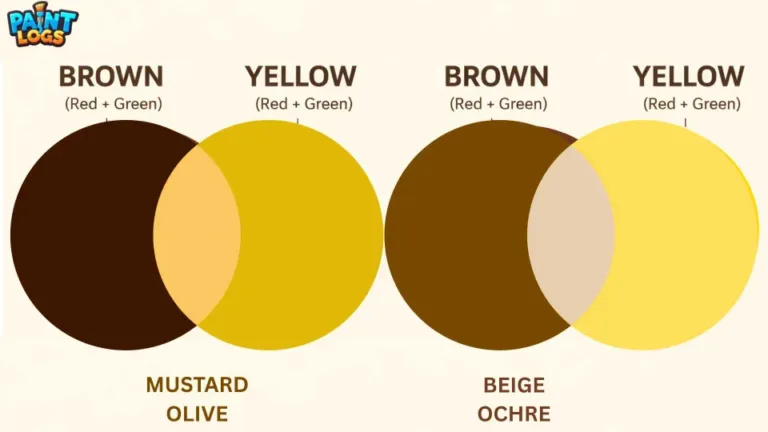

What Color Do Orange and Purple Make When Mixed? When orange and purple are mixed, the result is often a rich, earthy tone, think brown, russet, or reddish-brown. These bold, contrasting colors each contain primary components (red, yellow, and blue), and when combined, they typically neutralize into a more muted, natural hue.
The exact outcome depends on the specific shades of orange and purple used, bright orange vs. amber orange, or violet vs. deep purple, and the proportions of each color added.
In this complete color mixing guide, we’ll explore what color orange and purple make, how to adjust the results using other colors like white or black, and how this combination works in both traditional paint and digital design.
Whether you’re mixing acrylics, experimenting with RGB on screen, or creating a color palette for art or decor, this guide will help you understand the fascinating effects that emerge when orange and purple meet.
Let’s dive in and see what shades are possible when orange and purple come together.
Quick Answer: What Color Do Orange and Purple Make?
Orange + Purple = Brown, Russet, Reddish Brown
When you mix orange and purple, you usually get brown, particularly a reddish-brown or russet color. This is because both colors contain a mix of primary colors—red, yellow, and blue, which, when combined, create a neutral brown.
However, the exact shade depends on the specific hues and amounts of orange and purple you use. More orange results in a lighter, warmer brown, while more purple gives you a deeper, cooler brown. In some cases, especially with lighter mixes, you may even get dusty pinks or soft mauves.

Why Do Orange and Purple Make Brown?
Primary Color Breakdown
To understand why orange and purple create brown, it’s essential to break down the primary colors involved:
- Orange is made by mixing yellow and red.
- Purple is made by mixing blue and red.
When you combine these two secondary colors, you’re essentially mixing all three primary colors (red, yellow, and blue), which often results in brown. Brown occurs because the primary colors neutralize each other, leading to a more muted, earthy tone rather than a bright or vivid color.
The Color Science Behind the Mix
- The Influence of Red: Both orange and purple contain red as a common color component. This gives the resulting mixture a reddish quality.
- Adding More Orange or Purple: The more orange you use, the warmer the brown becomes. In contrast, using more purple creates a cooler brown, often referred to as russet or burnt sienna.
This combination is a great example of how subtractive color mixing works. When pigments mix, they absorb certain wavelengths of light, leading to the creation of new colors based on what’s left over after the absorption. In this case, what’s left after mixing the primary colors is brown.
What Happens When You Mix Different Shades of Orange and Purple?
Not all oranges and purples are the same, and the shade or tone you use will significantly impact the final result. Mixing different versions of orange and purple can create a variety of brownish hues, ranging from warm russets to more muted, dusty pinks.
Examples of Mixing Orange and Purple
- Bright Orange + Violet: This mix will likely create a vibrant, reddish-brown—a bold and warm hue, often associated with autumnal colors.
- Peachy Orange + Lavender: When paired with a softer purple, this mix produces a muted, dusty pink or light beige-brown.
- Amber Orange + Deep Purple: This combination results in a dark, rich russet or burnt sienna color—a sophisticated and earthy tone.
Want to see how cool colors blend? Check out our article on What Color Do Blue and Purple Make? for examples of blue-violet, indigo, lavender, and periwinkle shades.
Table of Mixing Results
| Orange Shade | Purple Shade | Mixed Result | Description |
|---|---|---|---|
| Bright Orange | Violet | Reddish-Brown | A warm, earthy brown with red undertones. |
| Peachy Orange | Lavender | Dusty Beige-Brown | A muted, soft brown with a pinkish tint. |
| Amber Orange | Deep Purple | Dark Russet | A rich, dark brown with reddish hues. |
| Coral Orange | Plum Purple | Burnt Sienna | A deep, earthy brown with red undertones. |
Why Different Orange and Purple Mixes Create Different Browns
When mixing orange and purple, the proportions of each color will influence the shade of the resulting brown. The temperature of the colors (warm vs. cool tones) also plays a key role.
- More Orange = Lighter, warmer brown.
- More Purple = Darker, cooler brown.
Adding white or black to the mix can also alter the outcome:
- Adding White: This lightens the mixture and creates a softer beige or pastel brown.
- Adding Black: This darkens the brown, producing a deeper or more muted brown, like chocolate brown or forest brown.
The flexibility of this mix makes it ideal for creating a variety of earthy, natural tones for use in art and design.

Quick Guide: Mixing Orange and Purple in Different Mediums
When mixing colors, the result can vary depending on the medium used. Whether you’re working with paint, digital design, or lighting, the color mixing process follows different principles. Let’s explore how the combination of orange and purple behaves in different contexts.
Orange and Purple in Paint: RYB Color Model Results
RYB Color Model in Painting
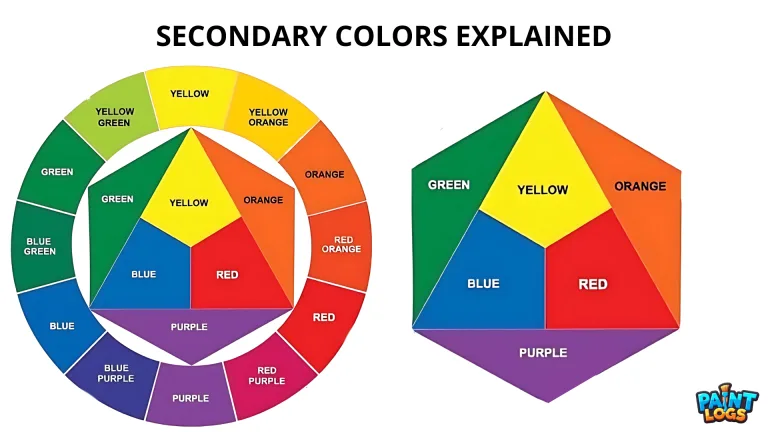
In traditional painting, the RYB (Red, Yellow, Blue) color model is typically used. In this model, orange and purple are both secondary colors.
- Orange is made by mixing red and yellow.
- Purple is made by mixing red and blue.
When you combine these two colors, you end up with all three primary colors: red, yellow, and blue. Since all three primary colors are present, the result is typically a brown. The exact shade depends on the proportions of orange and purple used.
- More orange creates a warmer brown, leaning towards a rusty or reddish-brown.
- More purple produces a cooler, deeper brown, often resembling burnt sienna or russet.
Challenges in Mixing Orange and Purple in Paint
Mixing orange and purple in paint can sometimes be tricky because the hues of both colors contain red. If there’s too much red in either color, the mix may result in a muddy or dull brown. It’s important to experiment with different amounts of each color to achieve the right balance for your desired brown tone.
What Happens When You Mix Orange and Purple in Lights?
RGB Color Model in Lighting
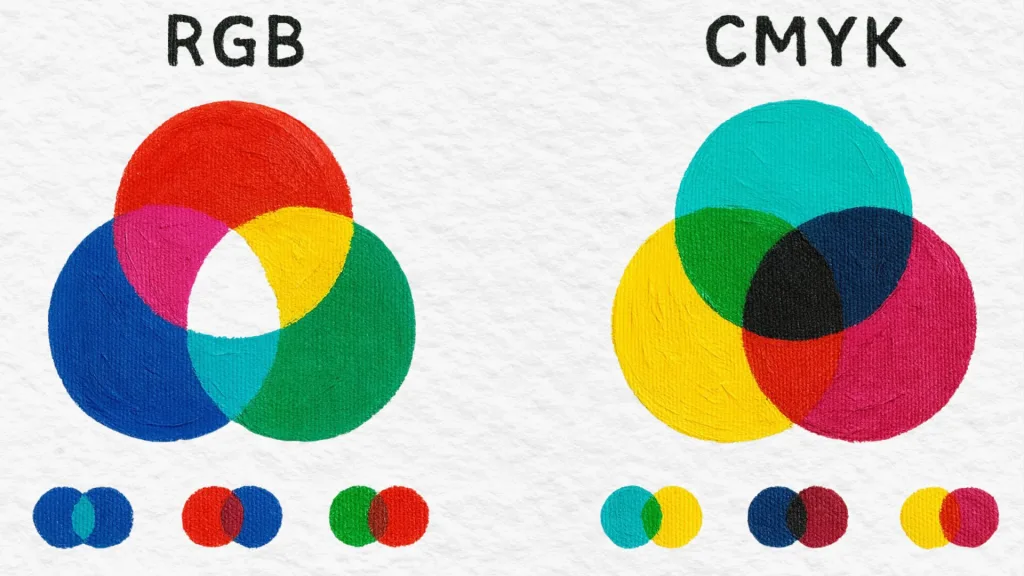
Unlike paint, when you mix colors in lighting, the result is determined by the RGB (Red, Green, Blue) color model, which is based on additive mixing. In this model, colors are created by adding light to one another rather than blending pigments.
- Orange is made by combining red and green lights.
- Purple is created by combining red and blue lights.
When you mix orange and purple in lights, you typically get a pinkish hue. This is because both colors share the red light component, and the additional blue from purple and green from orange combine in a way that results in light pink.
How Light Mixing Differs from Paint Mixing
In lighting, mixing orange and purple doesn’t result in brown. Instead, the combination of the wavelengths of light from both colors typically leads to a washed-out or light pink shade. The more intense the light, the brighter the result will be.
What Color Do Orange and Purple Make in Digital Art?
Additive vs. Subtractive Mixing in Digital Art
Digital art, which uses the RGB model, works similarly to how colors are mixed in lights. When mixing orange and purple on a digital screen, the result typically trends toward a light pink or a muted reddish color depending on the settings and specific shades used.
- Mixing orange and purple in digital art follows the same principle as in lighting: adding red light, with varying amounts of blue and green, leading to various pinkish hues.
The final color can vary depending on the brightness and saturation levels applied to each color. By adjusting these settings, digital artists can control the intensity and warmth of the final mixed color.
Adjusting the Orange-Purple Mix for Desired Effects
One of the key benefits of mixing colors is the ability to adjust them to fit your needs. If the resulting brown or reddish-brown from mixing orange and purple isn’t exactly what you’re looking for, there are ways to modify it.
Making Tints and Shades of Orange-Purple Brown
To create lighter or darker versions of the orange-purple mix, you can add white or black:
- Adding White: This will lighten the mixture, creating a softer, more pastel-like brown. It can also produce variations like dusty pinks or a peachy beige.
- Adding Black: If you want to create a darker version of the brown, adding black will deepen the mix into burnt sienna or chocolate brown shades.
By experimenting with tints and shades, you can fine-tune the orange-purple mix for specific artistic or design purposes.

What Happens When Orange and Purple Are Mixed with Other Colors?
Mixing orange and purple with other colors opens up a variety of new possibilities. Since orange and purple contain red, yellow, and blue, adding additional colors to the mix can result in even more complex shades. Let’s explore how different color combinations interact with the basic orange-purple mix.
Orange, Purple, and Red: A Darker Brown or Russet
When red is added to the orange-purple mix, the resulting color tends to be darker and more intense. This is because you’re adding more of the red primary color, which is already abundant in both orange and purple.
- This combination often produces a rich russet or burnt sienna shade, with deep reddish-brown tones.
- Depending on the ratio of red to orange and purple, the mixture can range from a muddy brown to a dark russet.
Orange, Purple, and Yellow: A Warmer, Earthier Brown
Adding yellow to the mix of orange and purple typically results in a warmer, earthier brown. Since yellow is already present in orange, adding more yellow accentuates the warmth of the final color.
- This combination can produce a yellowish-brown or golden russet shade, which is perfect for creating natural tones like soil or autumn leaves.
- It’s often used in landscape painting or to create warm, rustic designs.
Orange, Purple, and Blue: A Cooler, Muted Brown
When blue is added to the orange-purple mix, the resulting brown becomes cooler and more subdued. This is because the blue dilutes the warmth of both orange and purple, resulting in a more muted or grayish-brown.
- This combination can give you a smokier or muddy brown, which can be used for creating shadows or depth in artwork.
- Adding blue can also lead to more earthy tones, which are great for adding realistic textures in still-life paintings or portraiture.

Orange and Purple in Design: How to Use the Resulting Color
In design, orange and purple create striking and bold color combinations. Though they sit on opposite sides of the color wheel, their contrasting nature can be used effectively to capture attention and evoke powerful emotions.
Graphic Design: Bold Contrasts and Attention-Grabbing Designs
In graphic design, the mix of orange and purple, when used as accents, creates a vibrant and energetic atmosphere. This can be particularly useful in branding, logos, or advertisements, where attention to detail and visual impact are crucial.
- Using rust or brownish-red shades can soften the intensity, while brighter shades can make your designs stand out even more.
- Pairing these colors with neutrals, like white or black, can help balance the contrast.
Interior Design: Creating Dynamic Spaces with Orange and Purple
Orange and purple are complementary colors, meaning they have the potential to work well together in certain interior design styles. Though bold, these colors can be used to create dramatic, lively spaces, such as living rooms or accent walls.
- Russet tones are often used in autumn-themed designs or earthy, rustic settings.
- For a more refined and sophisticated look, you can use dusty pinks or muted oranges with purple accents to create balance without overwhelming the space.
Fashion Design: Bold and Unique Outfits
In fashion, pairing orange and purple can create a bold statement. While the mix is not commonly used for everyday wear, it can be quite impactful in runway shows or artistic garments. When combined with other neutrals like brown, gray, or black, orange and purple can make a fashion statement that is both modern and vibrant.
- Lighter shades of orange with purple accents can make for a playful or quirky design, while deeper, richer tones create a more elegant, yet daring, look.

Conclusion
When mixed, orange and purple produce a range of shades, most commonly in the brown family. The result depends on the specific hues and proportions used, as well as the medium in which the colors are mixed. Whether you’re working with paint, light, or digital designs, this color combination can lead to rich, earthy tones or unique, bold contrasts.
Experimenting with these colors gives artists and designers the chance to create a wide variety of effects. By understanding the role each color plays in the mix, you can confidently use orange and purple to bring warmth, depth, and interest to your artwork or design projects.
FAQs
Q: What color does orange and purple make when mixed?
A: Orange and purple mixed together typically create a brownish color, often a reddish-brown or russet, depending on the ratio of the two colors.
Q: Can mixing orange and purple make other colors?
A: While the result is usually a brownish color, adding other colors such as red, yellow, or blue can adjust the tone, creating variations of russet, dusty pink, or muted brown.
Q: What type of green do orange and purple make?
A: Orange and purple don’t typically make green directly, but they can create brown or earthy shades that resemble green when combined with other colors.
Q: Can I make blue from yellow and other colors?
A: No, blue is a primary color and cannot be created by mixing yellow or any other colors.
Q: How do different blues affect the green made by mixing with yellow?
A: Cooler blues tend to create vibrant green, while warmer blues lead to a muted or teal shade of green when mixed with yellow.
Q: What happens when you add white to orange and purple?
A: Adding white lightens the mixture, creating dusty pinks or soft brown tones, depending on the proportions.
Q: What happens when you add black to orange and purple?
A: Adding black darkens the mix, producing deeper, earthy brown or burnt sienna shades.
Q: Can orange and purple create a brownish color?
A: Yes, the combination of orange and purple almost always results in a brownish shade, with the specific hue depending on the ratio of the colors used.
Q: What are the artistic uses of orange and purple together?
A: Orange and purple are used in landscape paintings, fashion design, and graphic design to create dramatic, bold contrasts or to add depth and texture.
Q: How does the CMYK model affect orange and purple mixing?
A: In the CMYK model, orange and purple mixed together produce a muted brown. The subtractive nature of the model leads to these earthy tones rather than vibrant colors.
Q: Why is orange and purple an important color combination?
A: Orange and purple, while contrasting, are used to create unique, eye-catching designs and are often used in art, design, and fashion for their boldness and richness.
Q: Can I make green with just yellow and blue pigments?
A: Yes, mixing yellow and blue pigments typically creates green, a secondary color in the RYB model