
How to make sand color is one of those questions that sounds simple until you actually try it. You squeeze out some yellow, add a bit of white, and suddenly it looks too bright, too orange, or just completely wrong. Real sand is not one flat tone — it shifts from pale creamy beige when dry to a rich golden brown when wet, and getting that right takes knowing exactly which colors to reach for.
So what colors make sand? The short answer is three: Titanium White, Yellow Ochre, and Burnt Umber. Those three together give you a warm, natural sandy tone that works across beach scenes, desert paintings, crafts, icing, and more.
Whether you are working with acrylic paint, watercolor, colored pencils, food coloring, or icing — this guide covers everything. Step by step, easy to follow, no confusing art jargon.
Let’s get into it.
What Colors Make Sand Color?
How to make sand color paint? The three colors that make sand color are:
- Titanium White
- Yellow Ochre
- Burnt Umber (Brown)
That’s it. Those three mixed together give you a warm, natural sandy tone that works for beach scenes, desert paintings, crafts, and more.
The basic starting ratio is equal parts white and yellow ochre, then a small touch of burnt umber to ground it and add depth. From there you just adjust depending on the shade you need.
If you want to understand why these earthy tones work so well together, it helps to get familiar with the color wheel and how warm neutrals relate to each other.
How to Make Sand Color with Acrylic Paint
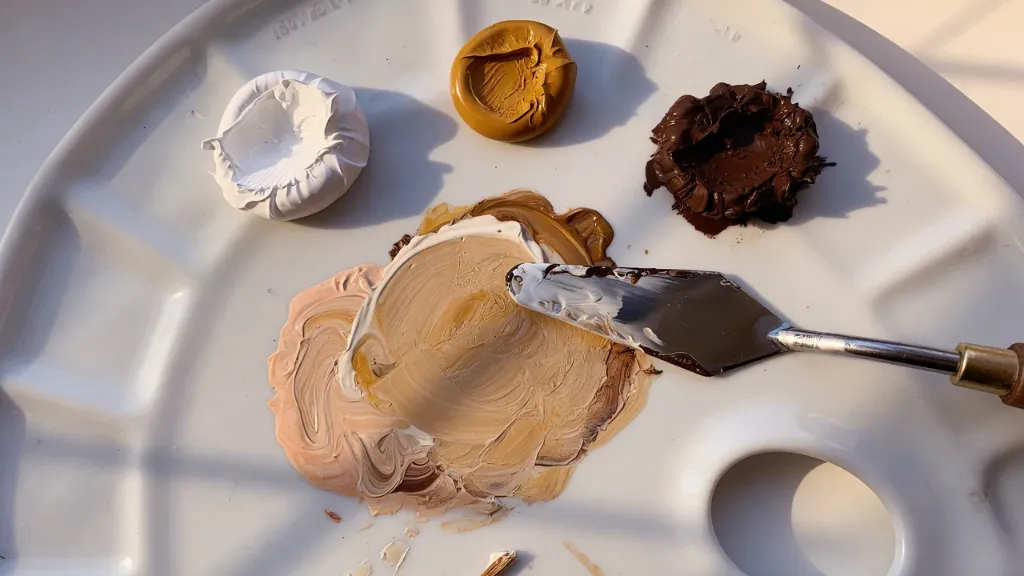
Acrylics are the most popular medium for mixing sand, and they are very forgiving. Here is the simple step-by-step:
Step 1: Put out a good amount of Titanium White on your palette.
Step 2: Add an equal amount of Yellow Ochre and mix the two together until you get an even warm beige.
Step 3: Add a small amount of Burnt Umber — about a quarter of the ochre you used — and mix again.
Step 4: Test it on a scrap piece of paper. Let it dry, then compare to your reference.
That is your base sand color. Warm, slightly golden, and very convincing as a natural surface.
Since burnt umber is essentially a dark brown pigment, knowing how to make brown from scratch gives you a lot more control when adjusting this mix.
Adjust It for Different Sand Looks
| Sand Look | What to Do |
|---|---|
| Light / Dry Sand | Add more White |
| Dark / Wet Sand | Add more Burnt Umber |
| Golden / Warm Sand | Use Raw Sienna instead of Yellow Ochre |
| Greyish / Cool Sand | Add a tiny touch of Black |
| Pink / Tropical Sand | Add a tiny drop of Red |

How to Make Sand Color with Primary Colors
Only have red, yellow, and blue on hand? No problem. You can still get to sand color — it just takes a few extra steps.
Step 1: Mix yellow and a small amount of red together to make a warm orange.
Step 2: Add a very tiny touch of blue to knock back the orange and push it toward a brownish neutral.
Step 3: Add a generous amount of white to lighten everything and pull it into the sandy beige range.
Step 4: Adjust — more yellow if it looks grey, more white if it looks too strong.
The key here is restraint with the blue. Too much kills the warmth and turns everything muddy grey. You only need a tiny amount to dull the orange down.
This is essentially the same logic behind what color red and yellow make — you are starting from orange and working backwards into a neutral.

How to Make Sand Color with Watercolor
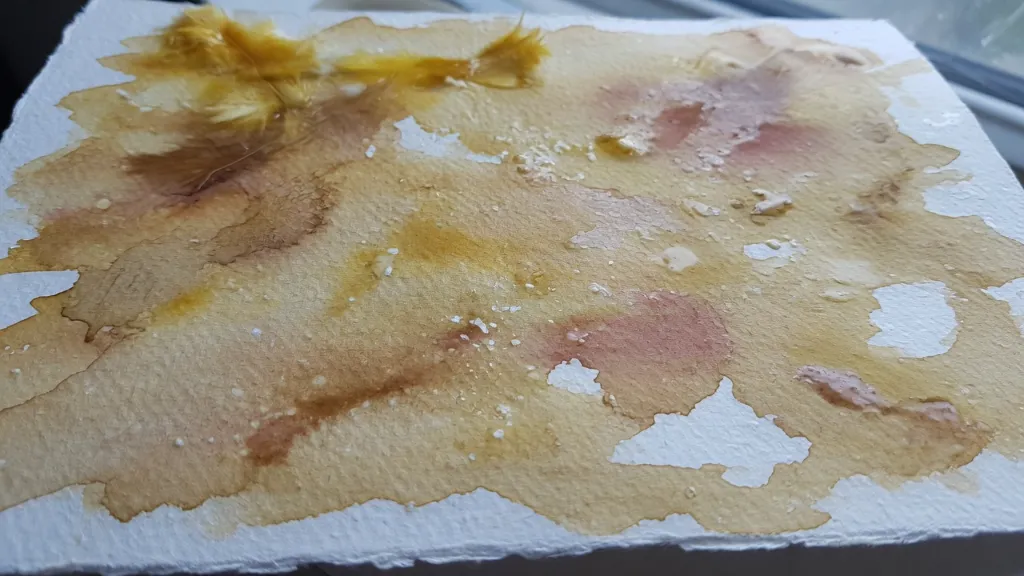
Watercolor works differently from acrylics because you do not use white paint. Instead, the white of the paper does the brightening work for you.
Core colors to use: Yellow Ochre, Burnt Umber or Raw Umber, and optionally Raw Sienna for a warmer tone.
Step 1: Lay down a light wash of Yellow Ochre as your base. Let it dry fully.
Step 2: Mix a slightly stronger Burnt Umber wash and paint it over the shadow areas.
Step 3: For highlights, leave areas of paper unpainted. Or lift out pigment with a dry tissue while still wet.
Step 4: For texture, try a dry brush technique — drag a nearly-dry loaded brush across rough watercolor paper for a grainy, sandy look.
One thing to remember: watercolors dry lighter than they look when wet. Mix your colors a little darker than you think you need.
This layering approach is similar to how what color does brown and yellow make when glazed in watercolor — the warm layering builds up into rich earthy tones.
How to Make Sand Color with Colored Pencils
With colored pencils, you cannot physically blend colors like paint. Instead you layer them on top of each other and let your eye mix them — this is called optical blending.
Layer 1: Apply a light, even layer of warm yellow or yellow ochre pencil. Keep pressure light.
Layer 2: Go over it with a tan or buff colored pencil. This pulls the yellow toward sandy beige.
Layer 3: In shadow areas, lightly add warm brown on top.
Layer 4 (optional): Use a colorless blender pencil to smooth everything together.
Highlights: Either leave the paper showing through, or press a white pencil over the top.
Vary your pressure and direction as you go. Real sand is never perfectly even, so a bit of randomness in your strokes actually makes it look more convincing.
How to Make Sand Color with Crayons
Crayons follow the same layering idea as colored pencils, just with a waxier texture.
Step 1: Apply a light layer of yellow or gold crayon as your base.
Step 2: Layer tan or beige on top with medium pressure.
Step 3: Add light hatching of brown crayon in the darker or shadow areas.
Step 4: Use a tissue to gently buff and blend the layers together.
For a smoother finish, press hard with a white crayon over all the layers — this is called burnishing and it blends everything together into a solid, unified tone.
How to Make Sand Color with Food Coloring
For Coloring Craft Sand
This is great for sand art, sensory bins, or DIY projects.
Step 1: Put white sand into a zip-lock bag.
Step 2: Add 3 to 4 drops of yellow food coloring per ¼ cup of sand.
Step 3: Add 1 drop of brown food coloring. You can make brown by mixing red and a touch of blue if you do not have it — what color do red and brown make covers this in detail.
Step 4: Add a small splash of rubbing alcohol to help the dye spread evenly.
Step 5: Seal the bag and shake well until all the grains are evenly coated.
Step 6: Spread it on a baking sheet and let it dry at room temperature, or in a low oven at around 200°F for 10 to 15 minutes.
How to Make Sand Color Icing and Buttercream
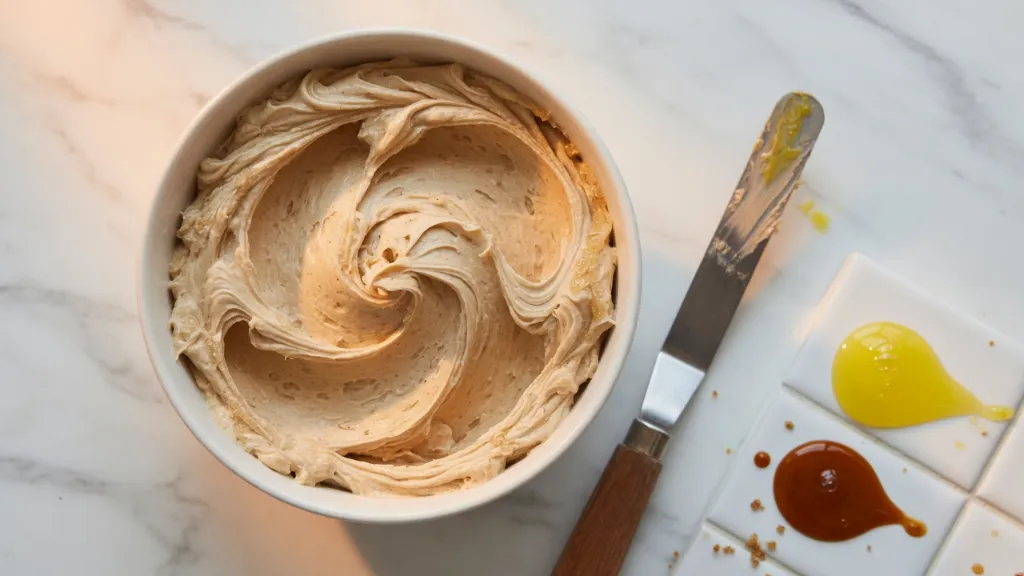
Sand-colored frosting is really popular for beach cakes and ocean-themed desserts. The trick is using gel food coloring — it is more concentrated and will not thin out your icing.
Step 1: Start with white buttercream or white royal icing as your base.
Step 2: Add a very small amount of golden yellow gel coloring. Mix fully.
Step 3: Add a tiny — and we mean tiny — drop of brown gel coloring. Pin-head size. Mix again.
Step 4: If it looks too yellow or warm, add a touch of ivory gel to soften it.
Step 5: Test the color on white parchment paper and let it sit for a minute to see the true tone.
For royal icing especially — the color will lighten a lot as it dries. Always mix it slightly darker than your target.
Understanding how what color does brown and pink make can also help when tweaking your icing toward a warmer, creamier sand tone.
What Is the Closest Color to Sand? Hex Codes
If you are working digitally or shopping for a pre-mixed paint, here are the most accurate named colors:
| Color Name | Hex Code | Notes |
|---|---|---|
| Sand | #C2B280 | The standard sand tone |
| Beige | #F5F5DC | Very light, pale sand |
| Khaki | #C3B091 | Slightly darker and golden |
| Tan | #D2B48C | Medium warm brown-beige |
| Buff | #F0DC82 | Light yellow-beige |
| Desert Sand | #EDC9AF | Pale peachy sand |
For most purposes, #C2B280 is the most universally accepted sand color in design.
Common Mistakes When Mixing Sand Color
Too much brown: The most common mistake. Burnt umber darkens fast. Add it drop by drop, not spoonful by spoonful.
Wrong yellow: Lemon yellow or cadmium yellow pull green and fight the warm sandy feel. Stick to yellow ochre, yellow oxide, or raw sienna.
No white: Even for a darker wet-sand tone, a touch of white stops the mix from looking too heavy and artificial.
Not testing dried color: Acrylics dry darker than they look wet. Always test on a scrap piece and let it fully dry before judging.
Knowing how what colors make white works — and how white tints affect warm pigments — can help you understand why white is such an important ingredient even in earthy mixes.
How to Mix Different Shades of Sand
| Sand Shade | What to Mix |
|---|---|
| Classic Dry Beach Sand | White + Yellow Ochre + small Burnt Umber |
| Pale Desert Sand | Mostly White + small Yellow Ochre + pinch of Buff |
| Golden Dune Sand | Yellow Oxide + Raw Sienna + touch of White |
| Wet Beach Sand | Yellow Ochre + more Burnt Umber + less White |
| Pink Tropical Sand | White + Yellow Ochre + tiny Cadmium Red |
| Cool Grey Sand | White + tiny Black + Yellow Ochre |

How to Make Desert Sand Color With Paint
Desert sand color is a warm, earthy shade that looks slightly deeper and richer than regular sand color. It resembles the natural tones seen in desert landscapes—soft beige with hints of brown and yellow.
Paint Colors You Need
To create a desert sand color with paint, start with these basic colors:
- White
- Yellow ochre
- Brown (burnt umber or raw umber)
Step-by-Step Mixing Method
- Start with a white base
Place white paint on your palette. This keeps the final shade light and sandy. - Add yellow ochre
Mix in a small amount of yellow ochre to create a warm beige tone. - Add a tiny touch of brown
Add a small amount of burnt umber or raw umber to deepen the color and give it that desert-like earthiness. - Adjust the shade
- Add more white for a lighter sandy tone.
- Add a tiny bit more brown for a deeper desert sand color.
- Add a hint of yellow if the color looks too dull.
Quick Color Ratio
A simple ratio you can try:
- 4 parts white
- 1 part yellow ochre
- a small touch of brown
Mix gradually until you reach the soft, warm desert sand shade.
Tip
If the color looks too dark, always add more white instead of adding water, as water can reduce paint coverage.
Pro Tips for Painting Sand
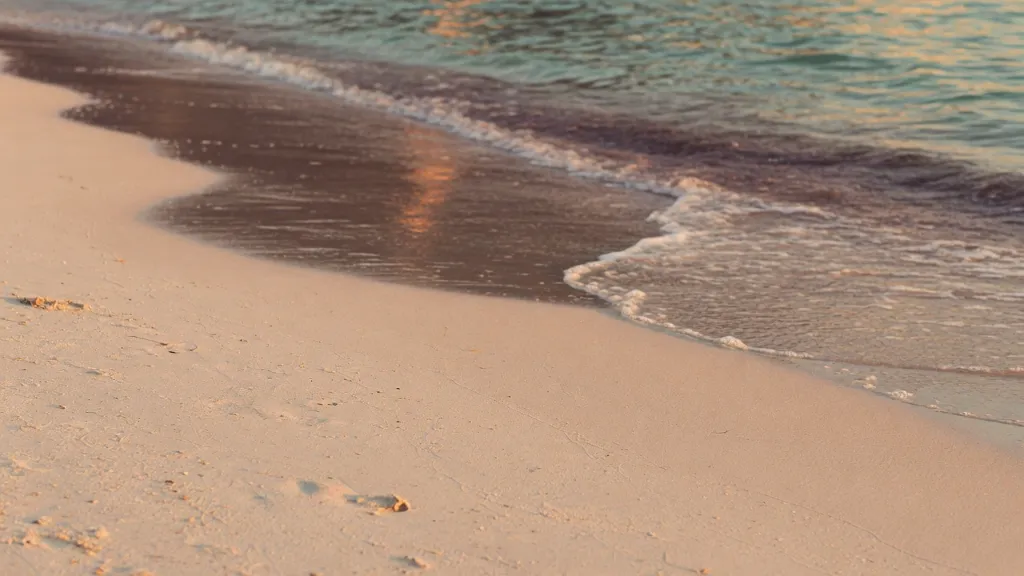
Use multiple tones, not one flat color. Real sand has variation — lighter on high spots where it is dry, darker in low spots where it is damp. Mix at least a light, mid, and dark version of your sand tone and use all three.
Add chromatic noise for realism. While your sand base is still wet, flick tiny touches of near-white, pale grey, and warm brown randomly across it. This mimics the mix of shell fragments, minerals, and organic matter you actually see in real sand.
Think about your light source. Sand in warm afternoon light leans orange-yellow. Sand under overcast skies looks greyer and cooler. Sand in shadow is almost a cool brown-grey. Your mix should change with the lighting.
For beach painting especially, knowing what colors make orange helps you push your sand mix warmer for that golden hour glow — a few drops of warm orange into your base transforms it completely.
And since sand appears next to water and sky in most beach compositions, understanding complementary colors explains why the warm sandy tones feel so vibrant against cool ocean blues.
Conclusion
Making sand color is one of the most useful mixing skills you can learn. Once you understand the three core ingredients — white, yellow ochre, and burnt umber — everything else is just adjustment.
Start with the basic recipe, dry test it, and tune it from there. Go lighter for dry dunes, darker for wet shorelines, warmer for tropical beaches, cooler for overcast skies.
Whether you are painting a beach scene, coloring craft sand, or making sand-colored icing for a cake, the same principle applies: warm, earthy, golden beige. Keep it simple and you will nail it.
FAQs
What two colors make sand color?
Yellow Ochre and Titanium White mixed in equal parts gets you close. Adding a small touch of Burnt Umber makes it much more realistic and natural looking.
What is the hex code for sand color?
The most widely used sand hex code is #C2B280. Lighter variations sit around #F5F5DC (beige) and darker ones around #C3B091 (khaki).
Can I make sand color without yellow ochre?
Yes. Raw Sienna works as a great substitute and gives a slightly warmer, more golden result. You can also mix yellow with a tiny touch of orange and then lighten the whole thing with white.
How do I make sand color for a beach painting?
Mix three versions — a light tone for dry sunlit sand, a mid-tone for the main surface, and a dark grey-brown for wet sand near the water. Use all three and blend the transitions. That is what makes beach paintings look real instead of flat.
What is the difference between sand, beige, and khaki?
Sand (#C2B280) is a medium warm golden-beige. Beige (#F5F5DC) is much lighter and cooler. Khaki (#C3B091) is slightly darker and more golden-brown. In mixing terms, more white gives you beige, and less white with more ochre gives you khaki.
How do I make sand color with just primary colors?
Start by mixing yellow and a small amount of red to get a warm orange. Then add a very tiny touch of blue to knock the brightness back. Finally, add plenty of white to pull it into the sandy beige range.
Why does my sand color look too orange?
You have added too much yellow or not enough white. Add more Titanium White gradually and mix well. A small touch of Burnt Umber can also help tone down the orange and bring it back to a natural sandy neutral.
Why does my sand color look too grey or muddy?
This usually means too much blue or black got into the mix. Add a little more Yellow Ochre and white to warm it back up. Go slowly — a tiny amount of yellow goes a long way when correcting a muddy mix.
How do I make dark wet sand color?
Reduce the white and increase the Burnt Umber in your base mix. Wet sand is darker, richer, and slightly cooler than dry sand. You can also add a very small touch of grey or Raw Umber to push it even further toward that damp, heavy look.
How do I make sand color icing or buttercream?
Start with white buttercream and add a small amount of golden yellow gel food coloring. Then add a pin-head sized drop of brown gel coloring and mix fully. Taste and adjust as needed. Always test the color on parchment paper since it will lighten slightly as it dries.
Can I mix sand color with watercolor paints?
Yes. Use Yellow Ochre as your base wash, then layer Burnt Umber in the shadow areas. Do not use white paint — let the white of the paper do the brightening work. Watercolors dry lighter than they look wet, so mix your tones a little darker than your target.
What paint colors are closest to sand at the store?
Look for pre-mixed colors labeled Buff, Tan, Raw Linen, Desert Sand, or Sandstone. These sit in the same warm beige-golden family. If you cannot find an exact match, start with a Buff or Beige base and warm it up with a drop of yellow ochre or raw sienna.