
What colors make purple? The classic answer is red and blue — but the real magic lies in choosing the right red and the right blue. Get it wrong, and your purple turns muddy. Get it right, and you unlock a full spectrum from soft lavender to bold royal purple.
In this guide, you’ll learn how to mix 26 stunning shades of purple for painting, food coloring, and digital design. We’ll walk through exact color ratios, pigment names, and how to adjust your mix for lighter tints, deeper tones, or warmer hues.
Whether you’re an artist, baker, or designer, this page has everything you need to create beautiful purples — no more guessing, just gorgeous results.
Let’s begin with the foundation: What two colors make purple in paint, and which combinations work best?
How to Make Purple with Paint (What 2 Colors Make Purple?)
The classic answer? Red and blue make purple. But if you’ve ever mixed them and ended up with a dull brown or muddy gray, you’re not alone.
Why Red + Blue Doesn’t Always Work
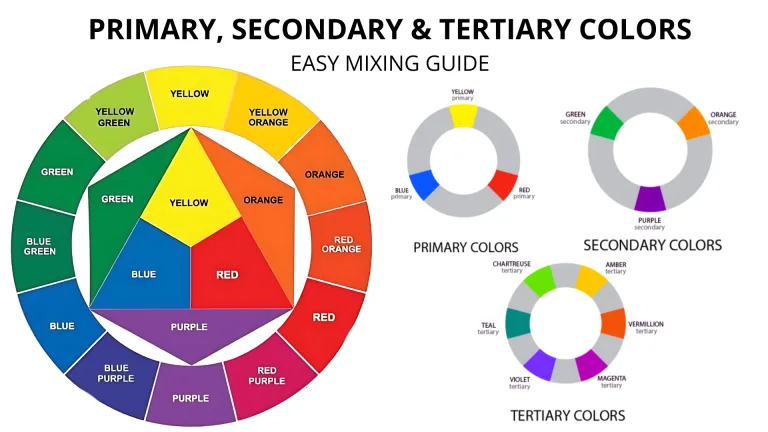
In the RYB color model (used in painting), red and blue are primary colors. When mixed, they should create purple — but the results vary wildly depending on the temperature of your pigments.
Warm colors (those that lean toward yellow) will dull the mix. Cool colors (those that lean toward blue or magenta) are the secret to a clean, vibrant purple.
Best Pigment Combinations to Make Purple:
| Red Paint | Blue Paint | Resulting Purple |
|---|---|---|
| Quinacridone Magenta | Ultramarine Blue | Rich violet (bright, clean) |
| Permanent Rose | Cobalt Blue | Balanced purple (soft, pure) |
| Alizarin Crimson (cool red) | Phthalo Blue (green-biased) | Slightly muted, dark purple |
Use more magenta for pinkish purples, more blue for cool purples.

Avoid These Muddy Mixes:
- Cadmium Red + Ultramarine Blue
- Vermillion + Phthalo Blue
These reds contain warm undertones (yellow or orange), which neutralize the purple and make it brownish.
How to Make These Vibrant Shades of Purple
If basic purple is red + blue, then the fun really starts when you adjust the ratio, add white or black, or introduce other colors like pink or green. Below are 26 custom purple shades — each with a unique personality and simple mixing guide.
How to Make Eggplant
Eggplant is a deep, muted purple with a hint of brown or black. Start with a rich purple base, then slowly mix in a touch of black to deepen the tone. To add warmth, try adding a small dab of red or even burnt sienna. The result is a dark, earthy purple that feels elegant and grounded—perfect for fall palettes or moody interiors.
How to Make Violet
Violet is a pure, bright purple with a cool, blue-leaning tone. Mix two parts blue with one part red (or magenta) for a balanced result. You can adjust by adding a bit more blue to keep it on the cooler side. If the shade looks too dark, soften it with a small amount of white. Violet is often used in floral designs and classic rainbow palettes.
How to Make Dark Purple
To create dark purple, begin with a standard purple mix—equal parts blue and red. Then, add just a small amount of black or dark blue. Be cautious: too much black will make it muddy. A dark purple should still retain richness and depth, often used for dramatic, elegant pieces or night-themed artwork.
How to Make Light Purple
Light purple is simply purple mixed with white. Start with a 50/50 blend of red and blue to create purple, then gradually add white to lighten it. The result is a soft, pastel hue that works beautifully in spring designs or children’s rooms. It may look similar to lavender, depending on how much white you add.
How to Make Indigo
Indigo is a deep blend of blue and violet. Start with a blue base (such as ultramarine) and slowly add purple (or a mix of red and blue). To darken it further, add a tiny amount of black or a deeper blue. Indigo should appear darker than navy but still contain that signature purplish tint.
How to Make Lavender
Lavender is a soft, light purple with a hint of blue. Mix purple with a generous amount of white and a slight touch of blue. The result should be airy and pale, evoking the gentle feel of the flower it’s named after. It’s perfect for calming, romantic color schemes.
How to Make Lilac
Lilac is similar to lavender but slightly more pink. Start with purple and add white, just like with lavender—but this time, include a little red or magenta. It should feel warmer, sweeter, and more romantic—ideal for spring color palettes or vintage tones.
How to Make Mauve
Mauve is a dusty, muted purple with gray or brown undertones. Start with purple and add a touch of yellow or green to neutralize the brightness. Then, soften it with white and a hint of gray. Mauve feels vintage and mature—popular in fashion and floral designs.

How to Make Periwinkle
Periwinkle is a light bluish-purple. Mix more blue than red (about 2:1) and lighten it with white. If it’s leaning too blue, add a tiny amount of red or magenta to balance it out. The final color should feel like a soft, sky-inspired purple with a cool edge.
How to Make Plum
Plum is a warm, red-toned purple. Start with a standard purple mix, then add more red or crimson to warm it up. Add a small amount of black or brown to deepen the shade. Plum should look rich and slightly moody—like a ripe fruit or cozy autumn color.
How to Make Royal Purple
Royal purple is bold, bright, and balanced between red and blue. Mix equal parts red (or magenta) and blue, keeping it strong and saturated. Don’t add white or black—this color should feel luxurious, regal, and glowing. It’s great for high-impact designs or statement elements.
How to Make Midnight Purple
Midnight purple is a deep, blue-leaning purple that feels mysterious. Mix purple with dark blue or navy, then add a tiny bit of black. The result should feel like night sky shadows with a cool purple base. Use it in fantasy art or dramatic backgrounds.
How to Make Pastel Purple
Pastel purple is created by adding a large amount of white to any purple base. Start with a soft purple (equal parts red and blue), then lighten it until it feels creamy and light. This shade is gentle and perfect for Easter, nursery themes, or subtle backgrounds.
How to Make Tyrian Purple
Tyrian purple is a rich, reddish-purple with historical significance. To mix it, start with a warm purple (more red than blue), then darken it slightly with black or brown. The final shade should look like deep wine or dried rose petals—bold, warm, and luxurious.
How to Make Neon Purple
Neon purple is bright, intense, and almost glowing. Use a vivid magenta base and add a touch of blue until it becomes purple. Then lighten it just slightly with white. Avoid black or gray—neon needs brightness. You can also layer this with UV-reactive paint to make it pop under light.
How to Make Blue-Violet
Blue-violet is cooler than regular violet and closer to the blue end of the spectrum. Mix two parts blue with one part magenta or red. If it still looks too purple, add a little more blue. This shade is sharp, clean, and works well in winter or digital palettes.

How to Make Red-Violet
Red-violet is bold and punchy, sitting right between red and purple. Start with a magenta or crimson base, then mix in a little blue to pull it toward purple. This shade keeps the warmth of red but with a cool edge, making it perfect for dramatic florals or vibrant abstract work.
How to Make Fuchsia Purple
Fuchsia purple is bright, electric, and bursting with pink energy. Begin with a hot pink or magenta base, then add a touch of blue—just enough to lean it toward purple. The final color feels playful and bold, great for modern palettes or digital design.
How to Make Pinkish Purple
Pinkish purple is soft and romantic, like a purple with a strong blush. Use mostly magenta, and mix in a little purple to deepen it just slightly. If it gets too dark, lighten it with a dab of white. You’ll end up with a sweet, rosy purple that feels gentle and dreamy.
How to Make Dusty Purple
Dusty purple is subtle and muted, perfect for vintage or neutral palettes. Start with a mid-tone purple, then slowly add a bit of gray or taupe to tone it down. You can also add a tiny amount of brown to bring warmth. The result is soft, faded, and timeless.
How to Make Burnt Purple
Burnt purple is deep and earthy with a warm, smoky feel. Start with a rich purple base. Add some burnt sienna or orange-brown to give it warmth, then mix in just a touch of black to darken the tone. It’s a cozy shade that works beautifully for fall or rustic themes.
How to Make Ice Purple
Ice purple is soft, cool, and nearly white—like a frosty lilac. Begin with lavender, then add white little by little until the color feels pale and wintry. The result is a delicate pastel that feels calm and fresh.
How to Make Iris Purple
Iris purple is bright and floral with a balanced mix of blue and pink. Start with a true purple base. Mix in a bit of lilac to lighten it and bring out the floral softness. The result is a vibrant, garden-inspired purple with a gentle glow.
How to Make Pansy Purple
Pansy purple is rich and warm, with a hint of magenta. Begin with a plum or deep purple base. Add a bit of magenta to bring in warmth and vibrancy. You’ll get a velvety, reddish-purple that feels cozy, floral, and grounded—great for seasonal art or romantic themes.
How to Make Orchid Purple
Orchid purple is bright and pinkish. Start with mostly magenta paint. Add a smaller amount of blue to make it more purple, then mix in a little white to lighten it. You’ll get a cheerful, warm purple that feels fun and fresh.
How to Make Wine Purple
Wine purple is dark, rich, and full of red tones—like the color of deep red grapes. Use a base of burgundy or crimson, then add a bit of purple to deepen it. A tiny touch of black will give it that bold, velvety depth. This shade feels moody and elegant, perfect for dramatic work.

Want to mix the perfect purple? Here’s a complete table of 25 stunning purple shades with their HEX codes, simple paint mixing instructions, and easy RYB ratios for artists and creators.
| Shade Name | HEX Code | How to Make | Ratio (R:Y:B) |
|---|---|---|---|
| Light Purple | #D8B7DD | Purple + White | 1 : 2 : 1 |
| Dark Purple | #301934 | Purple + Touch of Black | 1 : 1 : 2 + black |
| Lavender | #CBAACB | White + Purple + Blue | 2 : 1 : 1 |
| Lilac | #B666D2 | Pink + White + Touch of Blue | 2 : 2 : 1 |
| Mauve | #9966A9 | Purple + Pink + Gray | 1 : 1 : gray tint |
| Plum | #8E4585 | Purple + Red + Black | 2 : 2 : 1 + black |
| Orchid | #DA70D6 | Magenta + Blue + White | 3 : 1 : 1 |
| Periwinkle | #CCCCFF | Light Blue + Purple + White | 2 : 1 : 2 |
| Royal Purple | #7851A9 | Equal Red and Blue + Touch of Black | 2 : 2 : 1 + black |
| Midnight Purple | #2E1A47 | Purple + Black + Blue | 1 : 1 : 2 + black |
| Pastel Purple | #E0BBE4 | Purple + Lots of White | 1 : 4 : 1 |
| Tyrian Purple | #66023C | Crimson + Black + Blue | 3 : 2 : 1 + black |
| Neon Purple | #BF00FF | Magenta + Violet + White (optional) | 3 : 2 : 1 |
| Blue-Violet | #8A2BE2 | Mostly Blue + Some Red | 1 : 1 : 3 |
| Eggplant | #614051 | Purple + Black + Touch of Red or Burnt Sienna | 2 : 1 : 1 + black |
| Red-Violet | #C71585 | Magenta + Blue | 3 : 1 : 1 |
| Fuchsia Purple | #C154C1 | Hot Pink + Touch of Blue | 3 : 1 : 1 |
| Pinkish Purple | #D291BC | Magenta + White + Purple | 2 : 2 : 1 |
| Dusty Purple | #A3989D | Purple + Gray + Tiny Brown | 1 : 1 : 0.5 |
| Burnt Purple | #7E3946 | Purple + Burnt Sienna + Black | 2 : 1 : 1 + black |
| Ice Purple | #EAE6F2 | Lavender + More White | 1 : 3 : 1 |
| Iris Purple | #5A4FCF | Purple + Lilac + White | 2 : 1 : 1 |
| Pansy Purple | #78184A | Plum + Magenta | 2 : 2 : 1 |
| Orchid Purple | #DA70D6 | Magenta + Blue + White | 3 : 1 : 1 |
| Wine Purple | #722F37 | Burgundy + Purple + Black | 2 : 1 : 1 + black |
What Colors Make Purple When Mixed With Other Colors?
Once you’ve made a basic purple, it’s helpful to understand how it changes when mixed with other colors. Some combinations create beautiful tones, while others neutralize or dull the purple. Here’s what happens when you mix purple with common colors like yellow, green, pink, and more.
What Color Does Purple and Yellow Make?
Purple and yellow are opposites on the color wheel. When you mix them, they cancel each other out. The result is usually a dull brown or gray.
If you use equal parts purple and yellow, expect a warm, muted brown. Using more yellow will give you a more earthy tone. This mix is helpful when you want to desaturate your purple or create a neutral shadow.
What Color Does Purple and Green Make?
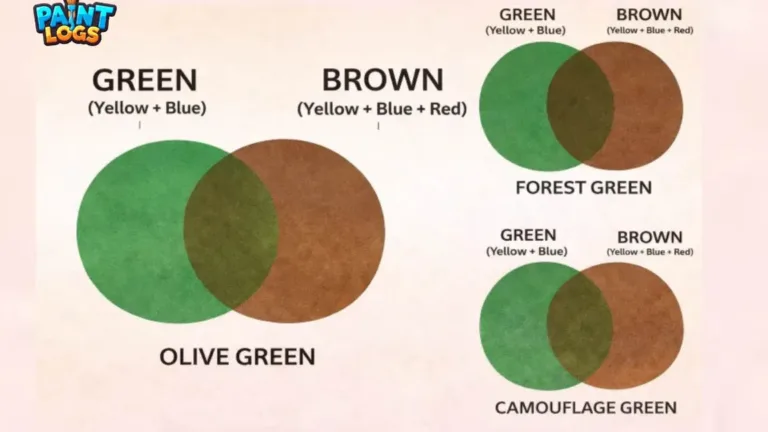
Purple and green usually make a muddy gray or olive tone. That’s because green contains yellow, which neutralizes the red in purple.
This mix works well when you’re painting natural shadows or forest tones. Try using more green than purple if you want an olive result, or more purple for a grayer blend.
What Color Does Purple and Red Make?
Mixing purple and red gives you a warmer, richer purple. It often results in plum, burgundy, or red-violet tones.
Start with two parts purple and one part red for a nice balance. Add more red for a wine-like tone or more purple for a subtle shift. This mix works beautifully in florals, fabric designs, or portrait shadows.
What Color Does Purple and Blue Make?
Purple and blue together make deeper, cooler purples. You can create shades like indigo, blue-violet, or even periwinkle.
Using more blue will lean the mix toward a moody blue-violet, while adding more purple keeps it balanced. This combination is perfect for night skies or cooler-themed art.
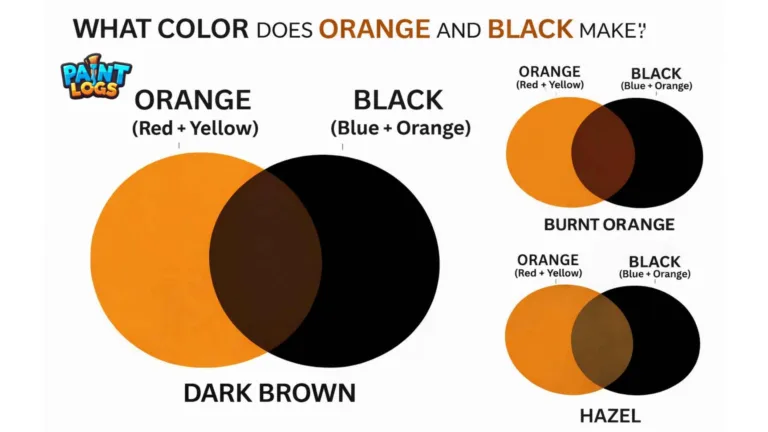
What Color Does Purple and Orange Make?
Orange and purple mixed together will often turn brown. Orange has yellow in it, and yellow cancels out parts of the purple.
If you’re going for a muted or rustic color, this combination can work. Try small amounts of orange to warm up purple without turning it muddy.
What Color Does Purple and Pink Make?
When you mix purple with pink, you’ll get softer, brighter purples. Depending on the ratio, you might see shades like orchid, lilac, or mauve.
Start with two parts pink and one part purple for a light and playful mix. This blend is great for pastels, floral designs, or cake frosting.
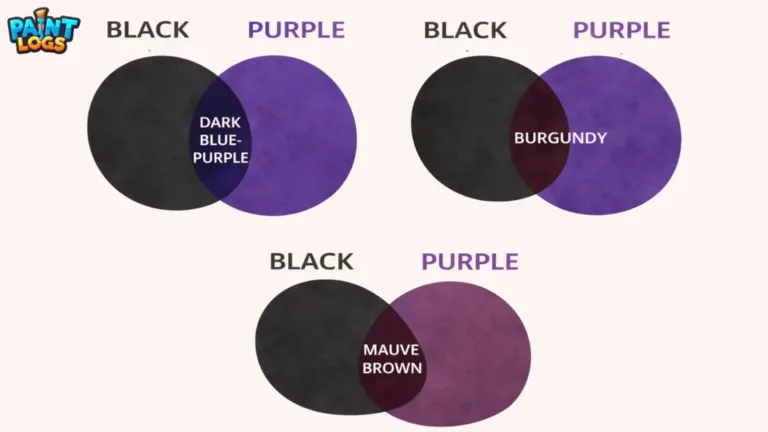
What Color Does Purple and Black Make?
Adding black to purple creates a darker, deeper purple. It often results in shades like eggplant or midnight purple.
Be careful with black—it’s strong. Start with four parts purple and add just a little black at a time. This mix is useful for shadows, outlines, or moody art.
What Color Does Purple and White Make?
Purple and white make lighter purples, also known as tints. Depending on the starting purple, you might create lavender, lilac, or ice purple.
Add white slowly to avoid washing out the purple. This combination is great for pastel art, light highlights, or soft backgrounds.
What Color Does Purple and Brown Make?
When you mix purple with brown, you’ll get a dusty, muted purple. It’s a great mix for vintage tones, earthy palettes, or natural elements.
Use two parts purple and one part brown for a balanced blend. It tones down the purple without making it dull.

How to Make Purple with Food Coloring
To make purple food coloring, start by mixing red and blue food dyes — just like in color theory! A good base ratio is about 15 drops of blue to 5 drops of red. This gives you a classic medium purple.
From there, you can adjust the shade:
- Add more red for a warmer, plum-like purple.
- Add more blue for a cooler, indigo-toned purple.
Mix slowly and test as you go — food coloring can change quickly with just a drop or two! This method works well for frosting, batter, icing, and colorful dessert.

HEX Codes for Purple Colors in Digital Design (Web, Art & UI)
In painting, we use the RYB (red-yellow-blue) model. But digital screens work with additive RGB color, where red and blue light also make magenta-purple. While similar results occur, the mixing process differs depending on whether you’re using light or pigment.
Whether you’re designing a website, editing digital art, or just need consistency between screen and print, knowing the exact HEX codes for purple shades helps maintain visual harmony. Below is a quick-reference list of purple color names with their HEX codes and RGB values.
| Purple Shade | HEX Code | RGB Values | Tone Description |
|---|---|---|---|
| True Purple | #800080 | (128, 0, 128) | Bold and saturated — classic purple |
| Lavender | #E6E6FA | (230, 230, 250) | Very light and airy pastel |
| Plum | #8E4585 | (142, 69, 133) | Deep, pinkish-purple |
| Lilac | #C8A2C8 | (200, 162, 200) | Soft and pinkish lavender |
| Amethyst | #9966CC | (153, 102, 204) | Gemstone-inspired purple with blue tint |
| Orchid | #DA70D6 | (218, 112, 214) | Bright, warm, and slightly pinkish |
| Eggplant | #311432 | (49, 20, 50) | Nearly black with subtle purple |
| Mauve | #E0B0FF | (224, 176, 255) | Pale and romantic pinkish purple |
| Periwinkle | #CCCCFF | (204, 204, 255) | Blue-leaning lavender |
| Grape | #6F2DA8 | (111, 45, 168) | Rich, juicy, and mid-dark purple |
| Wine | #722F37 | (114, 47, 55) | Reddish, vintage purple-red |
| Blue-Violet | #8A2BE2 | (138, 43, 226) | Electric and vivid, close to neon |
You can use these HEX codes directly in Photoshop, Figma, Canva, or CSS styling when designing websites.
Why Your Purple Looks Brown and Muddy?
Mixing red and blue doesn’t guarantee purple—especially if the colors have warm undertones. Warm reds and blues contain yellow, which neutralizes purple. For example, Cadmium Red + Ultramarine (both warm) = dull, muddy mix
Magenta + Cobalt or Phthalo Blue (both cool) = clean, vibrant purple
Quick Fix:
Always mix cool red (like magenta) with cool blue (like cobalt) for a true purple. Avoid warm primaries.
Best Pigments for Vibrant Purple (in Acrylic, Oil, Watercolor)
If your purple mixes always turn out muddy or dull, chances are the pigments are to blame. Choosing the right red and blue paint matters more than you think. Here are the best pigment combos to help you mix a vibrant, true purple—across different mediums.
What Makes a Good Purple?
Purple is a secondary color, made by mixing a red and a blue. But not all reds and blues mix equally. To get a bright, saturated purple, you need:
- A cool red (one that leans toward blue)
- A cool blue (one that leans toward red)
Top Pigments to Use:
| Medium | Cool Red Pigment | Cool Blue Pigment | Resulting Purple Type |
|---|---|---|---|
| Acrylic | Quinacridone Magenta (PR122) | Ultramarine Blue (PB29) | Rich violet-purple |
| Oil | Alizarin Crimson (PR83) | Cobalt Blue (PB28) | Deep, slightly muted purple |
| Watercolor | Permanent Rose (PV19) | French Ultramarine (PB29) | Soft, vivid lavender/purple |
Color Theory Behind Purple: Warm vs Cool, Tints and Shades
To truly master purple, you need more than just knowing which colors to mix. Understanding how purple behaves on the color wheel—and how it changes with tints, shades, and temperature—makes all the difference.
Is Purple a Warm or Cool Color?
Purple sits between red (warm) and blue (cool) on the color wheel. That means it can go either way:
- Cool purples have more blue (like violet, periwinkle, or blue-violet).
- Warm purples lean red (like plum, magenta-purple, or red-violet).
The tone you create depends on the dominant pigment in your mix. Add more magenta or red, and the purple warms up. Add more blue, and it cools down.
What Are Tints, Tones, and Shades of Purple?
- Tint = Purple + White → Soft purples like lilac or ice purple.
- Shade = Purple + Black → Deep tones like eggplant or midnight purple.
- Tone = Purple + Gray or Opposite (Yellow/Brown) → Dusty, muted purples like mauve.
Why Do Some Purples Look “Off”?
The biggest reason is using the wrong temperature of red or blue, or overmixing with complementary colors (like yellow or green). The result is a dull, brownish purple.

Conclusion: What Color to Mix for Purple?
Making purple is more than just red and blue — it’s a creative journey through shades like lavender, plum, violet, and beyond. Whether you’re painting, baking, or designing digitally, the best purple comes from knowing your color temperatures, using the right ratios, and avoiding muddy mixes. From soft pastels to bold jewel tones, purple is a versatile and emotional color that invites experimentation.
Now that you know how to make purple and all its variations, you can confidently control the outcome of your mix — no more guesswork. Start with cool red and blue, tweak with white or black, and explore everything from wine to periwinkle.
FAQs
What colors make purple?
Purple is made by mixing a cool red, like magenta, with a cool blue, like ultramarine or phthalo. The cooler your red and blue, the brighter your purple will be.
Can you make purple without blue?
Not exactly. Blue is essential to true purple. While some reds mixed with black might give a purplish tone, it won’t be a clean or vibrant purple.
Why does my purple paint turn brown?
This usually happens when you’re using warm reds or blues that have yellow undertones. Yellow is the opposite of purple on the color wheel, and it dulls your mix.
What’s the best pigment for purple in acrylics?
The best pigment combo is quinacridone magenta and ultramarine blue. You can also use dioxazine purple for a rich premixed option.
Can I mix purple using food coloring?
Yes. Mix red and blue food coloring, usually with slightly more blue. To get lighter shades, mix it into white frosting or whipped cream.
How do I lighten or darken purple
To lighten purple, add white for softer tints like lavender or lilac. To darken it, use a little black or a touch of green for moodier shades like eggplant.
How do I make purple more blue or more red?
If your purple looks too pink, add more blue. If it feels too icy, add more red. Adjust until you hit the balance you want.
What is the HEX code for purple?
The standard purple HEX is #800080. Variations include lavender at #E6E6FA, plum at #8E4585, and violet at #8F00FF.