
What Color Do Orange and Black Make When Mixed? When orange and black are mixed, the result is usually brown, but the exact shade of brown depends on the balance of orange and black you mix.
Adding black to orange creates a darker, more muted version of the color, turning it into earthy tones like rust, chocolate, or even a deep mahogany. The final shade can range from a lighter, warmer brown to a deep, rich hue, depending on how much black you add.
In this complete color mixing guide, we’ll explore what color orange and black make, how you can adjust the shade by controlling the amounts of each color, and how this combination works in various art forms, from traditional paint to digital design.
Whether you’re mixing paints, working with RGB on screen, or creating a color palette for projects, this guide will help you navigate every variation that orange and black can create.
Let’s dive in and discover the range of colors possible when orange and black come together.
Quick Answer: What Happens When You Mix Orange and Black?
Orange + Black = Brown
When you mix orange and black, the outcome is almost always brown. It may seem like an odd combination, but the reason behind this is simple: adding black to a color like orange creates a darker, muted version of that color. This is a basic principle in color theory—adding black to a color is known as creating a shade.
The resulting brown can be quite versatile. The exact tone of brown depends on how much black is added and what kind of orange you are using. If the orange is more yellow-based, you might get a lighter brown. If the orange is more red-based, the brown might be deeper and richer.

Understanding Color Mixing in Different Mediums: Paint, Lights, and More
Now, let’s break down how the orange and black mix in different mediums like paint, lights, and digital art. Each of these mediums uses colors in different ways, which means the outcome when mixing colors can vary.
What Happens in Paint Mixing?
In paint mixing, we often use the RYB (Red, Yellow, Blue) color model, a subtractive color model. This means that when you mix colors, the light is absorbed (subtracted), and the resulting color is determined by what pigments are combined.
When you mix orange and black in paint, you are essentially darkening the orange, creating various shades of brown. The outcome might be a dark brown, rusty brown, or light brown, depending on the amount of black used. The base color of the orange—whether it’s a yellowish or reddish tone—will also affect the final result.
In general:
- Yellowish Orange + Black = Lighter, softer brown with a slight greenish tint
- Redder Orange + Black = Darker, richer brown that could resemble maroon or chocolate brown
These principles work in traditional painting or acrylics, where orange is often made by mixing red and yellow.
Mixing in Lights: RGB and CMYK
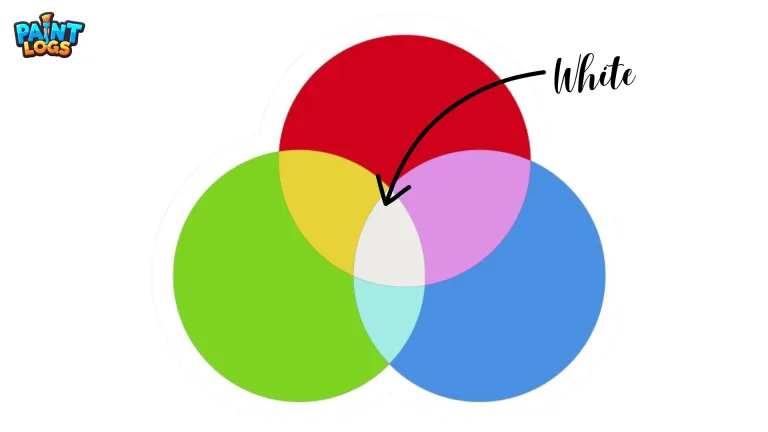
When mixing colors with lights, things are a bit different. Colors in light are mixed using the RGB (Red, Green, Blue) model, which is additive, meaning you add light to get brighter colors. In this model, you can never mix to create black—instead, black is the absence of light.
While mixing orange and black doesn’t apply directly in the RGB model, the same concept of light and dark can be understood through adjusting the brightness and saturation of light-based colors.
In contrast, the CMYK (Cyan, Magenta, Yellow, Key/Black) model used in printing has a closer relationship to the RYB model. This is a subtractive model like paint mixing, and when you mix cyan, magenta, and yellow, you can achieve a range of browns. But remember, black is an important part of CMYK printing, as it deepens and tones the colors.

Why Does Orange and Black Make Brown? Color Theory Explained
So, why does mixing orange and black always result in brown? To understand this fully, we need to dive a little deeper into color theory.
The Role of Shades in Color Mixing
When we say orange and black make brown, we are essentially mixing a shade of orange. Shades are created by adding black to any color. This darkens the color, changing its appearance. In the case of orange, it shifts from a vibrant, warm hue to a more neutral, earthy tone. This is why orange and black always give us some form of brown.
The Color Wheel Breakdown
To further explain, let’s consider the color wheel. The orange family is made from red and yellow, and brown is just a darker version of orange. By adding black, we create a shade of orange. Depending on how much black is added, the brown could be light, medium, or dark.
- Dark brown: Created with a lot of black mixed with reddish orange (like vermilion)
- Medium brown: Achieved with a moderate amount of black and a more yellowish orange
- Light brown: A small amount of black mixed with a pale orange (like peach)
The key takeaway here is that brown is not a distinct color on its own, it’s simply a shade of orange, created by adding black.
| Proportion of Orange and Black | Resulting Shade of Brown | Description |
|---|
| More Orange + A Little Black | Light Brown | A softer, warm brown resembling terracotta or rust. |
| Equal Orange + Equal Black | Medium Brown | A balanced, neutral brown, perfect for a natural look. |
| More Black + A Bit of Orange | Dark Brown | A deeper, rich brown, similar to chocolate or mahogany. |
| Deep Blend: Lots of Black + Some Orange | Rich Chocolate Brown | A very dark, almost black brown, often used for dramatic effects. |

What Types of Brown Can You Make with Orange and Black?
Now that we know orange and black make brown, let’s explore the different shades and types of brown you can create by adjusting the amounts of orange and black.
Variations Based on Pigment Type
The type of orange you start with can make a huge difference in the outcome. If you use a reddish orange, you may end up with a deeper, richer brown. If you use a yellowish orange, the result may be a lighter, more subdued brown.
- Yellowish Orange + Black: Light brown, terracotta tones, or rust colors.
- Reddish Orange + Black: Darker brown, often resembling chocolate, mahogany, or maroon shades.
How to Adjust the Brown Color
If you want to make the brown lighter or darker, you can control how much orange or black you use. Here are some tips:
- Add more black: To create a darker brown, add more black.
- Add more orange: To lighten the brown, add more orange or even a bit of yellow.
If you want to create a more earthy brown, adding a touch of white or yellow can help lighten the shade and give it a more natural tone.
| Adjustment Method | Resulting Effect on Brown | Best Use |
|---|---|---|
| Add More Orange | Lighter, warmer brown (e.g., terracotta or peachy brown) | For earthy tones in art or design. |
| Add More Black | Darker, richer brown (e.g., chocolate or coffee brown) | For dramatic or sophisticated looks. |
| Add Yellow or White | Lighter, muted brown (e.g., beige or sand brown) | Perfect for subtle, soft designs. |
| Add Red | More vibrant brown with maroon undertones | Ideal for deeper, richer tones. |

Mixing Orange and Black in Different Art Forms
Understanding how orange and black mix in different mediums is essential for applying the color theory to your art, whether you’re working with digital designs, traditional paint, or other forms of creativity.
Digital Art (RGB Color Model)
In digital art, colors are created using the RGB (Red, Green, Blue) model, which is additive. This means that colors are made by adding different intensities of red, green, and blue light together. This is very different from traditional paint mixing, where colors are subtracted from the light spectrum.
When mixing orange and black in digital art, the results are a bit different. Since black in the digital world is not a color itself but an absence of light, black will not “mix” with orange in the same way as in traditional painting. However, the effect of darkening the orange can still be achieved in digital art by adjusting the saturation and brightness of the color.
- Orange + Darkened Saturation = Deeper or dull brown shades
- Orange + Reduced Brightness = Softer, more earthy brown tones
In digital illustrations, you can use software like Adobe Photoshop or Illustrator to control the hue, saturation, and lightness (HSL) of colors, effectively creating various brown shades by manipulating orange and black. The key difference here is that you control light rather than pigment, so the process is more about adjusting the color’s brightness or tone instead of mixing physical pigments.
Traditional Art (Paint and Drawing)
When it comes to traditional art, mixing orange and black gives you more flexibility in creating beautiful brown tones. Here, you are working with subtractive color mixing, meaning the colors absorb and reflect light differently depending on the pigments involved.
Artists use oil paints, acrylics, watercolors, or pastels to mix orange and black. With traditional paints, the resulting brown can be fine-tuned by adjusting the pigment ratio, the type of black, and the base orange you choose.
- Warm tones (like cadmium orange) mixed with black create deep, rich browns with a touch of red.
- Cooler tones (like amber orange) mixed with black tend to give off lighter, earthier browns with a slightly greenish undertone.
Tips for Traditional Artists:
- Use a small amount of black: Adding too much black can overpower the orange, leading to muddy or overly dark results.
- Mix in white: To lighten the brown, mix in a bit of white or yellow to achieve more subtle, earthy browns.
For artists, understanding the texture and the opacity of the paint is also crucial, as different paints and pigments mix differently. For example, oil paints blend more smoothly and allow for more control over light and dark transitions, while acrylics dry faster and can have a more matte finish.

Fun Facts and Artistic Uses of Brown (From Orange + Black)
Brown might not be as exciting as some bright, bold colors like blue or red, but it has a unique and versatile place in art and design. Let’s explore how brown plays a role in different artistic and design contexts.
The Emotional and Psychological Effects of Brown
Brown is often seen as a grounding, stable, and reliable color. It’s associated with the earth, nature, and warmth. In design, brown can evoke feelings of comfort, safety, and security. It’s a color that makes people feel relaxed, which is why it’s commonly used in interior design and fashion.
- Warm browns (like those created from orange and black) can make a space feel cozy and inviting.
- Cooler browns, like taupe or chocolate, are often used for more sophisticated, elegant designs.
For designers and artists, brown provides a neutral, versatile backdrop for creating contrast with more vibrant colors.
Brown in Interior Design and Fashion
- Interior Design: Brown is often used in living rooms, offices, and cozy spaces. It pairs well with both earthy tones (like green, beige, and tan) and vibrant accents (such as yellow or turquoise).
- Fashion: In clothing, brown is seen as timeless and elegant. From leather jackets to chocolate boots, brown is a color that adds sophistication to outfits, especially when paired with neutrals or bold colors like orange and blue.
How Artists and Designers Use Brown in Their Work
- In Painting: Many famous artists, including Rembrandt and Van Gogh, used variations of brown to add depth and texture to their paintings. Brown works especially well in landscapes, where earthy tones are common.
- In Graphic Design: Brown is used to evoke a sense of earthiness and stability. It is often used in logos, packaging, and branding for products related to nature, sustainability, or organic goods.
Adjusting the Tone: How to Experiment with Brown
One of the most fun aspects of mixing orange and black is the ability to experiment and adjust the tones to suit your needs. Here are some tips for fine-tuning your brown color mix:
- Darken the Brown: Add more black to make your brown richer and deeper. This is perfect for creating a chocolate or mahogany brown.
- Lighten the Brown: Add more orange (or even a little yellow) to brighten up the brown and make it more vibrant.
- Use White for a Lighter Brown: If you need a lighter brown, try adding white. This can create beige or tan, especially when mixed with a yellowish-orange.
Experimenting with different pigments and adjusting the amount of black and orange you use will give you endless possibilities for creating the perfect brown for your project.
When Should You Use Orange and Black in Design?
Orange and black are incredibly bold colors. When mixed together, they create a variety of brown tones that can work in many design settings. These colors are often used in specific ways, depending on the mood or effect you want to achieve.
Halloween Vibes: How to Use Orange and Black Together
We can’t talk about orange and black without mentioning Halloween. These colors are synonymous with the spooky season and are used in Halloween decorations, costumes, and graphics. The contrast between the bright orange and the dark black is visually striking and evokes feelings of mystery, excitement, and fun.
- Use orange and black for bold, eye-catching designs.
- Combine them with other fall colors like purple, green, and white for a Halloween-themed palette.
Other Design Inspirations
- Interior Design: If you’re using orange and black in a modern or industrial design, balance the bold colors with neutral tones like gray, white, or brown. This creates a sophisticated and stylish look without overwhelming the space.
- Branding: For companies or products looking to stand out, orange and black are great for creating a high-energy or bold brand image. Think about sports teams, automobile brands, or Halloween-themed products.

Conclusion
When you mix orange and black, you create a range of brown shades. The exact result depends on the type of orange and how much black you add. Understanding the basics of color mixing can help you control the outcome and make your artwork, designs, and projects stand out.
Whether you are working in traditional painting, digital art, or graphic design, mastering how to mix these colors opens up endless creative possibilities.
If you’re exploring more color mixes related to orange and black, Paintlogs has plenty of guides to help. See how orange and purple mix or orange and yellow mix to create vibrant or warm shades. Learn how blue and orange or red and orange interact for complementary and striking tones. You can also explore neutralizing combinations like red and grey or brown and white to balance bold colors. These guides will help you understand how to use orange and black creatively in art, design, and décor projects.
FAQs
What shade of brown does orange and black make?
Mixing orange and black typically creates a brown. The shade depends on the type of orange and the amount of black used.
Can you mix other colors with orange and black to create different browns?
Yes! You can add yellow, white, or red to adjust the shade of brown. For example, yellow will create a warmer brown, while red will make the brown deeper.
Is it possible to make orange from black and yellow?
No, mixing black and yellow does not produce orange. Orange is created by mixing red and yellow.
What type of brown is best for a natural look?
A yellowish orange mixed with black will give you a natural, earthy brown. This is great for creating terracotta or rust tones.
Can you create different types of brown using other pigments?
Yes, you can create chocolate brown, mahogany, or light brown by adjusting the types of orange and black you use.
How do I avoid making a muddy brown when mixing orange and black?
To prevent a muddy color, start with a small amount of black and add more gradually. Too much black can overpower the orange.
Why is brown so popular in design?
Brown is a neutral color that symbolizes stability and comfort. It’s versatile and works well with both vibrant and neutral colors.
Is brown always a shade of orange?
Yes, brown is technically a darker shade of orange, created by adding black to the color.
What happens when I mix orange and purple?
Mixing orange and purple will generally result in a brown or grayish tone, depending on the intensity of the colors.
Can you make brown with just orange and blue?
Yes, mixing orange and blue can create brown, especially if the shades of each are deep and muted.
Does brown always look good with orange and black?
Yes, brown created from orange and black is versatile and can be used in various design settings, from modern to vintage looks.
How can I make brown lighter?
Add more orange or yellow to lighten the brown. Alternatively, white can be mixed in for a more pastel brown.