
Have you ever wondered what color you get when orange and green are mixed together? Orange and green make a muddy brown or earthy, olive, beige-gray, or grayish tone when mixed, though it can vary based on the specific shades and ratios of orange and green used. Since both colors contain yellow, mixing them creates a blend that can lean toward earthy, neutral tones. However, the exact shade will depend on whether the green is more blue-toned or yellow-toned, and whether the orange is bright or deep.
In this guide, we’ll explore what happens when orange and green are mixed, how their ratios affect the final result, and how these colors work in different color models like RYB, RGB, and CMYK. Whether you’re mixing paint or working with digital colors, you’ll gain insights into how to achieve the perfect balance for any project.
Quick Answer: What Color Does Orange and Green Make When Mixed?
When you mix orange and green, the resulting color is usually a muddy brown or grayish tone. This is because both orange and green are secondary colors derived from primary colors, and mixing them often leads to a neutral or muted color instead of a bright hue.
The result of mixing orange and green depends on the shades and proportions used:
Light Orange + Pastel Green = softer, beige-gray or light neutral.
Dark Orange + Forest Green = earthy brown or olive tones.
Essentially, mixing these two colors doesn’t create a lively or bright new color but rather an earthy, neutral one.
If you’re curious about how earthy tones are created, this result is closely related to how to make brown color using multiple primary pigments.

Why Do Orange and Green Make This Color?
The reason mixing orange and green results in muted or neutral colors lies in the science of color theory. Both orange and green are secondary colors, made by mixing primary colors.
- Orange: Formed by mixing red and yellow.
- Green: Formed by mixing yellow and blue.
When you mix these two secondary colors, you combine all three primary colors (red, yellow, and blue). This leads to the neutralization of the mix, as the primary colors cancel each other out. The result is typically a brown or gray color because the pigment absorption from all three primary colors essentially creates a neutral tone.
Orange + Green = Red + Yellow + Blue = Neutral Tone (Brown/Gray)
This process is referred to as subtractive mixing, where pigments absorb light and blend in a way that dulls or neutralizes the vibrancy of the individual colors.

What Happens When You Mix Different Shades of Orange and Green?
The final result of mixing orange and green varies significantly depending on the specific shades of the two colors. Lighter or pastel shades will produce softer, more neutral tones, while deeper, more vibrant colors lead to richer, earthier hues.
Here’s a breakdown of some common shade combinations and their resulting colors:
| Orange Shade | Green Shade | Mixed Color Result |
|---|---|---|
| Light Orange | Mint Green | Pale Beige-Gray |
| Deep Orange | Forest Green | Earthy Brown |
| Bright Orange | Emerald Green | Muddy Brown |
| Burnt Orange | Sage Green | Olive Brown |
| Scarlet Orange | Lime Green | Warm Yellowish-Brown |
| Citrus Orange | Lime Green | Bright Yellow-Green |
| Peach Orange | Olive Green | Warm Peach-Brown |
| Citrus Orange | Mint Green | Fresh Greenish Peach |
- Light Orange + Mint Green = Pale Beige-Gray: This combination results in a soft, light neutral, ideal for backgrounds or subtle accents.
- Deep Orange + Forest Green = Earthy Brown/Olive: A richer, earthy tone, often seen in autumn-themed designs or rustic decor.
- Bright Orange + Emerald Green = Muddy Brown: Mixing vibrant orange with a saturated green creates a deeper, more intense brown.
The key takeaway here is that the balance of the shades used influences the intensity of the final color. Lighter shades lead to pastel or muted tones, while deeper hues create more vivid, earthy colors.
Similarly, comparing neutral mixes such as blue and orange helps explain why orange and green often turn muddy instead of vibrant.
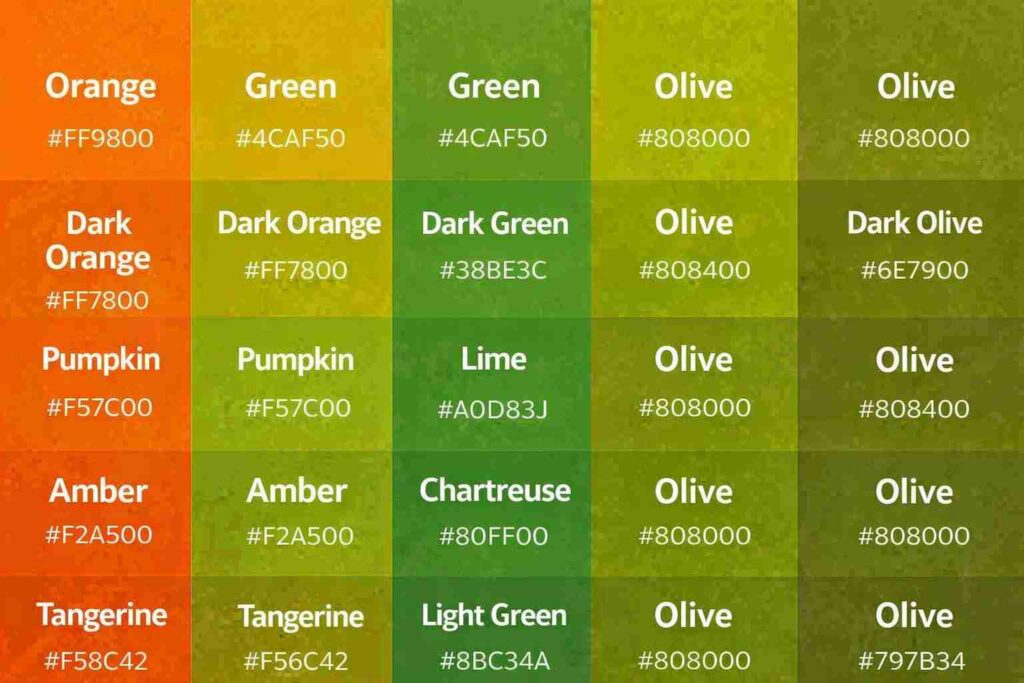
Orange and Green in Paint: RYB (Red, Yellow, Blue) Color Model
In traditional painting, orange and green are part of the RYB (Red, Yellow, Blue) color model. In this model, colors are created by mixing primary colors (red, yellow, blue), and secondary colors like orange and green are made from combinations of these primaries.
When you mix orange and green in paint, the resulting color is usually a neutral tone, like brown or gray. This happens because both colors are made from yellow, and mixing them together brings all three primary colors into the mix, leading to a duller outcome.
Orange + Green = Red + Yellow + Blue = Muddy Brown
In subtractive color mixing (as is the case with paint), pigments absorb light and mix in a way that neutralizes the intensity of the individual colors. If you’re aiming for a more vibrant or unique tone, try experimenting with the ratios of the colors or adding other primary colors.
- More Orange: Use more orange to get warmer tones like rust or burnt sienna.
- More Green: More green will produce cooler tones like olive or sage brown.
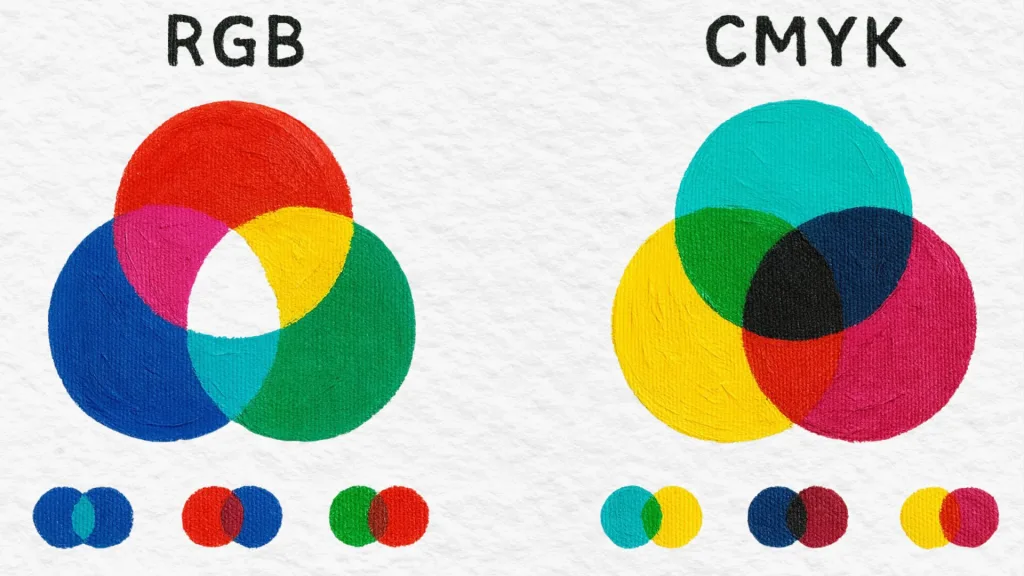
Orange and Green in Digital Media: RGB vs. CMYK
In digital art, mixing orange and green results in different outcomes depending on whether you’re working in the RGB or CMYK color model.
- RGB (Additive Mixing): This model is used for screens, where light is combined to create colors. When you mix orange and green in RGB, you get a washed-out, pale result. This is because light colors blend to create more neutral tones, rather than intensifying each color.
- Orange + Green = Pale or Washed-Out Tone (RGB)
- CMYK (Subtractive Mixing): This model is used for printing. When mixing orange and green in CMYK, the result is a deeper brown or earthy tone. The pigments absorb light and create richer tones.
- Orange + Green = Deep Brown (CMYK)
So, whether you’re creating digital art or printed materials, the way these colors mix will be influenced by the medium you use.
How the Ratio of Orange to Green Affects the Final Color
The ratio of orange to green you use can drastically change the resulting color. Here’s a closer look:
- More Orange: Increasing the orange in the mix results in warmer tones, such as burnt sienna, rust, or reddish-brown.
- More Green: On the other hand, increasing the amount of green will produce cooler, earthier tones like sage brown, olive, or muted grayish green.
More Orange + Green = Warmer Tone
More Green + Orange = Cooler Tone
The balance between these two secondary colors dictates whether the final result feels warm and vibrant or cool and earthy.
Using more orange in the mix creates warmer results, similar to those seen in the mixing of orange and yellow colors. Adding more green pushes the color toward olive or sage tones, comparable to mixes like green and purple color mixing.

Artistic Uses of Orange and Green Together
Orange and green create a dynamic balance between warm and cool tones. They are particularly effective in creating contrast while still maintaining harmony, making them ideal for many artistic applications:
In Art:
- Landscapes: Artists often use orange and green to depict autumn landscapes or botanical scenes. The combination captures the rich earthiness of nature, making the artwork feel grounded and vibrant.
- Portraits: These tones can be used for subtle shadowing or to create natural-looking skin tones. The balance between warm orange and cool green adds realism.
In Fashion:
- Bohemian Looks: Orange and green are frequently used in bohemian-style fashion. Think earthy vintage dresses with green accessories or orange scarves.
- Seasonal Collections: These colors work especially well in autumn and fall fashion. Deep oranges and olive greens are staples for creating seasonal, earthy tones.
- If you are drawn to an earthy color palette, Iron On Patches are the perfect choice for fashion enthusiasts looking to create unique accessories for their outfits. You can customize patches in shades of orange, olive green, and earthy brown, incorporating retro bohemian patterns to capture this unique color aesthetic and evoke a warm and comforting atmosphere with every outfit.
With GSJJ’s custompatches.co.uk offering personalized designs and fast shipping, you won’t have to wait long to turn this beautiful orange-and-green color scheme into a cherished accessory that elevates your style.
In Interior Design:
- Vintage or Rustic Decor: Orange and green can be used together for creating a retro or bohemian-style room. Rustic tones such as olive-green throw pillows paired with burnt-orange rugs are ideal for creating warmth and character in a room.
Orange + Green = Earthy Vibes + Visual Contrast
The ability to mix warm and cool tones makes orange and green an incredibly versatile color pairing in art, fashion, and design. Orange and green are often used in landscapes, autumn artwork, and nature scenes. Artists frequently compare this combination with other earthy mixes like orange and purple or pink and green to control warmth and contrast.

How to Adjust the Mix: Add White, Black, or Yellow
To manipulate the outcome of your orange and green mix, you can add white, black, or yellow to achieve different tones.
- Add White: This will lighten the mixture, creating a pastel or muted neutral. If you want a lighter, softer result, this is a good option.
- Add Black: Adding black deepens the color, making it darker, resulting in tones like charcoal, plum, or deep olive.
- Add Yellow: Adding more yellow can create a yellowish-brown, making the mix lean towards mustard or ochre.
Orange + Green + Yellow = Mustard Tone
Orange + Green + White = Pastel Sage
Orange + Green + Black = Deep Olive/Plum
By adjusting these colors, you can fine-tune your mix to better suit the project you’re working on.
Mixing Orange and Green with Other Colors
Mixing orange and green with other colors can result in different shades and effects. Here are a few common combinations:
- Orange + Green + Yellow: This creates a yellowish-brown or mustard tone. It’s perfect for adding warmth to a color palette.
- Orange + Green + Purple: Mixing orange, green, and purple creates a muted grayish-brown or earthy plum.
- Orange + Green + Blue: This will result in a cooler, greenish-brown tone, great for creating depth in landscapes or abstract art.
- Orange + Green + White: This creates a muted pastel or sage-like color, ideal for soft designs or vintage styles.

Orange and Green Color Mixing Chart (Visual)
Here’s a visual chart to help illustrate how different ratios of orange and green lead to various tones:
| Ratio | Approximate Shade | Hex Code |
|---|---|---|
| 100% Orange | True Orange | #FFA500 |
| 75% Orange + 25% Green | Warm Orange-Green | #9E7F41 |
| 50% Orange + 50% Green | Balanced Brown | #7A6E3C |
| 25% Orange + 75% Green | Olive Green-Brown | #4F6A30 |
| 100% Green | True Green | #008000 |
This color gradient can help you visualize how different orange and green mixes create everything from vibrant orange to deep olive.
Common Issues and How to Fix Them When Mixing Orange and Green
While mixing orange and green, you may encounter some common issues, such as creating a muddy or grayish result. Here’s how to fix them:
- Mix Turns Too Muddy: If the color looks too dull or muddy, it’s likely due to overmixing or using too much of one color. Try adjusting the ratios to balance the tones.
- Using Too Many Colors: Mixing too many colors can neutralize the vibrancy. Stick to small amounts of one or two colors to keep the mix clean.
How to Fix It: Use more of one primary color (either red or yellow) to adjust the balance, and always test the mix before committing to larger areas in your design.
Conclusion
Mixing orange and green often results in earthy tones such as brown, olive, or grayish-green, depending on the mix. The final color can vary significantly depending on the ratio of orange and green, and the specific shades of each color. While the result may not always be vibrant, this combination is perfect for creating subtle, natural tones in your artwork, design, and décor.
Whether you’re using subtractive color mixing for painting or exploring additive mixing in digital media, understanding how orange and green interact allows for greater control in your creative process. With the right balance, you can achieve warm, muted tones perfect for earthy themes, backgrounds, or creating shadows in portraits and landscapes.
FAQs – Orange and Green Color Mixing
What color does green and orange make when mixed?
Mixing orange and green typically results in a muddy brown or grayish tone. The exact outcome depends on the shades and ratio of orange and green used.
Can I make bright colors from orange and green?
Mixing orange and green usually does not result in bright colors. Instead, it creates earthy or muted tones. If you want a more vibrant result, consider adjusting the mix or adding other primary colors.
What happens when I add white to orange and green?
Adding white to the mix will lighten the resulting color, turning it into a muted pastel or light neutral shade, such as a soft sage or pale beige.
Can I use orange and green to create a vibrant tone?
To achieve a vibrant tone, it’s better to combine orange or green with colors like yellow or red, as mixing orange and green alone tends to produce more subdued results.
What colors are good to combine with orange and green in design?
Colors that complement orange and green include brown, cream, yellow, tan, and olive. These tones help balance the warm and cool qualities of the two colors.
How can I use orange and green together in design?
Orange and green work great for earthy, rustic, or vintage designs. They’re ideal for autumn-themed spaces, bohemian styles, or creating depth in botanical or landscape art.
What happens when I mix orange, green, and yellow?
Mixing orange, green, and yellow typically creates a yellowish-brown or mustard tone, perfect for warm, earthy designs.
Why does orange and green make brown?
Orange and green are both secondary colors made from primary colors. Mixing them results in the combination of red, yellow, and blue, which neutralizes the mix, creating brown or gray.
How do I adjust the ratio of orange and green for different effects?
To get a warmer tone, use more orange. To achieve a cooler, earthy tone, add more green. This balance will help create everything from burnt sienna to sage green.
Can I make bright orange or bright green using orange and green?
No, mixing orange and green typically creates neutral tones. To get bright versions of orange or green, you would need to adjust the amounts of primary colors like red or yellow.
What happens if I mix orange and green with purple?
Mixing orange, green, and purple creates a muted grayish-brown or earthy plum, depending on the ratio. This results in a more complex and neutral tone.
Is there a way to prevent the mix from turning muddy when combining orange and green?
To prevent the mix from becoming too muddy, use a limited ratio of the two colors and test small amounts first. Adding more of one primary color (red, yellow, or blue) can help refine the mix and maintain vibrancy.