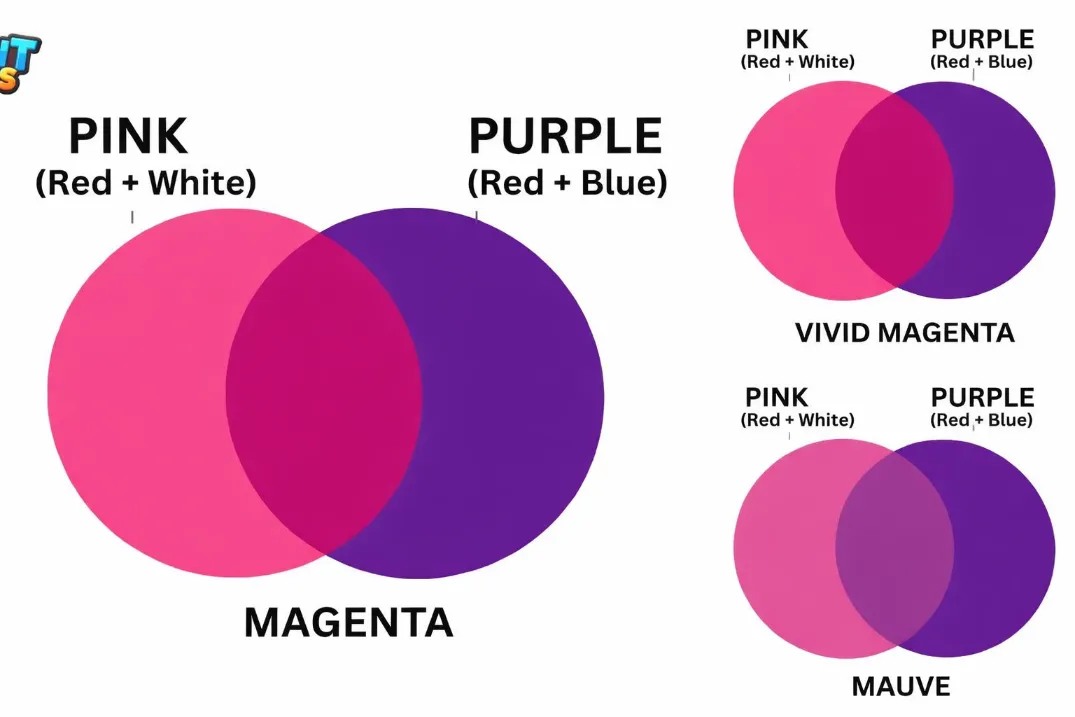
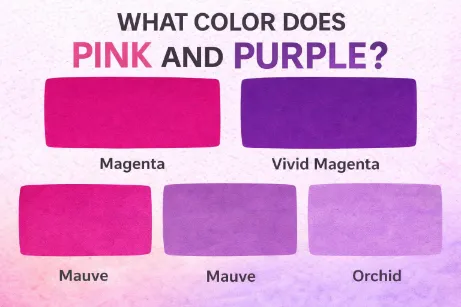
What Color Do Pink and Purple Make? When pink and purple are mixed, the result is a beautiful blend of violet-pink, magenta, fuchsia, or sometimes a softer, more delicate purple such as mauve or lavender. The exact outcome depends on the ratio of pink to purple and the specific shades used. A higher proportion of pink will produce a softer, more pastel-like hue, while a higher proportion of purple will yield a deeper, richer magenta or lavender tone.
If you’re curious about other combinations involving pink, check out what happens when pink and blue are mixed.
In this guide, we’ll explore what color pink and purple make when mixed, including how different color models like RYB, RGB, and CMYK affect the final result. We’ll also dive into the various uses of this vibrant color combination in art, design, and fashion, helping you understand how to mix and manipulate pink and purple for stunning visual effects.
What Color Does Pink and Purple Make When Mixed?
When pink and purple are mixed, they typically create a muted purple or lavender color, depending on the ratios of each. The exact color produced will vary based on the shade of pink and purple used in the mix. A larger proportion of pink results in softer tones like dusty mauve or pastel lavender, while more purple leads to darker and more vibrant purple-pink shades like magenta or fuchsia.
Why Do Pink and Purple Make This Color?
Pink is essentially a light red, and purple is a mix of blue and red. When combined, these colors blend their red components and result in a darker pink or a softer purple. The overall tone will depend on how much pink and purple are used in the mix. To explore how red and purple interact, visit what color red and purple make when mixed.
The blue in purple tends to cool down the mix, while the red in both pink and purple maintains the overall warmth.
What Happens When You Mix Different Shades of Pink and Purple?
The exact outcome when mixing pink and purple can vary significantly depending on the specific shades of each color. When you combine various shades of pink and purple, the result can range from soft pastels like dusty mauve to vibrant shades like fuchsia. To understand how different shades work with other colors, check out what happens when you mix yellow and pink. Below is a breakdown of what happens when various pink and purple shades are combined:
| Pink Shade | Purple Shade | Mixed Color Result |
|---|---|---|
| Light Pink | Lavender | Light Lavender |
| Hot Pink | Violet | Vibrant Purple-Pink |
| Rose Pink | Plum Purple | Dusty Mauve |
| Peach Pink | Deep Purple | Muted Lavender |
| Bubblegum Pink | Royal Purple | Fuchsia |
| Blush Pink | Amethyst Purple | Soft Lavender |
| Neon Pink | Lilac | Bright Magenta |
| Salmon Pink | Purple-Red | Reddish Lavender |
Pink and Purple in Paint: RYB (Red, Yellow, Blue) Color Model
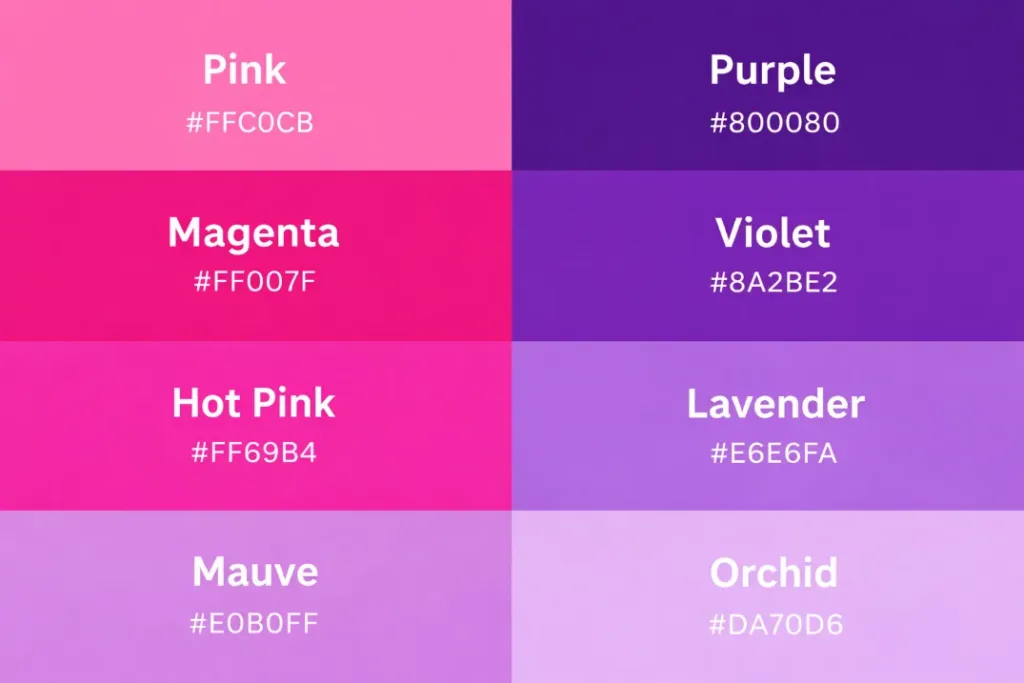
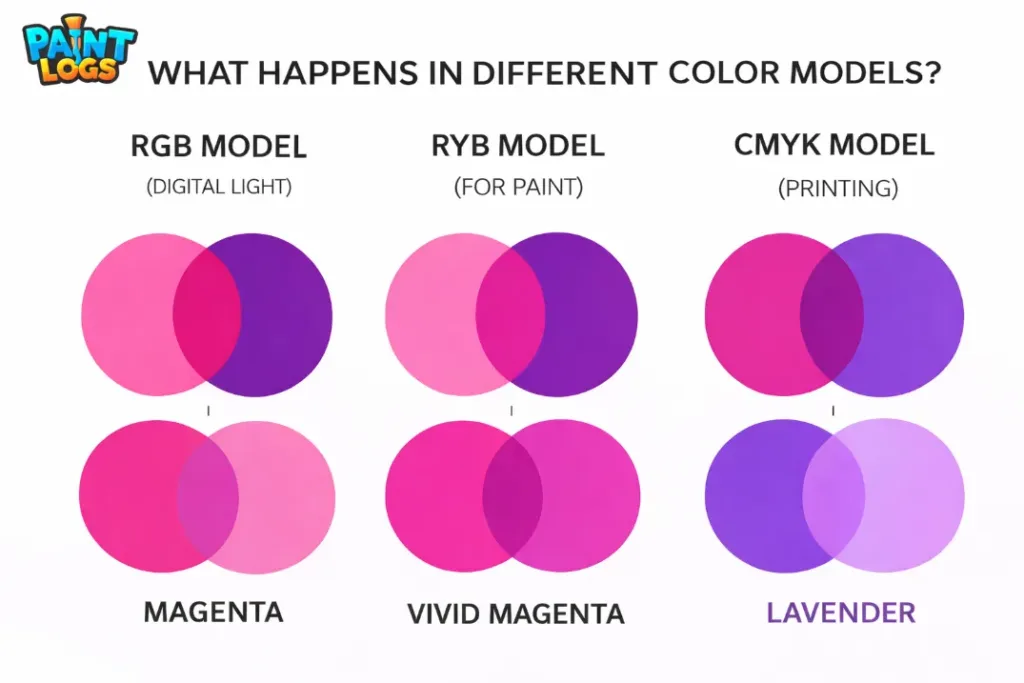
In traditional painting (RYB Color Model), combining pink and purple results in a variety of muted to vibrant tones, depending on the pigments used. Since both pink and purple are made from red (a primary color), their mix tends to stay within the red-purple family, often creating hues like dusty mauve, lavender, or magenta.
- More Pink: A higher proportion of pink results in softer, lighter tones like lavender or dusty rose.
- More Purple: More purple in the mix produces deeper and more intense shades, like fuchsia or rich violet.
Pink and Purple in Digital Media: RGB vs. CMYK
When mixing pink and purple in digital design, the results differ from paint mixing due to the way light (RGB) and ink (CMYK) work.
RGB Model (Additive Mixing):
In digital art, when pink and purple are mixed in the RGB (Red, Green, Blue) model, the result is typically a bright pink or fuchsia. This is because pink already contains a lot of red, and purple has both red and blue, leading to vibrant magenta tones.
CMYK Model (Subtractive Mixing):
In printing (CMYK), the combination of pink and purple results in a more muted and earthy tone, like dusty lavender or violet. In this model, ink absorbs (subtracts) light, so the results are usually less intense compared to the RGB model.
How the Ratio of Pink to Purple Affects the Final Color
The ratio of pink to purple plays a significant role in the final color outcome. For example, more pink results in softer tones like lavender, while more purple leads to darker shades like magenta. To explore other mixtures, see what happens when you mix red and yellow.
| Pink % | Purple % | Mixed Color Result |
|---|---|---|
| 100% Pink | 0% Purple | #FFC0CB (Light Pink) |
| 75% Pink | 25% Purple | #FF77A9 (Soft Lavender) |
| 50% Pink | 50% Purple | #D9A7D2 (Dusty Mauve) |
| 25% Pink | 75% Purple | #B755A0 (Magenta) |
| 0% Pink | 100% Purple | #800080 (True Purple) |
Artistic Uses of Pink and Purple Together
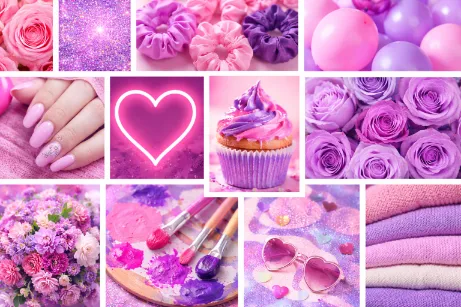
The mix of pink and purple has a wide range of uses in art and design, adding softness, depth, and a romantic vibe. If you’re looking for another great color mix, check out what happens when you mix pink and green.
In Art:
- Abstract Art: Combining pink and purple creates dynamic, vibrant compositions perfect for modern art and abstract expressionism.
- Landscapes: Use lavender or dusty mauve to add depth and mood to sunsets or dusk skies.
- Portraiture: Soft pink and purple tones are used for creating natural shadows or subtle highlights in skin tones.
In Fashion:
- Spring and Summer Fashion: Lavender, dusty mauve, and fuchsia are popular in floral prints, lightweight fabrics, and bohemian outfits.
- Romantic Styles: A combination of pink and purple is often used in wedding dresses, bridesmaid dresses, and formal wear for a soft, feminine touch.
In Interior Design:
- Soft and Serene Rooms: Use lavender and light pink in bedrooms or bathrooms to create a calming, romantic atmosphere.
- Bold and Luxurious: For a more dramatic look, deep purple and rich pink can be combined in living rooms or dining areas for an elegant, royal touch.
How to Adjust the Mix: Add White, Black, or Yellow
You can adjust the mix of pink and purple by adding different colors:
- Add White: This will lighten the mix, creating pastel shades like light lavender or blush pink.
- Add Black: Adding black deepens the color and creates dark lavender, purple-gray, or rich violet.
- Add Yellow: Adding yellow to pink and purple shifts the mix towards a warmer tone, creating muted gold or peach-like shades.
Mixing Pink and Purple with Other Colors
When pink and purple are combined with other colors, they produce a wide range of tones. The ratio and shade of each color influence the outcome, from softer pastels to deeper, richer hues. Here’s how pink and purple interact with different colors:
Pink + Purple + Yellow
Adding yellow to pink and purple creates a warmer tone, shifting the mix towards peachy or golden lavender hues. The yellow helps to balance the coolness of the purple, resulting in a softer, earthier feel. This mix is perfect for creating vintage or romantic effects in designs.
Pink + Purple + Blue
When blue is added to pink and purple, the mix becomes cooler and more subdued. This combination often creates lavender or periwinkle tones. The blue enhances the calming nature of purple while softening the vibrancy of pink, making this mix ideal for relaxing or elegant color schemes.
Pink + Purple + Green
Introducing green to the mix of pink and purple results in more muted, earthy tones. The green balances out the vibrancy, leading to colors like dusty rose or olive lavender. This combination is great for creating natural, bohemian, or earthy designs.
Pink + Purple + Red
When red is mixed with pink and purple, the result is a more vibrant and intense shade, often producing colors like magenta or fuchsia. This combination is perfect for creating bold, energetic designs or statement pieces in fashion or artwork.
Pink + Purple + White
Adding white to pink and purple lightens the mix, resulting in pastel tones like lavender or blush pink. This is perfect for creating soft, delicate color schemes, ideal for nurseries, weddings, or romantic settings.
To see how adding yellow affects color mixing, check out what happens when yellow and green are combined.
Pink + Purple + Brown
When brown is introduced to the mix, it creates earthy, muted tones like dusty lavender or mauve. This is great for a vintage or autumn-inspired look, offering a warm and subdued aesthetic perfect for retro designs.
Pink and Purple Color Mixing Chart
| Pink % | Purple % | Mixed Color Result |
|---|---|---|
| 100% Pink | 0% Purple | #FFC0CB (Light Pink) |
| 75% Pink | 25% Purple | #FF77A9 (Soft Lavender) |
| 50% Pink | 50% Purple | #D9A7D2 (Dusty Mauve) |
| 25% Pink | 75% Purple | #B755A0 (Magenta) |
| 0% Pink | 100% Purple | #800080 (True Purple) |

Conclusion
Mixing pink and purple offers a wide range of possibilities, from soft lavender to bold magenta. The outcome depends on the ratio of pink and purple used, allowing for subtle variations in shade. Whether you’re using traditional paints, digital designs, or working with CMYK for printing, understanding how these colors interact will help you create vibrant, eye-catching results.
This pink and purple combination is perfect for achieving bold statements in fashion, interior design, or art, making it a versatile and essential mix in your creative toolkit. By mastering how pink and purple blend together, you can easily harness their power for any project, adding depth and vibrancy to your work.
Whether you want to create a soft pastel or a vibrant magenta, the key is adjusting the proportions of pink and purple. Want to explore more color mixing results? Check out what happens when you mix red and green.
FAQs – Pink and Purple Color Mixing
What color do pink and purple make when mixed?
Pink and purple typically create a soft lavender, dusty mauve, or vibrant magenta, depending on the mix.
Can I create a vibrant purple-pink from pink and purple?
Yes, by using more purple, you can create a vivid, bright purple-pink like fuchsia or magenta.
How does adding white affect pink and purple?
Adding white will lighten the mixture, creating pastel shades like lavender or blush pink.
Can I make a darker, deeper color with pink and purple?
Yes, adding black will deepen the mix, creating a rich violet or purple-gray.
What colors complement pink and purple in design?
Colors like white, yellow, green, and gold work well with pink and purple in design and fashion.
How do I make a pastel version of pink and purple?
By adding white, you can create a soft pastel version of pink and purple.
Can I mix pink and purple for art projects?
Absolutely! These colors are perfect for abstract art, floral designs, and backgrounds in landscapes.
What is the difference between lavender and magenta?
Lavender is a softer, lighter purple-pink, while magenta is a deeper, more vibrant purple-pink.
What is the best use of pink and purple in fashion?
These colors are great for creating romantic, feminine, and playful looks, especially for spring and summer.
How can I create a more muted color from pink and purple?
Adding yellow or green can tone down the mix, resulting in more earthy or muted tones.
What colors work well with pink and purple in interior design?
White, gold, and neutral tones like gray or beige complement pink and purple for a luxurious or soothing feel.
Can I mix pink and purple to make a dark color for prints?
Yes, adding black will create a dark purple or violet, ideal for printing purpose.