
What Color Do Green and Purple Make When Mixed? When green and purple are mixed, the result is often a neutral, muted tone, think grey, blue-grey, or even brownish-grey. These colors, though distinct on the color wheel, share blue as a common element, which leads to a natural neutralization effect.
Their combination creates a smooth, subdued transition that tends to lean toward cool, earthy shades. The final result depends on the specific hues you use, bright green vs. olive green, or lavender vs. violet, and how much of each is added.
In this complete color mixing guide, we’ll explore what color green and purple make, how to shift the results using other colors like white or black, and how this combination works in both traditional paint and digital design
. Whether you’re mixing acrylics, experimenting with RGB on screen, or creating a color palette for art or decor, this guide will help you understand every variation green and purple can produce.
Let’s dive in and explore the unique shades possible when green and purple come together.
Quick Answer: What Happens When You Mix Green and Purple?
Green + Purple = Dark grey, Blue-grey, or Brownish-grey
Mixing green and purple typically results in a neutral tone such as dark grey, blue-grey, or brownish-grey. The exact color depends on the ratio of green to purple and the shades used. Since green is made from yellow and blue, and purple is made from blue and red, you are essentially combining all three primary colors — red, yellow, and blue. This leads to the natural neutralization of colors, producing shades like grey or brown.
Scientific Explanation (Color Theory)
- Green is made from blue and yellow.
- Purple is made from blue and red.
- When mixed together, green and purple combine all three primary colors (blue, yellow, and red), resulting in neutral colors like grey or brown.
| Component Color | Mix Outcome | Result |
|---|---|---|
| Green (Blue + Yellow) | Purple (Blue + Red) | Blue + Yellow + Red = Neutral (Grey/Brown/Blue-Grey) |
The mixture often leans towards a more blue-grey or brown-grey tone, depending on the exact shades and the amount of each color used.

Why Does Green and Purple Make These Colors?
Understanding the Neutralization Process:
When you mix green and purple, both containing blue as a common element, the combination of all three primary colors results in a neutralization effect, which leads to the formation of grey or brown. The presence of yellow and red in the mix contributes warmth, making the overall result lean towards more muted, earthy tones.
- Blue: Both green and purple contain blue, which dominates the final mix and gives the resulting color a cool, greyish feel.
- Yellow: Green’s yellow adds warmth to the mixture, often pushing the resulting color toward a brownish-grey or olive-like tone.
- Red: Purple’s red can contribute to a deeper, warmer tone, giving the final color a more earthy or olive look.
| Primary Colors | Green | Purple | Resulting Mix |
|---|---|---|---|
| Blue | Yes | Yes | Blue dominates, resulting in blue-grey tones |
| Yellow | Yes | No | Adds warmth, potentially contributing to brownish tones |
| Red | No | Yes | Adds warmth, contributing to darker, muted colors |
Since all primary colors are involved, the resulting color tends to neutralize, creating earthy, muted tones that are perfect for certain design and artistic applications.
What Colors Do You Get When Mixing Different Shades of Green and Purple?
The shade of both green and purple you use significantly influences the final color outcome. Lighter shades tend to create softer or pastel versions, while darker shades generate deeper, more muted tones. Below is a detailed breakdown of different combinations based on specific pigments of green and purple:
| Green Shade | Purple Shade | Mixed Color | Description |
|---|---|---|---|
| Light Green | Light Purple | Dusty Grey-Blue | A soft, pastel grey-blue with light undertones, ideal for calming designs. |
| Dark Green | Dark Purple | Deep Earthy Grey | A muted, earthy grey, often leaning toward brown, great for grounding compositions. |
| Bright Green | Bright Purple | Strong Blue-Grey | A cool, vibrant blue-grey with an intense blue hue, perfect for modern and edgy looks. |
| Olive Green | Violet | Murky Olive-Slate | A dull, olive tone mixed with slate, adding an organic, nature-inspired touch. |
| Forest Green | Lavender | Pale Slate | A more muted, natural grey with slight lavender undertones, giving an elegant, refined finish. |
These mixes highlight how green and purple can create a variety of tones depending on the exact shades and pigment choices used. Lighter combinations often lead to more subdued, pastel results, while darker greens and purples produce deeper, more complex shades.

What Happens When You Add White or Black to Green and Purple Mix?
Adding white or black can significantly change the result of the green and purple mix, allowing you to control the lightness or darkness of the final color.
Creating Tints (Lightening the Color):
- White: When white is added, it lightens the mix, creating pastel versions of the greyish color, like grey-blue or dusty lavender. This can soften the tone and make it more suitable for delicate or airy designs.
Creating Shades (Darkening the Color):
- Black: Adding black to the mix deepens the color, resulting in darker shades such as charcoal slate or blackish green. These darker tones can be perfect for dramatic, moody designs.
| Green + Purple Mix | Added Color | Resulting Color | Description |
|---|---|---|---|
| Green + Purple | White | Light Grey-Blue | A soft, pastel shade, perfect for subtle designs. |
| Green + Purple | Black | Charcoal Slate | A deep, dark grey with muted purple undertones, ideal for dramatic effects. |
By experimenting with these adjustments, you can achieve a broad range of colors, from light and airy to bold and sophisticated.

Mixing Green and Purple in Paint
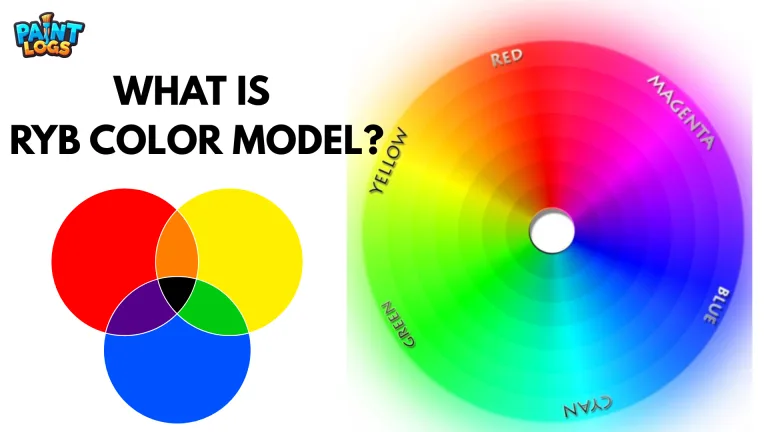
In traditional painting, the RYB (Red, Yellow, Blue) color model is typically used. When you mix green and purple in paint, the result is often a muted, earthy color, leaning toward grey, brown, or blue-grey. The final color depends on the specific pigments used and the proportion of green and purple.
Type of Green and Purple Used
The pigments used for green and purple can influence the outcome significantly. For example, a Cadmium Green mixed with Violet results in a blue-grey, while mixing Olive Green with Lavender will create a warmer brown-grey.
| Green Shade | Purple Shade | Resulting Paint Color | Description |
|---|---|---|---|
| Cadmium Green | Violet | Blue-Grey | A cool blue-grey with muted tones. |
| Olive Green | Lavender | Warm Brownish-Grey | A neutral, earthy tone ideal for natural compositions. |
In traditional painting, it’s important to remember that the exact combination of pigments can affect the results, so testing the mix on a scrap surface is always advisable before applying it to your final piece.
Mixing Green and Purple in Digital Art (RGB Model)
When working in digital media (using the RGB color model), the results of mixing green and purple can vary depending on the brightness and saturation of each color. The RGB model works by adding light, and since both colors have a blue component, the result typically leans toward blue-grey or slate.
RGB Color Values for Green and Purple Mix:
In digital design, green and purple have specific RGB color values. By adjusting the saturation and brightness, you can shift the outcome slightly towards blue-grey, slate, or muted purple.
| Green (RGB) | Purple (RGB) | Mixed Color | Description |
|---|---|---|---|
| #00FF00 | #800080 | Blue-Grey | A cool, bright mix that leans toward blue-grey. |
| #006400 | #8A2BE2 | Muted Slate | Subdued, dark blue-grey with a slight purple tint. |
The RGB model allows for more vibrant results compared to traditional paint, where the saturation of the two colors directly influences the intensity of the final hue.

Mixing Green and Purple in Printing (CMYK Model)
In printing, the CMYK color model (Cyan, Magenta, Yellow, Black) is typically used. In this model, green is made from a combination of cyan and yellow, while purple is made from magenta and blue. Mixing green and purple in printing tends to create darker, more neutral tones, often leaning toward blackish or blue-grey hues.
| Green (CMYK) | Purple (CMYK) | Mixed Color | Description |
|---|---|---|---|
| Cyan + Yellow | Magenta + Blue | Blackish Slate | A dark, slightly bluish black tone, often used for prints. |
| Green | Violet | Dark Slate Grey | A deeper slate grey with muted purple tones. |
In printing, the neutralizing effect of combining cyan, magenta, and yellow produces deep, neutral tones, making it ideal for professional designs where muted, sophisticated colors are needed.
Creative Uses of Green and Purple Mix
While green and purple may not always create the most vibrant hues when mixed, their resulting neutral tones can be extremely useful in art, design, and interiors. Here’s how you can use them creatively:
Art:
The greyish tones that result from mixing green and purple are excellent for backgrounds, abstract art, or minimalist compositions. These muted colors can be used to add depth to paintings or serve as a subtle base for brighter colors to stand out.
For example, a dark grey-purple mixture can be used in portrait painting to add shadows or depth to the subject, while a light grey-blue can be used to depict cloudy skies or water in landscapes.
Interior Design:
In interior design, the earthy or slate tones resulting from this mix are great for modern or contemporary spaces. Use these muted colors in accent walls, furniture, or decor to create a sophisticated, balanced atmosphere. Slate grey and charcoal purple work particularly well when paired with neutrals like white, beige, or black.
- Example: A living room with slate-grey walls and purple accents creates a stylish, calming environment, perfect for modern home decor.
Fashion Design:
In fashion, a mix of green and purple can create an elegant and earthy look. Dark grey-purple tones are perfect for formal wear, especially in the colder months. This mix works well in fall collections, where muted, sophisticated colors add depth and richness to the designs.
- Example: A charcoal slate blazer paired with a purple scarf can add both depth and elegance to a formal outfit.

Conclusion
While mixing green and purple may not yield the bright and bold hues you might expect, it certainly has its place in the world of design and art. The resulting colors — grey, blue-grey, or brown-grey — are perfect for creating subtle, sophisticated, and earthy tones.
Whether you’re looking to create a background in art, sophisticated interiors, or elegant fashion, the muted shades of green and purple can provide the perfect base. By experimenting with different pigments, saturation levels, and mediums, you can unlock a broad range of creative possibilities.
If you’re interested in exploring more green and purple color combinations, Paintlogs offers several helpful guides. Learn how green and black mix to create deeper shades, or see the softer results of green and gray mixed. You can also explore how green behaves with other colors, such as pink and green mixed, yellow and green mixed, and blue and green mixed. For purple-based blends, check out purple and white mixed, orange and purple mixed, red and purple mixed, or blue and purple mixed to better understand how purple shifts across different color pairings.
FAQs
What color does green and purple make when mixed?
Green and purple typically create grey, blue-grey, or brownish-grey tones.
Why do green and purple make a greyish color?
Both green and purple contain primary colors (blue, red, yellow), which neutralize into a grey or brownish tone.
Can green and purple create vibrant colors?
Generally, they produce muted tones, but with specific pigments, you may achieve blue-grey or slate.
How does the RYB model affect the mix of green and purple?
In RYB, green and purple mix to create grey due to the combination of blue in both colors.
How does the RGB model affect the mix of green and purple?
In RGB, the mix results in a blue-grey tone because both colors contain blue.
What happens when I add white to green and purple?
Adding white creates a lighter grey-blue or pastel slate color.
Can green and purple make a brownish color?
Yes, if the mixture has more yellow and red, it can turn into a brownish-grey.
What are the artistic uses of green and purple mixed tones?
These tones are great for backgrounds, abstract art, and creating depth in designs.
What happens when you add black to green and purple?
Adding black darkens the mix, resulting in deeper slate grey or charcoal tones.
What are the best complementary colors for green and purple?
Green pairs well with red, while purple pairs with yellow, creating vibrant contrasts.
Can I mix green and purple to create a darker color?
Yes, adding black or brown can darken the mix into slate or charcoal tones.
What is the significance of the colors produced by mixing green and purple?
Grey and blue-grey tones can symbolize calm, sophistication, or mystery, making them ideal for minimalist designs.